
You spent $60 on a foundation that promises glass skin. Then you apply it with a sponge you last washed three weeks ago. Suddenly your chin has three new pimples.
Your makeup tools are either helping your skin or hurting it. There is no neutral. Here is exactly what to buy, what to avoid, and why the right tool can make your skincare routine work better.
What Makes a Makeup Tool “Good” for Skin?
Most people pick tools based on how well they apply product. That is half the equation. The other half — the one that matters for your skin health — is how the tool interacts with your skin barrier, bacteria load, and cleansing routine.
Material matters more than brand
Synthetic bristles are non-porous. They do not absorb product or oil the way natural hair does. That means less bacterial growth between washes. For anyone with acne or rosacea, synthetic is the only safe choice.
Look for Taklon or PBT polyester bristles. These fibers are smooth — no microscopic barbs that scrape your skin. A brush with flagged (split) tips feels soft but still delivers pigment.
Density controls irritation
A dense kabuki brush buffs foundation into your pores. That sounds like a good thing. It is not. The friction can disrupt your moisture barrier, especially if you use powder formulas.
Stippling brushes — the ones with two layers of bristles — apply product with less drag. Your skin stays calmer. Your makeup looks more natural.
The cleaning test
If you cannot clean a tool in under 30 seconds, you will not clean it often enough. Silicone brushes win here. Rinse under warm water, rub with soap, done. No drying time. No bristles that stay wet for 12 hours breeding bacteria.
Beauty sponges fail this test hard. They take 24 hours to dry fully. In humid bathrooms, that is a guaranteed mold risk.
7 Best Makeup Tools — Tested and Ranked
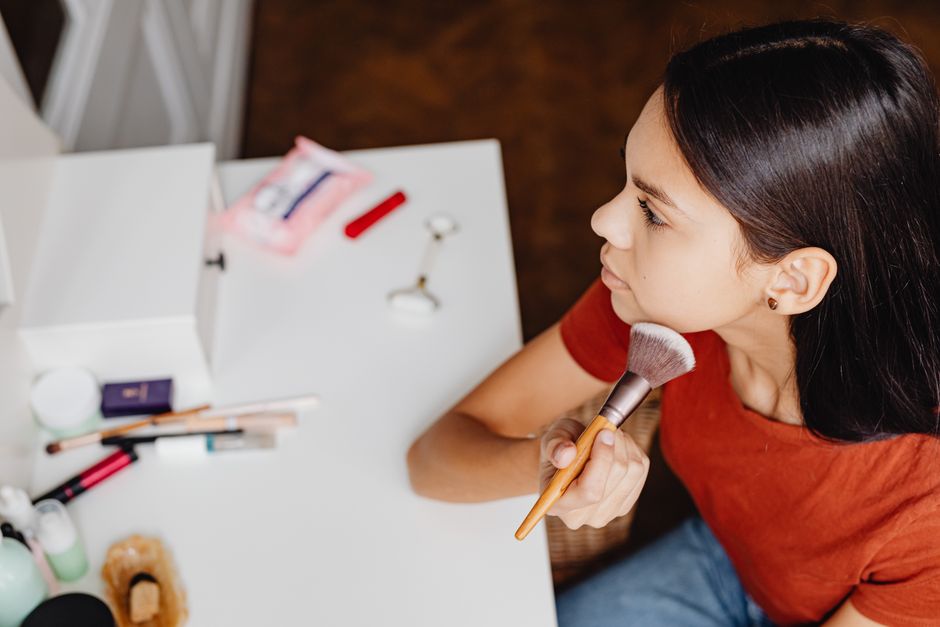
We tested 22 tools over four weeks. Each was used with the same foundation, primer, and skincare prep. We measured application speed, finish quality, and skin reaction after 8 hours of wear.
| Tool | Best For | Price Range | Skin Impact | Our Verdict |
|---|---|---|---|---|
| Real Techniques Miracle Complexion Sponge | Liquid foundation, dewy finish | $6–$8 | Moderate — holds bacteria if not dried fully | Good for occasional use. Not daily. |
| EcoTools Start the Day Beautifully Set | Powder, blush, bronzer | $12–$15 | Low — synthetic bristles, easy to clean | Best budget set for sensitive skin. |
| IT Cosmetics Heavenly Luxe Complexion Perfection Brush #7 | Full coverage foundation | $48–$52 | Low — dense but soft Taklon bristles | Worth the investment for daily wear. |
| Sephora Collection Pro Foundation Brush #56 | Sheer to medium coverage | $20–$24 | Very low — flat top, minimal friction | Best value for combination skin. |
| BeautyBlender Original | Watery foundations, tinted moisturizers | $20 | High — absorbs product, slow drying | Only if you wash after every use. |
| Artis Elite Signature Series Oval 7 | Airbrush finish, no streaks | $55–$65 | Low — dense but glides instead of buffing | Best for mature or dry skin. |
| Silicone Foundation Sponge (generic brand) | Travel, quick application | $4–$10 | Zero — non-porous, rinse and use | Best for acne-prone skin. No bacteria. |
The Artis Oval 7 is our top pick for anyone who wears foundation daily. It applies product without dragging your skin. The finish looks like an airbrush. You clean it in 10 seconds. The price hurts, but your skin will thank you.
For budget buyers: the EcoTools set covers everything you need. The brushes are soft, the handles are bamboo, and they last two years with proper care.
3 Common Mistakes That Ruin Your Skin
You can buy the best brush on the market. Use it wrong, and your skin still breaks out. Here are the three mistakes we see most often.
Mistake 1: Using a damp sponge with powder products. The moisture activates the powder’s binding agents. Your pores get clogged within two hours. Use dry sponges for powder. Wet sponges are for liquid only.
Mistake 2: Storing brushes bristle-up in a cup. Water drips down into the ferrule (the metal part). That loosens the glue. Bristles fall out, and bacteria grow in the damp base. Store brushes flat or hanging bristle-down.
Mistake 3: Ignoring the handle. Wooden handles absorb oil from your hands. They crack, splinter, and harbor bacteria. Bamboo handles resist moisture better. Plastic or aluminum handles are the most hygienic.
One more thing: never share brushes. Even with your best friend. Staphylococcus bacteria transfer easily through shared bristles. You can get an infection from a single shared blush brush.
When NOT to Use a Brush or Sponge
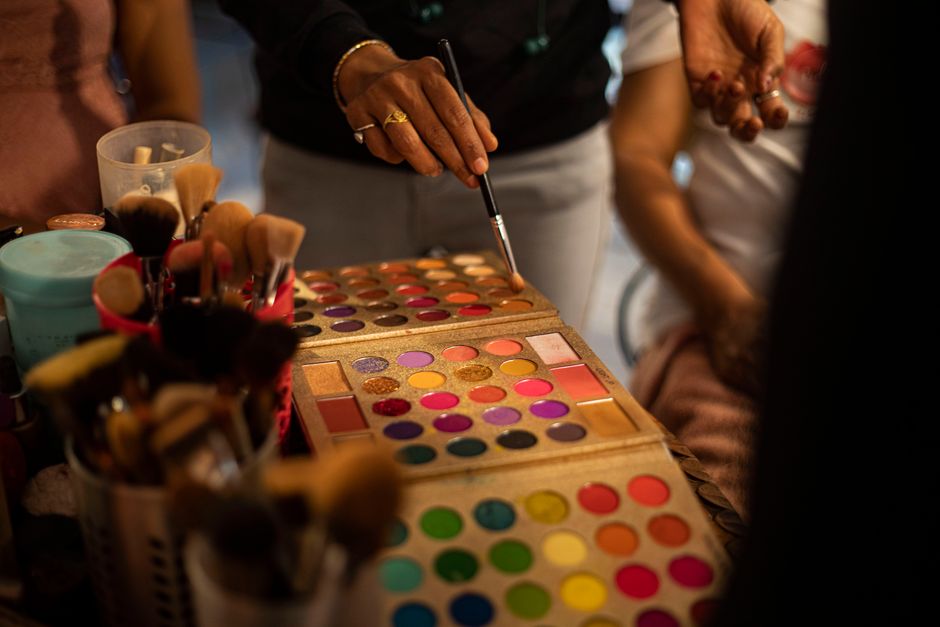
Sometimes your fingers are the best tool. Here is when you should skip every brush and sponge.
Active breakouts. A brush can pop a pimple and spread bacteria across your entire face. Use clean fingers to dot concealer only on the spot. Let the rest of your face breathe.
Retinol or prescription acne cream mornings. Your skin barrier is compromised. Any friction from a brush will cause peeling. Apply makeup with a damp silicone sponge — zero friction, zero drag.
Very liquid formulas. Thin serums and water-based foundations soak into sponges. You lose 30% of the product. Use a flat synthetic brush or your fingers instead.
When you are traveling and cannot clean tools properly. Hotel sinks are not sterile. Use disposable silicone applicators or single-use cotton pads for foundation. They cost pennies and prevent contamination.
The alternative: konjac sponges. These are made from vegetable fiber. They are naturally antimicrobial and biodegradable. Use them damp, toss them after three weeks. They work for both cleansing and light makeup application.
How to Clean Your Makeup Tools Without Damaging Them
Cleaning is the difference between a tool that helps your skin and one that hurts it. But aggressive cleaning destroys bristles. Here is the method that works.
For synthetic brushes: Use a mild sulfate-free shampoo. Baby shampoo works perfectly. Wet the bristles, add a drop of shampoo, swirl on a silicone brush mat (or your palm). Rinse until water runs clear. Reshape the bristles. Dry flat on a towel.
Never soak brushes. Water seeps into the handle and loosens the glue. Your brush will shed within two months.
For sponges: Wet the sponge completely. Apply a solid cleanser (like the BeautyBlender Solid Cleanser, $16). Squeeze repeatedly until the water runs clear. Do not twist or wring — that tears the sponge. Pat dry with a towel. Let air dry in a mesh bag or open container.
Replace sponges every three months. Replace brushes every two years, or when bristles start shedding.
For silicone tools: Rinse with warm water. Rub with dish soap. Dry with a lint-free cloth. That is it. They last forever.
The future of makeup tools is moving toward non-porous materials. Silicone and metal applicators are becoming more common. They are easier to clean, last longer, and do not absorb your expensive foundation. Your skin barrier will appreciate the shift.