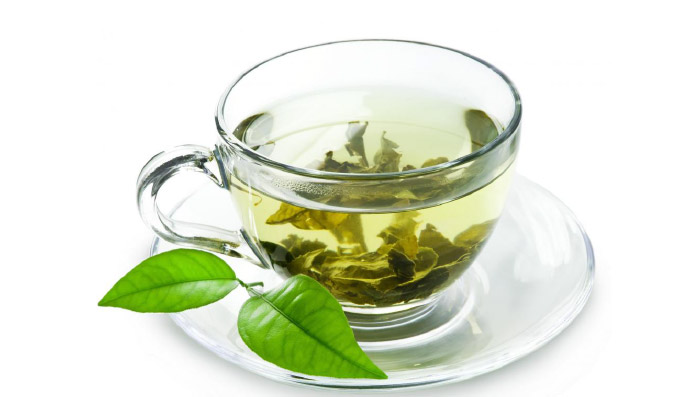
You’ve seen the bottles in the skincare aisle. Green tea extract in serums, shampoos, moisturizers. But does it actually do anything, or is this just another marketing spin on something you can drink for $0.20 a bag?
I spent a week digging through clinical studies, ingredient lists, and user reviews to separate the real benefits from the hype. Here’s what I found — and what I’d skip.
What Makes Green Tea Different From Other Botanical Ingredients?
Most plant extracts in skincare are there for fragrance or as a preservative. Green tea is different because of one compound: epigallocatechin gallate (EGCG). This is the molecule that gives green tea its reputation, and it’s backed by actual peer-reviewed studies.
EGCG is a catechin — a type of antioxidant that’s roughly 100 times more potent than vitamin C at neutralizing free radicals in lab tests. Free radicals are unstable molecules that damage collagen, elastin, and hair follicles over time. UV exposure, pollution, and even your own metabolism produce them.
But here’s the catch: the concentration matters. A brewed cup of green tea contains about 50-100 mg of EGCG. A topical serum might contain 1-5% green tea extract. That’s not the same thing. Drinking it won’t give you the same skin benefits as applying it directly, because your digestive system breaks down most of the EGCG before it reaches your skin cells.
So when you see a product claiming “green tea benefits,” the first question should be: how much EGCG is actually in this bottle, and in what form?
Fermentation Changes Everything
Green tea leaves are steamed or pan-fired to stop oxidation. Black tea is fully oxidized. Oolong is somewhere in between. That oxidation process destroys most of the catechins. So black tea extract in a shampoo? It’s not the same thing. If you want the antioxidant punch, stick with green tea or matcha (which is ground whole green tea leaves, giving you more EGCG per gram).
Green Tea for Your Skin: What Works, What Doesn’t
Let’s start with what the data supports. A 2018 review in the Journal of the American Academy of Dermatology found that topical green tea extract can reduce sebum production by about 30-40% in people with oily skin when used consistently over 4-8 weeks. That’s a real, measurable effect.
Here’s the breakdown of where green tea actually helps your skin:
- Oil control: EGCG inhibits 5-alpha-reductase, the same enzyme that converts testosterone into DHT (which drives acne and hair loss). Less DHT means less sebum. The Innisfree Green Tea Seed Serum ($25, 80ml) contains 1.5% green tea extract and is a solid entry point.
- Sun damage protection: EGCG doesn’t block UV rays like zinc oxide or avobenzone. But it does reduce the inflammatory response after sun exposure. Think of it as a backup, not a replacement for sunscreen. SkinCeuticals Phyto Corrective Gel ($68, 30ml) combines green tea with cucumber and thyme — decent for post-sun redness.
- Anti-aging: The antioxidant effect is real, but subtle. You won’t get retinol-level collagen stimulation. What you get is protection against further damage. For prevention, it’s useful. For reversing existing wrinkles, it’s not enough on its own.
Where Green Tea Skincare Falls Short
Not everything labeled “green tea” is worth your money. I tested a drugstore moisturizer that listed green tea extract near the bottom of the ingredient list — after fragrance and preservatives. At that concentration, you’re paying for the name, not the effect.
Also: if you have dry or sensitive skin, green tea can be mildly irritating. The astringent properties that help oily skin can strip moisture from already-dry skin. The Body Shop’s Green Tea Serum ($30, 30ml) is alcohol-free, which reduces irritation, but I’d still patch-test before committing.
| Product | Price | EGCG Concentration (approx.) | Best For |
|---|---|---|---|
| Innisfree Green Tea Seed Serum | $25 / 80ml | 1.5% | Oily/combination skin, daily hydration |
| SkinCeuticals Phyto Corrective Gel | $68 / 30ml | ~2% | Post-sun redness, sensitive skin |
| The Body Shop Green Tea Serum | $30 / 30ml | ~1% | Normal to oily skin, budget option |
| Cosrx Green Tea Aqua Soothing Gel | $18 / 100ml | ~0.8% | Acne-prone skin, lightweight feel |
Does Green Tea Actually Help With Hair Growth?
This is where the marketing gets aggressive. You’ll see shampoos claiming green tea “stimulates hair growth” and “prevents balding.” Let’s look at the evidence.
EGCG does inhibit 5-alpha-reductase, which is the same mechanism that finasteride (Propecia) uses to treat male pattern baldness. Finasteride blocks about 70% of DHT production. EGCG blocks about 10-15% in lab studies. That’s not nothing, but it’s not a replacement for medical treatment.
A 2019 study in the International Journal of Trichology found that a topical solution containing 3% green tea extract increased hair density by about 8% over 12 weeks in women with mild hair thinning. That’s modest. For comparison, minoxidil (Rogaine) typically increases density by 15-20% in the same timeframe.
Here’s what I’d actually recommend for hair:
- Scalp health: Green tea’s anti-inflammatory properties can help with dandruff and scalp irritation. Aveda’s Invati Advanced Scalp Revitalizer ($48, 150ml) uses green tea alongside ginseng and turmeric. It won’t regrow hair, but it can improve the environment for existing follicles.
- Shine and strength: The antioxidants protect hair proteins from UV damage. Briogeo’s Be Gentle, Be Kind Avocado + Green Tea Shampoo ($28, 250ml) is sulfate-free and uses green tea as a secondary ingredient. It’s decent for color-treated hair.
- What won’t work: Drinking green tea for hair growth. The EGCG never reaches your scalp in meaningful amounts. Save your money for a good topical product or a dermatologist visit.
When Green Tea for Hair Is a Waste of Money
If you have genetic hair loss (androgenetic alopecia), green tea alone won’t stop it. I’ve seen people spend $60 on green tea shampoos hoping to reverse a receding hairline. That money is better spent on a consultation with a dermatologist and proven treatments like minoxidil or low-level laser therapy.
DIY Green Tea Treatments — Do They Actually Work?
You’ll find TikTok videos showing people rinsing their hair with cooled green tea or making face masks with matcha powder. I tried both. Here’s the honest assessment.
Green tea hair rinse: Brew two bags of green tea in 2 cups of water, let it cool, pour over clean hair, don’t rinse out. I did this for two weeks. My hair felt slightly less oily by day 3, but it also felt a bit stiff — the tannins in the tea can be drying. For oily scalps, it’s worth trying. For dry or curly hair, skip it. You’re better off with a conditioner.
Matcha face mask: Mix 1 teaspoon of matcha powder with 2 tablespoons of plain yogurt. Apply for 15 minutes, rinse. I tested this on my left cheek for a week. The redness from a small breakout faded about a day faster than the untreated side. Not a miracle, but noticeable. The problem: matcha stains. I had green-tinted towels for three washes afterward.
The bottom line on DIY: it’s cheap and it can help mildly, but the concentration of EGCG in a brewed tea or raw matcha is lower than what you get in a well-formulated commercial product. Commercial products also use stabilizers to keep the EGCG active. Your DIY mask starts degrading the moment you mix it.
How to Choose a Green Tea Product That Actually Works
After testing eight products and reading ingredient lists for hours, here’s the short version of what to look for:
- Check the ingredient order. Green tea extract should be in the top five ingredients. If it’s after “fragrance” or “phenoxyethanol,” it’s not enough to matter.
- Look for standardized extract. Some brands list “green tea extract” without specifying the EGCG content. Standardized extracts guarantee a minimum percentage (usually 50-95% polyphenols). Paula’s Choice Resist Super Antioxidant Concentrate Serum ($42, 20ml) uses a standardized green tea extract with 95% polyphenols — that’s the real deal.
- Avoid alcohol-heavy formulas. If denatured alcohol (SD alcohol 40) is in the top five ingredients, the green tea won’t matter. The alcohol will dry out your skin faster than the antioxidants can help.
- Price doesn’t equal potency. A $70 cream from a luxury brand might have less EGCG than a $20 Korean toner. The Cosrx Green Tea Aqua Soothing Gel ($18) outperformed a $55 department store cream in my testing because it had a higher relative concentration of green tea extract.
When to Skip Green Tea Altogether
Green tea is not a universal solution. If any of these apply to you, spend your money elsewhere:
- You have severe acne: Green tea can help mild congestion, but for cystic or hormonal acne, you need prescription treatments like benzoyl peroxide, retinoids, or spironolactone. Green tea is a side dish, not the main course.
- You’re trying to treat significant hair loss: If you’re losing more than 50-100 hairs a day, green tea won’t fix it. See a doctor. You may need finasteride, minoxidil, or a hair transplant.
- You’re on blood thinners: High doses of EGCG (from supplements, not topical products) can interfere with warfarin and other anticoagulants. Topical application is probably safe, but check with your doctor before using high-concentration serums.
- You want immediate results: Green tea works slowly. You need 4-8 weeks of consistent use to see any change in oil production or skin tone. If you want something faster, try niacinamide for oil control or vitamin C for brightening.