Most people assume a “sunscreen jacket” works exactly like sunscreen lotion — just on fabric. That’s wrong. A sunscreen jacket is a garment with a Ultraviolet Protection Factor (UPF) rating, typically UPF 50+, which blocks about 98% of UV radiation. But here’s the legal-style distinction: clothing blocks UV physically, while sunscreen absorbs or reflects UV chemically. They are not interchangeable. This article explains what a sunscreen jacket can and cannot do for your skin, based on current dermatological standards and testing protocols.
What Exactly Is a Sunscreen Jacket? (And What Is It Not?)
A sunscreen jacket is a lightweight garment — often a hoodie, zip-up, or shell — made from fabric that has been tested and rated for UV protection. The UPF rating tells you how much UV radiation passes through. UPF 50 means 1/50th (2%) of UV rays reach your skin.
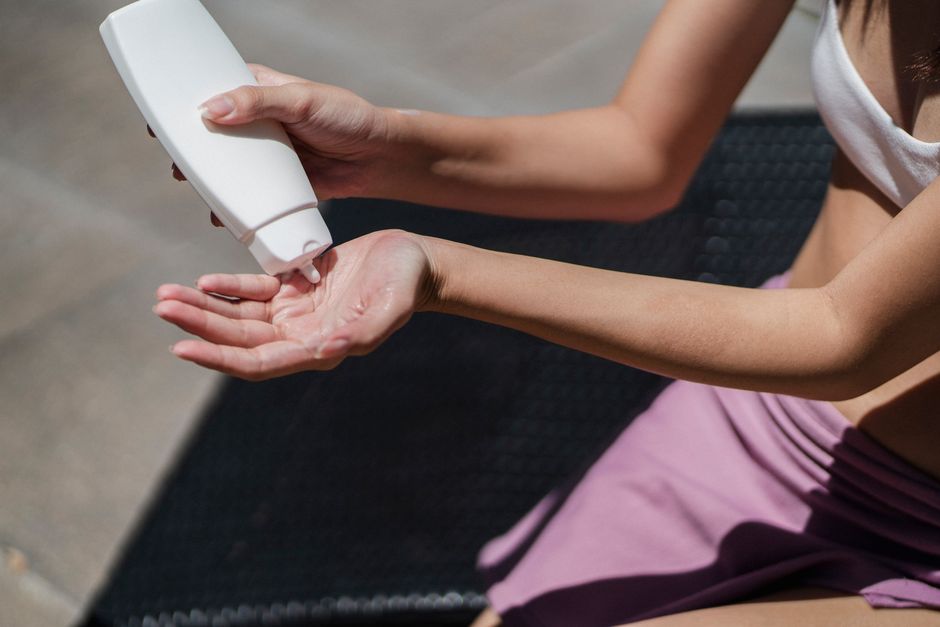
But a sunscreen jacket is not a substitute for sunscreen lotion. Here’s why:
- Coverage gaps. A jacket leaves your face, neck, hands, and lower legs exposed. Those areas need separate sunscreen application.
- Stretch factor. When fabric stretches (shoulders, elbows), UPF drops. A UPF 50 jacket can drop to UPF 20 when stretched 10%.
- Wet vs. dry. Many UPF fabrics lose 30-50% of their protection when wet. Not all brands disclose this.
The bottom line: a sunscreen jacket is a supplemental tool, not a replacement for SPF 30+ lotion on exposed skin.
How UPF Ratings Work — The Numbers You Need to Know

UPF ratings come from laboratory testing per ASTM D6603 or AS/NZS 4399 standards. Here’s the breakdown:
| UPF Rating | % UV Blocked | Protection Category |
|---|---|---|
| UPF 15-24 | 93.3% – 95.9% | Good |
| UPF 25-39 | 96.0% – 97.4% | Very Good |
| UPF 40-50+ | 97.5% – 98%+ | Excellent |
Most sunscreen jackets on the market — from brands like Coolibar, Solumbra, Columbia Sportswear, and Uniqlo — advertise UPF 50+. But that rating applies only to the fabric as tested. Once you wash the jacket, the UPF can change. Detergent with optical brighteners can increase UPF; chlorine bleach can decrease it. The actual protection depends on fabric condition, fit, and wear.
Why UPF 50+ Doesn’t Mean “Safe All Day”
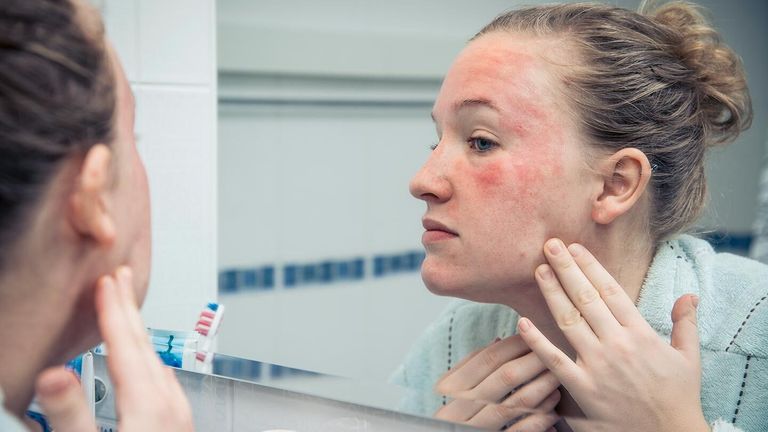
Even with UPF 50+ fabric, you still need sunscreen on exposed skin. The jacket covers your torso and arms, but your face, ears, back of neck, and hands are vulnerable. A study in Photodermatology, Photoimmunology & Photomedicine (2026) found that people wearing UPF clothing still got significant UV exposure on unprotected areas — enough to cause erythema (sunburn) after 2 hours in midday sun.
When a Sunscreen Jacket Makes Sense (and When It Doesn’t)
This section is deliberately short — a verdict, not a deep dive.
Buy a sunscreen jacket if: You spend extended time outdoors (hiking, gardening, beach days) and want to reduce the amount of sunscreen you need on your torso. Skip it if: You’re only outdoors for 15-20 minutes daily. Regular clothing (denim, cotton) already provides UPF 10-20, which is sufficient for short exposure. A $60-100 jacket is overkill for a walk to the mailbox.
Common Mistakes People Make With Sunscreen Jackets

Here are the failure modes dermatologists see most often:
- Assuming the jacket covers everything. People skip sunscreen entirely. Then they get burned on their face, hands, or through mesh panels. Always apply SPF 30+ to exposed skin.
- Buying the wrong size. A tight jacket stretches the fabric, lowering UPF. Buy one size up if you want consistent protection. Loose fit = better air circulation + higher UPF.
- Ignoring the hood. The back of the neck is a high-risk skin cancer area. A jacket without a hood leaves that area exposed. Look for jackets with a built-in hood or wear a wide-brim hat.
- Not washing correctly. Fabric softeners reduce UPF by coating fibers. Wash UPF garments with mild detergent, skip fabric softener, and air dry.
Alternatives to a Sunscreen Jacket — When to Choose Something Else
Sometimes a sunscreen jacket is not the best option. Here are three alternatives and when to pick them:
- Regular long-sleeve shirt + sunscreen. A cotton or linen long-sleeve shirt provides UPF ~10-15. Pair it with SPF 30+ lotion on exposed skin. This works for casual outdoor activities and costs $15-30 instead of $60-100. Tradeoff: less UV protection, more sunscreen needed.
- UPF umbrella. Brands like Coolibar and Repel make umbrellas with UPF 50+. These cover your head, shoulders, and upper body — ideal for stationary use (beach, sports sidelines). Tradeoff: requires one hand to hold, doesn’t cover legs.
- Mineral sunscreen stick. For quick reapplication on face and hands, a zinc oxide stick (like Supergoop! Play or Neutrogena Sheer Zinc) is faster than pulling on a jacket. Tradeoff: needs reapplication every 2 hours, can feel greasy.
The real tradeoff is between convenience and coverage. A sunscreen jacket is convenient for torso coverage but leaves gaps. Mineral sunscreen is more thorough but requires reapplication. Choose based on your activity duration and skin sensitivity.
How to Pick a Sunscreen Jacket That Actually Works

Not all UPF jackets are created equal. Here’s what to check before buying:
- Look for the UPF label. If the tag doesn’t say UPF 50+, it’s not a sunscreen jacket. Some brands call a regular hoodie “sun protective” without testing. Only trust garments with a printed UPF rating.
- Check the fabric composition. Nylon and polyester blends with tight weaves (like Solumbra’s proprietary fabric) tend to hold UPF longer than cotton or rayon. Coolibar uses a polyester-spandex blend that retains UPF after 30 washes.
- Look for moisture-wicking. Sweat-soaked fabric loses UPF. Jackets with moisture-wicking technology (like Columbia’s Omni-Shade) maintain UPF even when damp.
- Consider the color. Darker colors absorb more UV, so they often have higher UPF than light colors. But dark fabrics get hotter. For hot climates, a light-colored jacket with UPF 50+ (like Uniqlo’s AIRism UV Protection Hoodie in white or beige) balances heat and protection.
The Future of Sunscreen Jackets — What’s Coming Next
The category is evolving. A few developments on the horizon:
Smart fabrics that change UPF based on UV exposure are in early testing. Researchers at the University of California, Davis have developed a fabric that darkens when UV is high, signaling when to seek shade. Built-in SPF — some brands are experimenting with fabric coatings that release sunscreen lotion when wet. These are not yet commercially available and will likely require FDA regulation as drug-delivery devices.
For now, the best approach remains a layered one: UPF 50+ clothing for coverage, SPF 30+ mineral sunscreen for exposed skin, and shade-seeking during peak UV hours (10 AM to 4 PM). A sunscreen jacket is a useful tool in that system — but only one tool, not the whole solution.