
Navigating the world of anti-aging serums can feel overwhelming, with countless options promising youthful skin. Many products flood the market, making it hard to discern which ones actually deliver on their claims. This guide cuts through the marketing hype to focus on the science-backed ingredients and practical advice you need.
The Essential Anti-Aging Ingredients (And Why They Work)
When searching for an effective anti-aging serum, the ingredient list is where the real power lies. Forget fancy packaging or celebrity endorsements; specific compounds consistently demonstrate the ability to mitigate signs of aging. These aren’t magic potions, but rather scientifically validated components that stimulate cellular repair, protect against environmental damage, or support skin structure.
Retinoids: The Gold Standard
Among all anti-aging ingredients, retinoids are perhaps the most well-researched and powerful. This class of Vitamin A derivatives works by encouraging cell turnover, meaning new skin cells come to the surface faster. They also stimulate collagen production, which helps reduce the appearance of fine lines and wrinkles. Products like prescription tretinoin (Retin-A) are the strongest, but over-the-counter options like retinol and retinaldehyde are highly effective too. For instance, a quality retinol serum, like Paula’s Choice 0.3% Retinol + 2% Bakuchiol Treatment (around $62), can significantly improve skin texture and tone over time. Start with a lower concentration a few times a week to allow your skin to adjust, as retinoids can cause initial irritation, redness, and peeling.
Antioxidants: Your Skin’s Defense
Antioxidants are crucial for protecting your skin from environmental aggressors like UV radiation and pollution, which generate free radicals that damage skin cells and collagen. Vitamin C is a standout antioxidant. It not only neutralizes free radicals but also brightens skin, fades hyperpigmentation, and plays a key role in collagen synthesis. Look for L-Ascorbic Acid in concentrations between 10-20% for best results. Other powerful antioxidants include Vitamin E, ferulic acid, green tea extract, and niacinamide. A classic example is SkinCeuticals CE Ferulic (around $169), a potent blend of Vitamin C, E, and ferulic acid, though more budget-friendly options exist like Timeless 20% Vitamin C + E Ferulic Acid Serum (around $25).
Peptides: Building Blocks for Firmness
Peptides are short chains of amino acids, the building blocks of proteins like collagen and elastin. As we age, our natural peptide production decreases. Applying peptides topically can signal the skin to produce more collagen, improving firmness and elasticity. There are many types of peptides, each with slightly different functions, from signaling peptides that boost collagen to neurotransmitter-inhibiting peptides that can temporarily relax facial muscles. While they might not offer the dramatic changes of retinoids, peptides are excellent for supporting overall skin health and texture, often with very little irritation. Consider a peptide-rich serum like The Ordinary “Buffet” + Copper Peptides 1% (around $32) for a comprehensive approach to skin repair.
Understanding Your Skin Type: Matching Serum to Need

The best anti-aging serum isn’t a universal product; it’s one tailored to your specific skin type and concerns. What works wonders for someone with oily, resilient skin might cause significant issues for someone with dry, sensitive skin. Understanding your skin’s natural tendencies is the first step toward building an effective and comfortable routine. Ignoring this can lead to irritation, breakouts, or simply a lack of desired results, wasting both time and money. It’s about finding harmony between powerful ingredients and your skin’s unique biological makeup.
Oily and Acne-Prone Skin Considerations
If your skin tends to be oily, you’ll want serums that are non-comedogenic and lightweight. Ingredients like retinoids can be particularly beneficial as they help regulate sebum production and accelerate cell turnover, which can prevent clogged pores. However, choose serums with lighter textures, such as gel-based or water-based formulas, rather than heavy oils or creams. Salicylic acid, while not a direct anti-aging ingredient, can complement your routine by keeping pores clear, allowing other active ingredients to penetrate better. Be mindful of combining too many strong actives, as even oily skin can become irritated.
Dry and Sensitive Skin Needs
For dry and sensitive skin, the focus shifts to gentle formulations that support the skin barrier while delivering anti-aging benefits. Hydrating ingredients like hyaluronic acid and ceramides are to prevent dryness and irritation often associated with active ingredients. When introducing retinoids or Vitamin C, opt for lower concentrations and introduce them slowly (e.g., once or twice a week initially). Look for serums that avoid common irritants like strong fragrances, essential oils, and excessive alcohol. Products specifically formulated for sensitive skin often have fewer ingredients, reducing the chance of an adverse reaction. Prioritizing skin barrier health means your anti-aging actives will be more effective and better tolerated in the long run.
Normal to Combination Skin: Balanced Approaches
Normal to combination skin types have a bit more flexibility, but still require a balanced approach. You can often tolerate a wider range of concentrations and textures. The key is to address specific concerns in different areas if needed; for example, a slightly stronger active on oilier T-zones and a more hydrating formula on drier cheeks. You can layer different serums or alternate them on different days. This skin type is often the most forgiving, allowing for experimentation with various actives without as much risk of irritation, provided you listen to your skin’s feedback. Consistency is still vital for seeing results, regardless of your skin type.
Top Anti-Aging Serums for Specific Concerns (2026 Edition)
In 2026, the market offers a refined selection of anti-aging serums, each excelling in specific areas. Picking the “best” often depends on your primary concern. We’ve assessed several popular and effective options, considering their key ingredients, concentration, and overall value. Remember that prices are approximate and can vary by retailer and promotions.
Best for Fine Lines & Wrinkles
For smoothing out existing lines and preventing new ones, retinoids are unmatched. The gold standard here is balancing efficacy with tolerability.
| Product | Key Ingredient(s) | Approx. Price | Why It’s a Top Pick |
|---|---|---|---|
| SkinCeuticals 0.5 Retinol | 0.5% Retinol | $80 | A well-formulated, stable retinol that delivers results without extreme irritation for those accustomed to retinoids. Excellent for consistent improvement. |
| The Ordinary Granactive Retinoid 2% Emulsion | 2% Granactive Retinoid (Hydroxypinacolone Retinoate) | $12 | Offers impressive retinoid benefits with significantly less irritation than traditional retinol, making it ideal for beginners or sensitive skin. |
Best for Firmness & Elasticity
When skin starts to feel less plump and loses its bounce, peptides and specific growth factors can help restore a youthful structure.
| Product | Key Ingredient(s) | Approx. Price | Why It’s a Top Pick |
|---|---|---|---|
| Drunk Elephant Protini Polypeptide Cream | 9 Signal Peptide Complex, Pygmy Waterlily Stem Cell Extract | $68 | While a cream, its high concentration of peptides makes it act like a serum, effectively improving skin’s tone, texture, and firmness. |
| NIOD Multi-Molecular Hyaluronic Complex | 12 forms of Hyaluronic Compounds, Peptides | $60 | Focuses on deep, multi-level hydration and skin barrier support, indirectly contributing to firmness by plumping the skin with multiple sizes of hyaluronic acid and supporting peptides. |
Best for Brightening & Even Tone
For dullness, dark spots, and an uneven complexion, certain antioxidants and exfoliants are most effective.
| Product | Key Ingredient(s) | Approx. Price | Why It’s a Top Pick |
|---|---|---|---|
| Paula’s Choice C15 Super Booster | 15% L-Ascorbic Acid, Vitamin E, Ferulic Acid | $55 | A highly stable and effective Vitamin C serum that dramatically brightens skin, fades discoloration, and provides powerful antioxidant protection. |
| Good Molecules Discoloration Correcting Serum | 4% Niacinamide, 4% Tranexamic Acid | $12 | An affordable yet powerful serum that targets various forms of discoloration and uneven skin tone, suitable for consistent use without irritation. |
How to Incorporate an Anti-Aging Serum Into Your Routine

Adding an anti-aging serum to your existing skincare regimen requires a thoughtful approach to maximize its benefits and avoid potential irritation. It’s not just about slapping it on; the order of application, the method, and what you layer it with all play a crucial role. A well-integrated serum can significantly elevate your skin health, but a haphazard application can undermine its effectiveness or even cause adverse reactions. Think of it as a specialized tool that needs to be used correctly.
-
Cleansing and Toning First
Always start with a clean canvas. Use a gentle cleanser to remove makeup, dirt, and excess oil. This ensures your skin is receptive to the serum’s active ingredients. Following cleansing, a toner can further balance your skin’s pH and remove any last traces of impurities. Pat your skin mostly dry; some serums (especially those with hyaluronic acid) absorb better on slightly damp skin, but ensure there’s no standing water.
-
Application Technique Matters
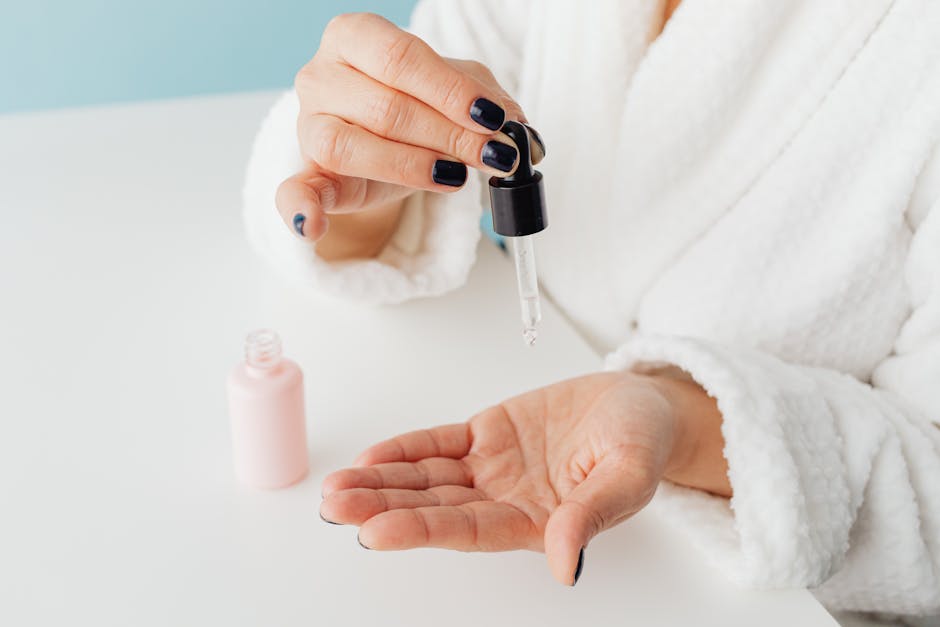
A few drops are usually all you need. Dispense the serum into your palm or directly onto your face, then gently pat or press it onto your skin, rather than vigorously rubbing. This method helps the serum absorb evenly without dragging the skin. Pay attention to areas of concern, such as around the eyes (if the serum is suitable for that area), forehead, and mouth. Allow the serum a minute or two to fully absorb before moving to the next step.
-
Layering with Other Products
The general rule for layering is thinnest to thickest consistency. Serums are typically applied after cleansing/toning and before moisturizer. If you use multiple serums, apply the one with the most active ingredients (e.g., Vitamin C or retinoids) first, or alternate them on different nights. Always follow with a good moisturizer to lock in hydration and support your skin barrier. In the morning, sunscreen is non-negotiable, especially when using ingredients like retinoids or Vitamin C, which can make your skin more sensitive to the sun.
Common Anti-Aging Serum Trade-offs: What You Should Know
Choosing an anti-aging serum isn’t always straightforward; there are often compromises to consider. No single product is perfect for everyone, and sometimes, achieving one benefit means accepting a potential downside. I believe a pragmatic approach is best here. Understand that what works for maximum efficacy might not be comfortable for daily use, or what’s gentle might not be the most potent. These trade-offs are inherent in skincare science.
Potency vs. Irritation
The most effective anti-aging ingredients, particularly retinoids and high concentrations of Vitamin C, often come with a risk of irritation. Redness, flaking, and sensitivity are common, especially when first introducing these actives. A highly potent serum might deliver faster or more dramatic results, but it could also compromise your skin barrier if not used carefully. On the other hand, gentler formulations, while less likely to cause irritation, might take longer to show noticeable improvements. The key is to find your personal sweet spot—a serum potent enough to be effective, but gentle enough for your skin to tolerate without constant discomfort.
Price vs. Efficacy
Skincare prices vary wildly, from drugstore finds to luxury brands costing hundreds of dollars. It’s tempting to assume higher prices equate to superior results, but this isn’t always true. While some expensive serums from brands like SkinCeuticals invest heavily in research and stable formulations of cutting-edge ingredients, many affordable brands like The Ordinary or Good Molecules offer highly effective, concentrated actives at a fraction of the cost. The difference often lies in patented delivery systems, elegant textures, or additional “filler” ingredients rather than purely efficacy. My recommendation is to prioritize serums with proven active ingredients in effective concentrations, regardless of the price tag. You don’t need to break the bank for good skin.
Fragrance and Sensitizers
Many serums include fragrance, essential oils, or other sensitizing plant extracts to enhance the user experience. While these can make a product feel luxurious, they are common culprits for causing contact dermatitis, irritation, and allergic reactions, particularly in sensitive skin types. For anti-aging serums, where consistent, long-term use is crucial, I always lean towards fragrance-free options. The goal is long-term skin health and rejuvenation, not a fleeting pleasant scent. If you have sensitive skin, meticulously check ingredient lists for potential irritants, even if they’re natural extracts. Simpler formulations are often better.
The Verdict: One Serum Doesn’t Fit All, But Smart Choices Do
Ultimately, there’s no single “best” anti-aging serum for everyone, only the best one for your skin, concerns, and budget. It demands a thoughtful approach, focusing on scientifically proven ingredients and understanding how they interact with your unique skin type. Investing time in research and consistent application will yield far greater returns than chasing fads or expensive promises. The future of effective anti-aging skincare lies in personalized, informed choices, continuously adapting as our skin’s needs evolve.