Market Overview and Growth Statistics of Vegan Beauty Products
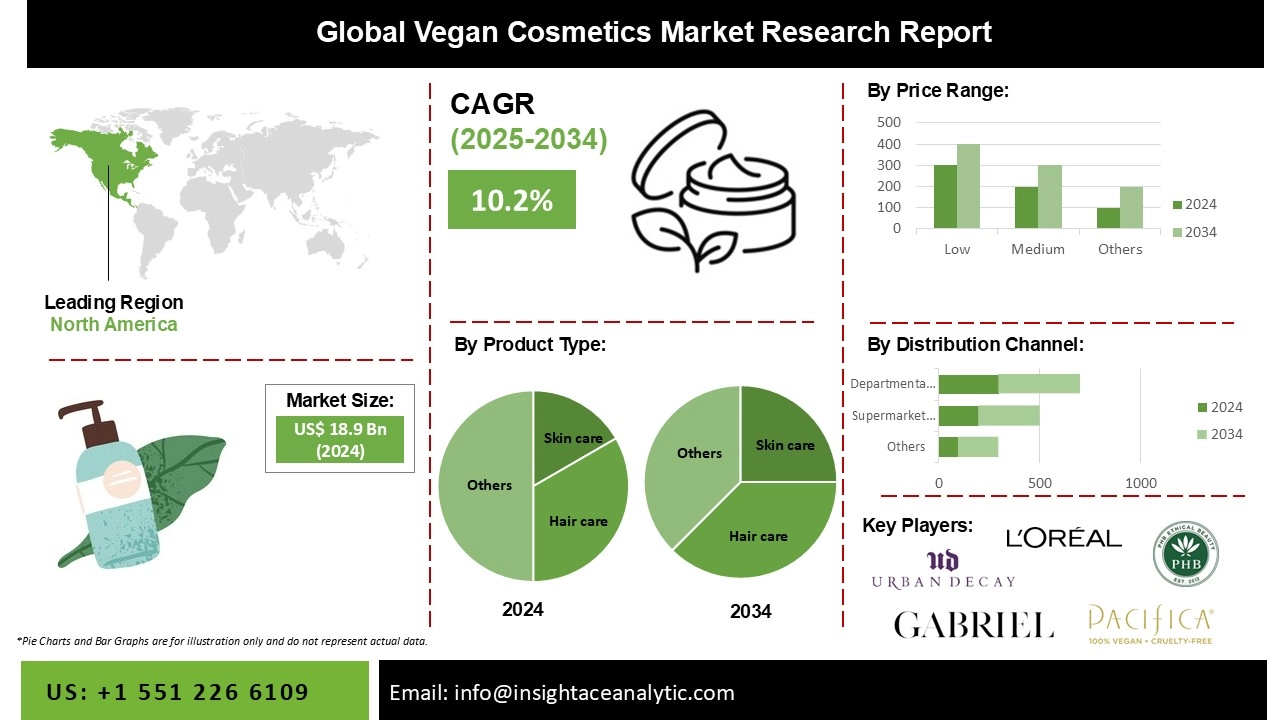
The vegan beauty market is booming, showing impressive growth from 2026 into 2026. Valued at approximately $15 billion in 2026, it’s projected to reach nearly $20 billion by the end of 2026, representing a compound annual growth rate (CAGR) of 12%. This surge highlights increasing consumer demand for cruelty-free cosmetics and plant-based skincare worldwide.
Year
Market Size (Billion USD)
CAGR (%)
2026
13.4
—
2026
15.0
12% (projected)
2026
19.8 (estimated)
12% (projected)
Regional highlights reveal that Europe remains the leader, accounting for about 40% of the market, thanks to strict regulations on animal testing and strong consumer interest in ethical beauty trends. Meanwhile, Asia-Pacific and North America are experiencing rapid growth fueled by rising awareness of clean beauty movements and demand for eco-friendly cosmetics.
Compared to previous years, there’s clear momentum toward mainstream adoption. Vegan beauty is no longer a niche; it’s becoming a standard expectation among consumers who want sustainable makeup and animal-free ingredients. The result? More brands adding vegan lines and certifications like Leaping Bunny and PETA-approved seals across the board.
In , the global shift toward green beauty revolution is reflected in accelerating sales and expanding market reach, as more people embrace vegan beauty products in their daily routines.
Ethical Concerns and Animal Welfare
More people are becoming aware of the animal testing and exploitation still common in traditional beauty products. This rising concern is driving consumers toward cruelty-free cosmetics that guarantee no animals were harmed during development. Certifications like Leaping Bunny and PETA’s cruelty-free logo are now key indicators shoppers look for when choosing ethical beauty products.
In many important markets, bans on animal testing—for example, across the European Union and parts of Asia—are pushing brands to adopt vegan skincare and cruelty-free standards. These regulations not only protect animals but also encourage a shift toward plant-based and animal-free ingredients. This movement aligns closely with the growing demand for ethical beauty trends and conscious consumerism beauty worldwide.
Environmental Sustainability and Clean Beauty
One major reason why vegan beauty products are gaining popularity in 2026 is their focus on environmental sustainability. These products rely heavily on plant-based ingredients, which significantly reduce the environmental impact compared to synthetic or animal-derived components. Using natural, plant-derived actives not only supports cleaner formulations but also helps protect ecosystems by promoting responsible sourcing.
Consumers are also demanding eco-friendly cosmetics with packaging that’s recyclable, biodegradable, or even refillable. This shift is part of the broader clean beauty movement, where minimizing waste and reducing the carbon footprint are key priorities. Brands responding to this trend often use sustainable materials and transparent labels, making it easier for conscious consumers to choose products that align with their values.
This green beauty revolution goes hand-in-hand with growing awareness around climate change and sustainability goals, encouraging more people to adopt natural beauty products that care for both their skin and the planet. For tips on boosting your skincare routine with nature’s best, check out our guide on helpful skin care tips using plant-based ingredients.
Health and Skin Benefits of Vegan Beauty Products
Many consumers now prefer natural, chemical-free formulations in their beauty routines. Vegan beauty products often avoid parabens, sulfates, and other harsh chemicals, which can irritate the skin. Instead, they rely on plant-derived actives that provide hydration, anti-aging effects, and nourishment while being gentle.
This shift matters especially for people with sensitive skin. Vegan skincare tends to offer cleaner ingredient transparency, making it easier to know exactly what’s going on your skin. These products usually focus on non-toxic beauty, minimizing allergic reactions and promoting healthier skin overall.
Benefit
Explanation
Why It Matters
Chemical-free formulas
No parabens, sulfates, or synthetic irritants
Reduces risk of skin irritation
Plant-based actives
Ingredients like aloe, chamomile, and green tea
Provide hydration and anti-aging
Transparency
Clear labeling of ingredients
Builds trust and suits sensitive skin
Choosing vegan skincare means you\’re not just opting for ethical beauty trends but also supporting your skin’s health with natural, nourishing ingredients.
In , vegan beauty products appeal because they combine the benefits of clean beauty movement with effective skincare, making them a smart choice for many health-conscious consumers.
Influence of Demographics and Social Media
Gen Z and Millennials are major forces behind the rise in vegan beauty products in 2026. These groups value ethical beauty trends just as much as how products make them look. They prioritize cruelty-free cosmetics and plant-based skincare that align with their values around conscious consumerism beauty.
Social media plays a huge role here. Influencers, celebrities, and targeted campaigns promote vegan makeup brands and eco-friendly cosmetics, making vegan beauty more visible and desirable. Platforms like Instagram, TikTok, and YouTube amplify these messages, encouraging followers to adopt vegan routines.
For many, veganism isn’t just a diet anymore—it’s a broader lifestyle choice influencing everything from fashion to beauty. This shift pushes brands to meet the demand for non-toxic beauty and sustainable makeup options that appeal to socially aware, health-conscious consumers.
This growing community of young buyers helps drive the clean beauty movement forward, creating a lasting impact on the global market.
Innovations and Brand Responses
In 2026, vegan beauty products are benefiting from exciting innovations that make them more effective and personalized than ever. Advances in biotech are enabling brands to create high-performance vegan formulations using plant-derived actives that deliver better hydration, anti-aging, and nourishment without harmful chemicals. AI personalization is also becoming common, helping consumers find cruelty-free cosmetics that perfectly match their skin type and concerns.
Mainstream beauty brands are increasingly launching dedicated vegan lines alongside niche players, showing that ethical beauty trends are entering the mass market. This competition is driving more innovation and accessibility in plant-based skincare and sustainable makeup.
Among emerging trends, waterless products are gaining traction, offering concentrated formulas that reduce waste and environmental impact. Microbiome-friendly ingredients are also popular, supporting skin health by nurturing its natural balance—an important aspect of the clean beauty movement. Sustainable sourcing remains a priority, with brands focusing on responsibly harvested, animal-free ingredients to meet the growing demand for eco-friendly cosmetics.
Challenges and Future Outlook
While vegan beauty products are riding a wave of popularity, some challenges remain. Higher costs tied to plant-based ingredients and ethical sourcing can make these products pricier than conventional options, which might deter budget-conscious shoppers. Additionally, confusion around cruelty-free certification labels—such as Leaping Bunny or PETA—can leave consumers unsure about which products truly meet their ethical standards.
Despite these hurdles, the market is set for steady growth beyond 2026. Demand for clean beauty and sustainable makeup continues to expand as more consumers embrace conscious consumerism beauty habits. Brands have a huge opportunity to innovate by developing affordable, effective vegan skincare benefits and transparent, eco-friendly cosmetics.
For shoppers, this means access to a wider range of high-performance, non-toxic beauty options. For brands, it’s a chance to lead the green beauty revolution by focusing on sustainable sourcing, animal-free ingredients, and product transparency. The future looks bright for cruelty-free cosmetics as ethical beauty trends keep gaining momentum worldwide.
FAQs About Vegan Beauty Products in 2026
What makes a beauty product truly vegan?
A truly vegan beauty product contains no animal-derived ingredients like beeswax, lanolin, or collagen. It also avoids animal testing, aligning with cruelty-free certification standards such as Leaping Bunny or PETA. Look for clear labeling stating “vegan” alongside cruelty-free logos to ensure both ethical beauty trends and animal-free ingredients are met.
Are vegan products more expensive?
Vegan skincare and makeup brands often come with a slightly higher price tag due to the cost of high-quality plant-based actives and sustainable sourcing. However, prices are becoming more competitive as demand grows and mainstream brands launch vegan lines, making sustainable makeup and cruelty-free cosmetics more accessible.
Top vegan beauty brands to try in 2026
Some leading brands known for their plant-based skincare and clean beauty movement include Herbivore, Pacifica, and Youth to the People. These brands focus on eco-friendly cosmetics with non-toxic beauty formulas that nourish the skin without harmful chemicals. For a deeper dive into flawless vegan makeup looks, check out our tips on how to make them flawless.
How to transition to a vegan beauty routine?
Start by swapping out a few everyday products for cruelty-free cosmetics.
Choose items free from parabens, sulfates, and other synthetic ingredients for a clean beauty approach.
Research certifications and ingredient lists to ensure plant-derived actives and vegan skincare benefits.
Follow vegan influencers and communities for honest reviews and recommendations.
Consider waterless or refillable packaging options to support eco-friendly cosmetics.
Switching gradually allows you to adapt without overwhelming your skin or budget, aligning your routine with the growing conscious consumerism beauty movement.