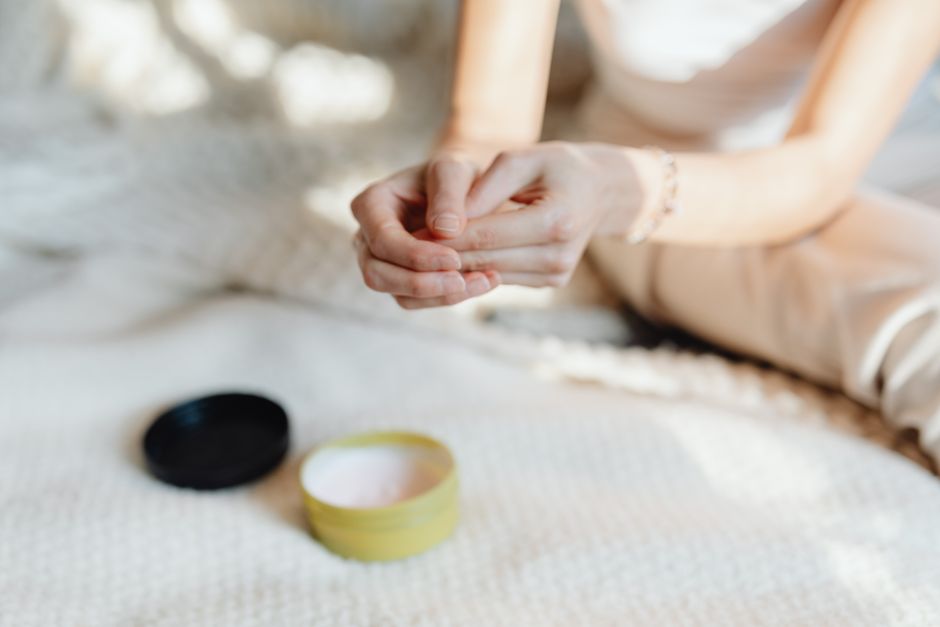
You wake up with tight cheeks, but your usual winter cream now leaves your forehead shiny by lunchtime. The heating has switched off, outdoor air is milder, and your skin needs a different balance of water, oil, and protection. This is not legal advice — consult a licensed attorney.
Why skin changes when indoor heating stops
The useful starting point is the indoor climate, not the calendar. Central heating often lowers indoor relative humidity to roughly 20–35%. That dry air pulls water away from the outer skin layer, so a rich cream can feel necessary in January. Once heating stops, indoor humidity may rise toward 40–55%, while warmer weather can increase sweat and oil on the surface. The same product that prevented tightness can then feel heavy.
What the skin barrier is handling
The outer skin layer works like a brick wall. Skin cells form the bricks, and lipids help seal the gaps. Dry heated air increases water loss through that wall. Wind, hot showers, foaming cleansers, and frequent exfoliation add more pressure. A moisturiser does not permanently repair every problem, but it can add water-binding ingredients and reduce surface water loss. The practical question is not “Is this cream good?” It is “Does this texture match the conditions on my face?”
Use the two-hour comfort test
Apply your normal amount after cleansing and check the result after two hours. If your cheeks feel comfortable and your T-zone is calm, keep the formula. If your face feels greasy, itchy, or coated, the product may now be too occlusive for daytime. If your skin feels tight again within an hour, switching to a lighter lotion may be the wrong move. First reduce hot water and harsh cleansing, then test a barrier-focused formula on one side of your face for three nights.
Which moisturiser texture suits spring skin?

Texture gives you a faster first filter than brand claims. A gel-cream usually leaves less oil on the surface, a lotion offers a middle ground, and a balm or thick cream gives the strongest protective film. The table below uses texture and typical use, not marketing language. That makes the comparison easier to apply to your own skin.
Texture comparison
| Texture | Best starting point | Main strength | Common drawback |
|---|---|---|---|
| Gel-cream | Oily or combination skin | Light finish and quick absorption | May not last through dry nights |
| Light lotion | Normal or mildly dry skin | Balanced moisture without a heavy film | Can feel insufficient in windy weather |
| Rich cream | Dry cheeks or mature skin | More comfort and reduced surface water loss | May feel greasy in warm rooms |
| Balm | Very dry patches only | Strong protective layer | Can trap sweat and feel congested |
The clearest spring default
For most people leaving a heated winter routine, a light lotion is the safest first change. It keeps more support than a watery gel while removing some of the waxy weight of a night cream. Apply it to slightly damp skin, then wait 10 minutes before adding more. The strongest evidence is your skin’s response: less tightness, no stinging, and no greasy film by midday. A texture change alone will not solve redness caused by fragrance, over-exfoliation, or a new active ingredient.
How to change your moisturiser over seven days
Do not replace every product on the same morning. A staged change creates a clearer record, much like comparing one fact at a time. Keep your cleanser and sunscreen stable while you test the moisturiser. Stop the trial if you develop swelling, hives, severe burning, or a spreading rash and seek medical advice.
A seven-day transition plan
- Day 1: Keep the winter moisturiser at night, but use half your normal daytime amount.
- Day 2: Apply the same smaller amount only to cheeks and around the nose if those areas still feel dry.
- Day 3: Test a lighter lotion on one side of the face after cleansing. Leave the other side unchanged.
- Day 4: Compare comfort at midday, not just the finish immediately after application.
- Day 5: If the lighter side feels calm, use it across the face in the morning.
- Day 6: Keep the richer cream for dry patches or evening use rather than discarding it.
- Day 7: Record tightness, shine, stinging, and breakouts. Choose the smallest amount that keeps skin comfortable.
How much to apply
For the face, start with roughly one pea-sized amount and spread it across the forehead, cheeks, nose, and chin. Add another half-pea only to areas that remain tight after 10 minutes. The right amount is not a fixed legal rule or a universal dose; it is a repeatable starting point. Applying three thick layers can create more pilling and shine without giving three times the benefit. Use sunscreen separately in the morning and do not treat moisturiser as a substitute for sun protection.
The best transition moisturisers for specific skin types
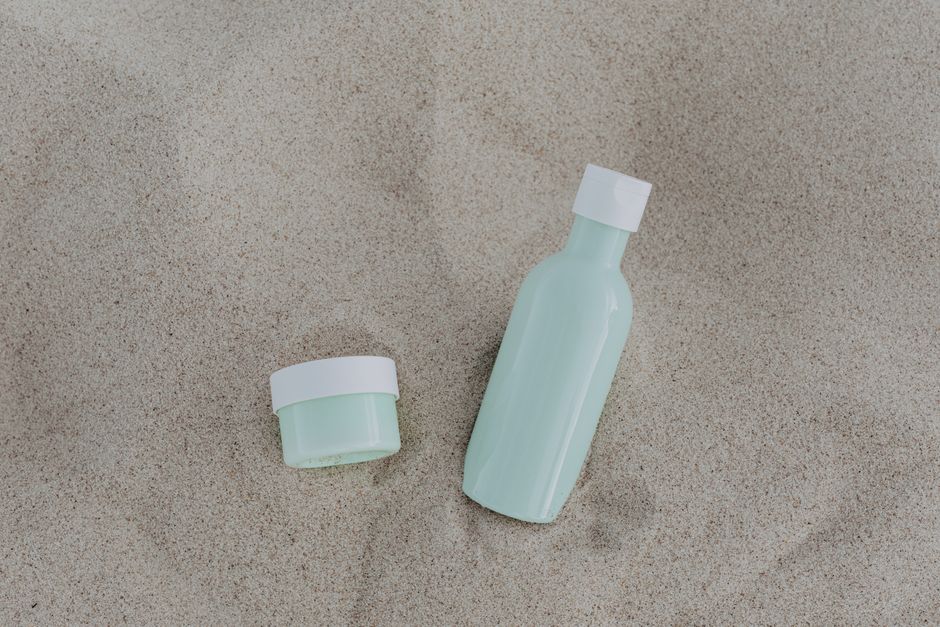
My clear pick for the average dry-to-normal face is a light lotion, not a rich winter balm. It gives the best balance when rooms become warmer but the cheeks still remember months of dry air. Prices below are typical US shelf prices in 2026 and can vary by retailer, so treat them as comparison points rather than fixed promises.
Best for dry, easily irritated skin
La Roche-Posay Toleriane Dermallergo Fluid is the strongest daytime choice for someone who wants a thin, low-residue formula. Its fluid texture suits warmer rooms and users who dislike a heavy layer under sunscreen. It is not the best value for large-area body use, and a persistent rash needs professional assessment. For dry sensitive facial skin that feels overloaded by winter cream, this is the best transition option because the texture encourages a smaller, cleaner application.
Best value for normal or combination skin
It combines a light lotion feel with ingredients such as ceramides and hyaluronic acid, so it can bridge the gap between a gel and a thick cream. For one everyday face product, Vanicream wins; for multiple dry body areas, CeraVe wins.
What causes tightness, shine, or new breakouts?
The most common mistake is blaming the new moisturiser for a routine that changed in three other ways. A careful review usually finds the real trigger.
“Why does my face feel tight after I use less cream?”
Less cream may expose an existing cleansing problem. Hot water, a strong foaming cleanser, and a five-minute scrub can remove more surface oil than your lighter moisturiser replaces. Wash with lukewarm water, keep cleansing to around 30 seconds, and apply moisturiser while the skin still has a small amount of dampness. If stinging continues, pause exfoliating acids and retinoids for several nights. The failure mode here is reducing moisturiser before reducing the extra sources of dryness.
“Why am I breaking out after switching?”
Breakouts can follow a heavy layer, but they can also come from sweat, hair products, sunscreen, or touching the face more often in warmer weather. Do not introduce a new moisturiser, exfoliant, serum, and cleanser in the same week. Patch-test on the jawline for three days, then use the product on one side of the face. If clogged bumps appear only where the richer layer sits, reserve that cream for dry patches. If bumps spread, itch, or become painful, stop experimenting and ask a qualified clinician for help.
When should you keep the winter cream?

Keep the richer cream if your skin still feels tight at night, flakes around the nose, or becomes uncomfortable after a short shower. Heating switching off does not create a deadline. Your home humidity, climate, cleanser, and skin type matter more than the date on the calendar.
Stay with the richer formula when
Use the winter cream in the evening when cheeks remain rough, indoor humidity stays below about 35%, or cold wind causes repeated tightness. You can reduce the amount before changing the product. A thin layer on damp skin often works better than a thick layer on completely dry skin. Keep the richer formula on dry zones and use a lighter lotion on the forehead, nose, and chin if those areas become shiny. This split-face approach is the best compromise for combination skin.
Switch or stop when
Switch to a lighter transition moisturiser when the current cream stays greasy for several hours, pills under sunscreen, or causes repeated closed bumps in the same areas. Do not buy a new product simply because it has a spring label. Buy only when the current texture fails a clear test. For dry sensitive skin, start with a fragrance-free lotion and a small amount. For oily skin, start with a gel-cream and keep a plain richer cream available for isolated dry patches. Persistent burning, swelling, or severe redness is a health issue rather than a shopping problem.