Understanding Oxidative Stress and Premature Aging
Our skin and body are constantly exposed to free radicals and reactive oxygen species (ROS), unstable molecules that can cause significant damage. These free radicals arise naturally through metabolism but also from external sources like UV radiation and pollution. When unchecked, ROS lead to oxidative stress—a harmful imbalance that damages key cellular components, including DNA, proteins, lipids, collagen, and elastin. This damage weakens the skin’s structure, contributing to wrinkles, sagging, and loss of elasticity.
Aging involves both intrinsic and extrinsic factors. Intrinsic aging is the natural, genetically programmed decline over time, while extrinsic aging results from environmental exposures—primarily marked by oxidative stress. External elements such as sun exposure, smoking, and pollution accelerate free radical production, amplifying skin aging prematurely.
Chronic inflammation and mitochondrial dysfunction also play crucial roles in premature aging. Persistent inflammation triggers ongoing oxidative stress, damaging tissues further. Meanwhile, malfunctioning mitochondria—the cell’s energy producers—generate excess ROS, perpetuating a destructive cycle. Together, these factors erode skin vitality and promote early signs of aging.
Understanding oxidative stress and its impact highlights why addressing free radical damage prevention is essential for maintaining youthful, healthy skin.
How Antioxidants in Herbs Combat Premature Aging
Antioxidant-rich herbs work in several effective ways to slow down premature aging caused by oxidative stress and inflammation. Here’s a quick breakdown of how these natural compounds help keep your skin youthful and healthy:
| Mechanism | How It Helps |
|---|---|
| Free Radical Scavenging | Neutralizes free radicals and reactive oxygen species (ROS) that damage skin cells. Boosts natural antioxidants like glutathione inside your body. |
| Anti-Inflammatory Effects | Inhibits NF-κB, a key protein that triggers chronic inflammation linked to skin aging. Reduces redness, swelling, and cellular stress. |
| Collagen Support & MMP Inhibition | Encourages collagen production essential for skin firmness and elasticity while blocking matrix metalloproteinases (MMPs), enzymes that break down collagen and elastin. |
| UV Protection | Shields skin from UV-induced oxidative damage, preventing photoaging and sunspots. |
Top Antioxidant Phytochemicals in Herbs
- Polyphenols: Potent antioxidants that reduce free radical damage and inflammation.
- Flavonoids: Protect the skin barrier and stimulate collagen production.
- Carotenoids: Natural pigments offering UV protection and repairing oxidative damage.
- Terpenes: Help detoxify skin and calm irritation.
Topical vs. Dietary Benefits
Using antioxidant herbs both on your skin and through your diet offers complementary effects. Topicals deliver antioxidants directly to targeted areas for immediate protection and repair, while dietary intake supports overall skin health from within by enhancing your body’s natural defenses.
Discover how to get the most from antioxidant herbs, whether you prefer a refreshing herbal tea or a nutrient-packed serum, at our guide to super ingredients for your skin.
Incorporating these herbs rich in polyphenols and other phytochemicals can be a powerful natural anti-aging strategy, helping to prevent free radical damage and preserve your skin’s youthful glow.
Top Antioxidant-Rich Herbs for Anti-Aging Protection
When it comes to natural anti-aging remedies, several antioxidant herbs stand out for their proven benefits in preventing premature aging and promoting youthful skin.
-
Turmeric (Curcuma longa)
Turmeric is packed with curcumin, a powerful antioxidant and anti-inflammatory compound. It helps maintain skin elasticity and offers protection against UV damage, making it a great choice for guarding against photoaging.
-
Green Tea (Camellia sinensis)
Rich in catechins, especially EGCG, green tea reduces the impact of UV rays on the skin. It supports collagen production and fights free radical damage, which slows down visible signs of aging like wrinkles.
-
Rosemary (Rosmarinus officinalis)
Rosemary contains carnosic acid and rosmarinic acid, antioxidants that protect the skin barrier and reduce wrinkle formation. This herb is known for boosting skin firmness and overall texture.
-
Ginger (Zingiber officinale)
Ginger’s gingerols offer anti-inflammatory benefits and improve blood circulation, which enhances skin health and reduces redness or swelling that can accelerate aging.
-
Holy Basil (Ocimum sanctum)
Also called Tulsi, holy basil contains adaptogens like eugenol and ursolic acid. These compounds help combat stress-related signs of aging by reducing cortisol levels and supporting cellular health.
-
Ashwagandha (Withania somnifera)
Withanolides in ashwagandha help lower cortisol and shield cells from oxidative stress. This herb aids in protecting skin from premature wrinkles linked to stress.
-
Gotu Kola (Centella asiatica)
Known for its triterpenoids, gotu kola boosts collagen synthesis and supports wound healing, making it valuable for scar reduction and skin regeneration.
-
Ginseng (Panax ginseng)
Ginsenosides in ginseng enhance energy metabolism, skin regeneration, and antioxidant defenses, helping to maintain a youthful glow and firmness.
These herbs can be used in various forms, including teas, extracts, supplements, or topical applications like serums and oils. For those interested in incorporating them, learning about the best delivery methods and dosages can maximize their effects. Many find that combining dietary intake with topical use offers comprehensive protection against oxidative stress and premature aging.
To dive deeper into effective herbal approaches and skincare tips using these antioxidants, check out our detailed guide on how spices and herbs can save your skin. This resource outlines practical ways to harness natural antioxidants for lasting youthful skin.
Incorporating Antioxidant-Rich Herbs into Your Routine
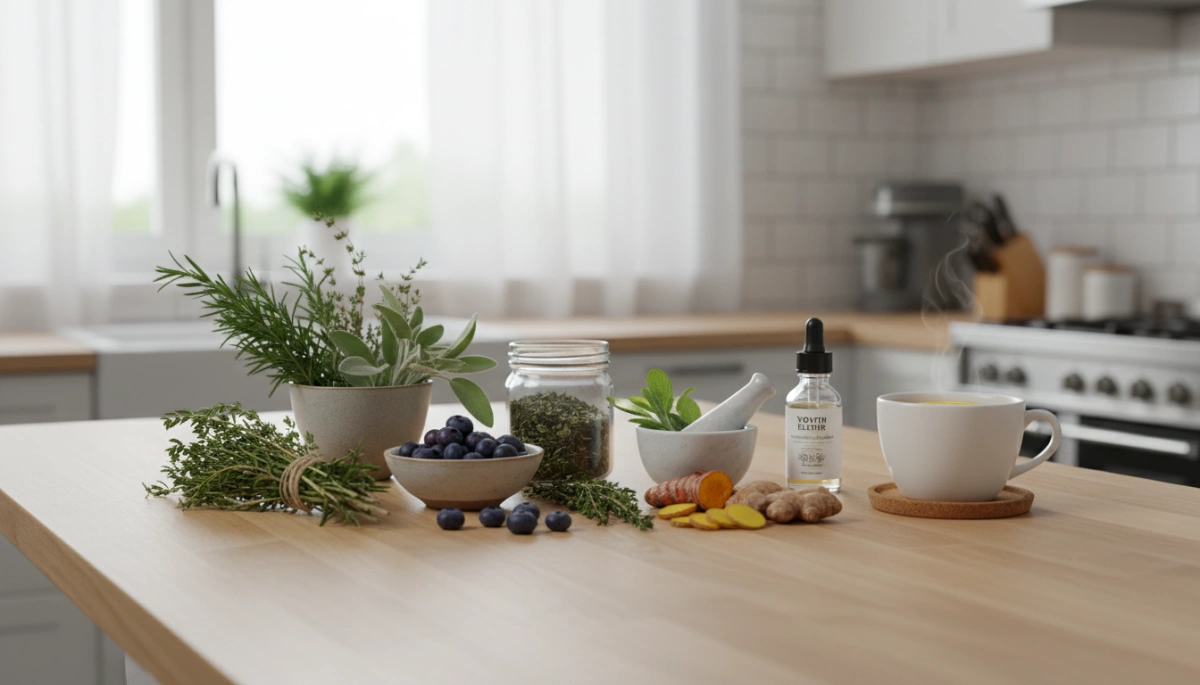
Adding antioxidant herbs for skin into your daily life is easier than you might think. Start with dietary choices: sipping green tea or turmeric-infused teas, adding rosemary and ginger spices to your cooking, or blending herbs like holy basil and ashwagandha into smoothies. When using supplements, check for quality and stick to recommended dosages to get the best effects without overdoing it.
For topical use, you can create DIY masks or oils using herbal extracts like gotu kola or turmeric, or choose serums containing these antioxidants. Always do a patch test first to avoid irritation, especially if you have sensitive skin. This helps you enjoy the benefits of plants without unwanted reactions.
Complement these herbs with a healthy lifestyle: use sunscreen daily for UV protection, eat a balanced, plant-based diet rich in polyphenols, stay hydrated, and get enough sleep. These habits boost your skin’s natural defenses against premature aging.
Finally, be aware of precautions. Some antioxidant herbs can interact with medications or cause allergies, so it’s smart to consult a healthcare professional before starting new supplements or herbal skin treatments. This ensures safe, effective support against oxidative stress and aging.
For more tips on natural skin care and using herbs safely, check out our detailed skin care tips.
Scientific Evidence and Limitations
Antioxidant-rich herbs have been studied extensively for their role in preventing premature aging by fighting oxidative stress and inflammation. Key compounds like polyphenols found in herbs such as green tea and rosemary have demonstrated the ability to reduce matrix metalloproteinases (MMPs)—enzymes that break down collagen and elastin—helping maintain skin firmness and elasticity. Several clinical skin trials report improvements in wrinkle reduction, skin hydration, and barrier function with consistent use of herbal extracts rich in antioxidants.
However, there are challenges. One major issue is bioavailability—many beneficial phytochemicals are not easily absorbed or retained in the skin and body when consumed or applied topically. This makes their real-life effectiveness harder to gauge without standardized formulations. Additionally, while in vitro and animal studies are promising, more high-quality human studies are needed to confirm long-term anti-aging benefits.
Because of these limits, it’s important to view antioxidant herbs as part of a holistic, preventive approach rather than a quick fix or reversal method. Combining herbal antioxidants with a balanced diet, sun protection, hydration, and proper skincare will provide the best results in maintaining youthful skin and overall wellness. For practical applications and natural skincare tips, exploring resources on skin glowing foods and acne prevention and skin care can be very helpful.