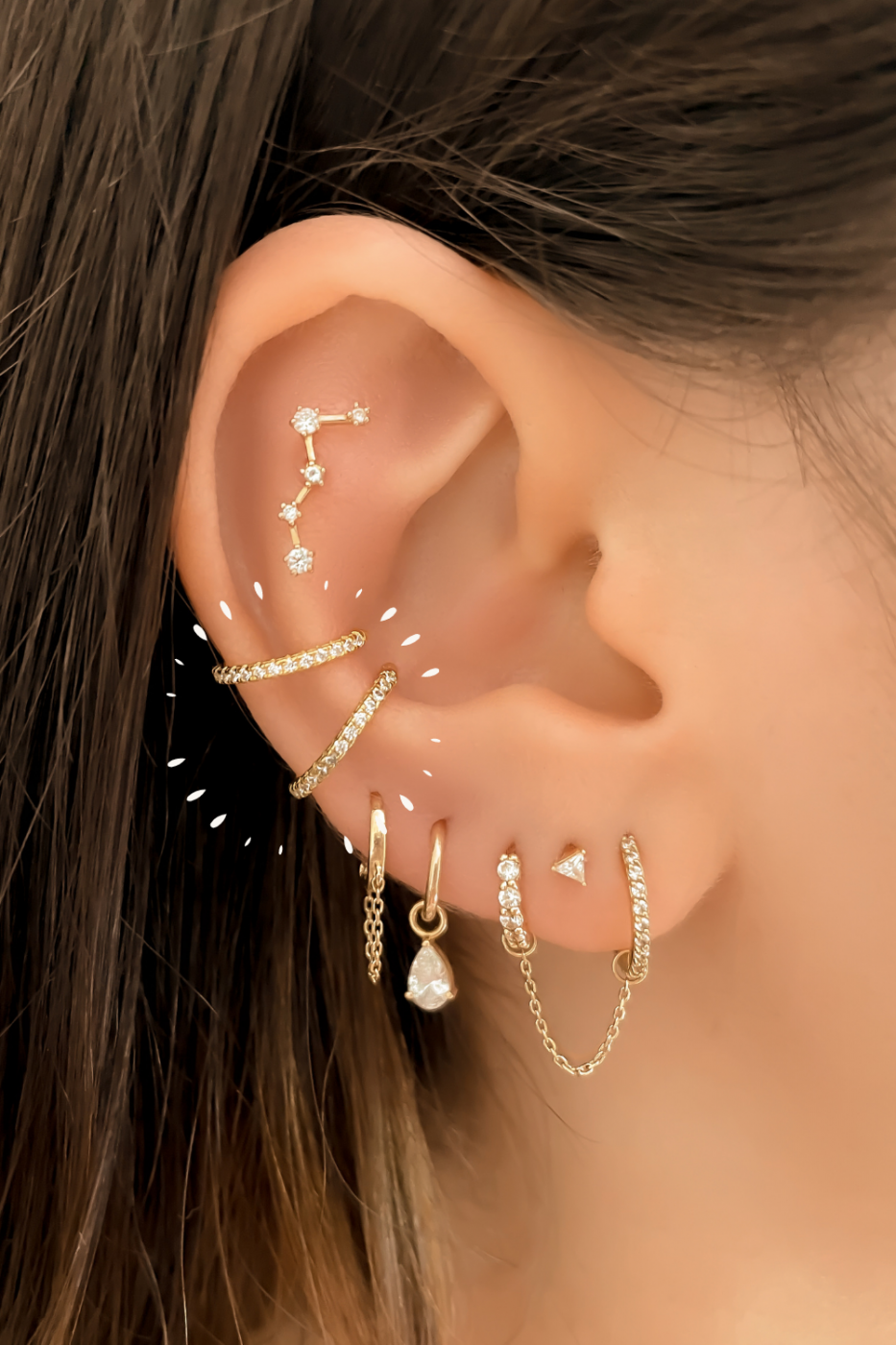
While cartilage piercings generally have a reputation for significant pain, many people report the conch piercing to be surprisingly manageable. Its placement on the inner ear’s large, flat cartilage area often allows for a quicker, cleaner pierce than expected, often less painful than a helix or daith. However, ‘manageable’ doesn’t mean ‘effortless.’ Healing this type of piercing demands specific care and attention. Ignoring the basics can turn a beautiful piece of body art into a prolonged, uncomfortable ordeal. This guide cuts through the noise, giving you the precise steps and knowledge to navigate your conch piercing journey effectively.
Understanding Your Conch Piercing: Inner vs. Outer
The conch, located in the central part of your ear, offers a unique canvas for piercing. There isn’t just one type; it generally breaks down into two main styles: the inner conch and the outer conch. Knowing the difference is key before you even walk into a studio, as each influences jewelry choice and sometimes even initial healing comfort. Both pierce through the ear’s sturdy cartilage, but their exact location dictates the type of jewelry that sits best and how much they might interact with headphones or hair.
What Defines Each Style?
An inner conch piercing goes through the deep cup of your ear, closer to the ear canal. This placement often suits circular jewelry like captive bead rings or seamless rings once healed, but typically starts with a straight bar. It’s a bold look that can be quite striking. An outer conch piercing, conversely, sits on the flatter, outer part of the conch, closer to the helix rim. This position is popular for larger studs or clusters, creating a visual anchor on the ear. Both options require a precise hand from the piercer, considering the ear’s natural curves and your anatomy.
Initial Jewelry Choices
For almost all new conch piercings, a straight, flat-back labret stud is the standard. This type of jewelry minimizes movement and pressure, which is vital for initial healing. The flat back rests comfortably against the ear, reducing irritation from snagging or bumping. The length of this initial jewelry is also crucial; it needs to be long enough to accommodate swelling, which is a natural part of the healing process. Too short, and the jewelry can embed in the tissue, causing significant pain and complication. Too long, and it can catch easily, also leading to irritation. Your piercer will select the appropriate length. Common materials for initial jewelry include implant-grade titanium or surgical stainless steel, both biocompatible and less likely to cause allergic reactions.
| Feature | Inner Conch Piercing | Outer Conch Piercing |
|---|---|---|
| Location | Deep cup of the ear, closer to ear canal. | Flatter, outer part of the conch, closer to helix rim. |
| Initial Jewelry | Straight flat-back labret stud. | Straight flat-back labret stud. |
| Healed Jewelry Options | Captive bead rings, seamless rings, curved barbells, studs. | Larger studs, clusters, decorative ends, rings. |
| Visibility | More subtle, often peeks out from the ear’s curve. | More prominent, often a focal point on the ear. |
| Healing Time | Typically 6-12 months. | Typically 6-12 months. |
Before the Needle: Essential Preparation Steps
Getting a conch piercing is exciting, but don’t rush into it. Proper preparation significantly impacts your healing journey and overall satisfaction. Think of it like preparing for a marathon; you wouldn’t just show up. A little planning goes a long way in preventing headaches later on.
Finding a Reputable Piercer
- Research extensively: Look for studios with excellent reviews specifically mentioning cartilage piercings. Check their portfolios online for examples of conch piercings. A good piercer prioritizes hygiene, proper technique, and customer education.
- Verify licensing and certifications: Ensure the studio is licensed and adheres to local health regulations. Ask to see their sterilization procedures. Autoclaves should be used for all tools and jewelry.
- Consult in person: Visit the studio before your appointment. Observe the cleanliness. Talk to the piercer about your anatomy and their experience with conch piercings. A professional will assess your ear shape and recommend the best placement. They should be transparent about the process and aftercare.
- Ask about jewelry quality: Confirm they use implant-grade materials like titanium (ASTM F-136 standard) or surgical stainless steel (ASTM F-138 standard) for initial piercings. These materials are inert and minimize irritation or allergic reactions.
Pre-Piercing Lifestyle Adjustments
- Get adequate sleep: A well-rested body is better equipped to handle the stress of a piercing and initiate the healing process. Aim for 7-9 hours of sleep the night before.
- Eat a good meal: Don’t arrive on an empty stomach. Eating a balanced meal an hour or two before your appointment helps stabilize blood sugar and prevents lightheadedness or fainting.
- Stay hydrated: Drink plenty of water in the days leading up to your piercing. Hydrated skin and tissues can sometimes aid in a smoother piercing process and recovery.
- Avoid alcohol and blood thinners: Steer clear of alcohol, caffeine, and over-the-counter blood thinners (like aspirin) for at least 24-48 hours prior. These can increase bleeding and swelling, complicating the piercing and initial healing.
- Shower before: Take a shower and wash your hair thoroughly before your appointment. You’ll want your ear as clean as possible, and it will be harder to wash your hair comfortably for a few days after.
- Clear your schedule: Avoid strenuous activities, swimming, or situations where your ear might get bumped for the first few days after getting pierced.
The Piercing Experience: What to Expect in the Chair
Walking into the piercing studio can be nerve-wracking, even for seasoned enthusiasts. Knowing the step-by-step process helps demystify it and reduces anxiety. A professional piercer follows a strict protocol to ensure safety, hygiene, and a well-placed piercing. You’ll typically start by filling out paperwork, including waivers and health disclosures. This is also a good time to ask any last-minute questions you have about the procedure or aftercare.
Pain Levels and Duration
The actual piercing process is incredibly quick. Many describe the initial sensation as a sharp pinch, followed by a dull pressure as the jewelry is inserted. Because the conch is a thick piece of cartilage, you might hear a slight ‘pop’ during the pierce, which is normal and nothing to worry about. The pain is intense for a fleeting moment, typically lasting only a second or two. After the needle passes through and the jewelry is secured, the initial sharp pain subsides quickly, replaced by a throbbing or aching sensation. This dull ache can persist for several hours, sometimes a full day. Everyone’s pain tolerance differs, but generally, the conch is rated as a 5-7 out of 10 on the pain scale during the actual pierce. It’s often compared to the discomfort of getting a shot or having blood drawn, rather than a prolonged, excruciating experience.
Immediate Aftermath
Once the piercing is complete, your piercer will provide you with detailed aftercare instructions. Listen carefully and ask for clarification on anything you don’t understand. They’ll also check the jewelry for security and proper fit. It’s common for the area to bleed slightly, swell, and feel tender for the first few days. Some minor bruising around the ear is also possible. Your ear will likely feel warm to the touch. The swelling can be noticeable, making the jewelry feel tighter than it did initially. This is why having slightly longer jewelry initially is crucial. Avoid touching the piercing, especially with unwashed hands. This is the most critical rule for preventing infection. Be mindful of your hair, clothing, and anything that might snag the new piercing. Sleep on your opposite side or use a travel pillow to keep pressure off the new piercing.
Navigating the Initial Healing Phase: Week by Week
The first few weeks after a conch piercing are crucial. This is when your body is working hardest to close the wound and begin forming a fistula, the healed channel around the jewelry. Patience is key; rushing the process or neglecting aftercare can lead to significant setbacks. Healing isn’t linear, and you’ll experience ups and downs. Stick to your routine, and resist the urge to fuss with the jewelry.
How long does the initial swelling last?
Initial swelling typically lasts for about 1 to 2 weeks. During this period, your ear will feel tender, appear red, and might feel warm. It’s crucial not to panic if the jewelry seems tight; this is why piercers use slightly longer posts. Around the 2-week mark, the most significant swelling should subside. If it persists or worsens, especially with increased pain or pus, contact your piercer or a medical professional immediately. Once swelling significantly reduces, often around 4-8 weeks, your piercer might recommend a “downsize” to shorter jewelry. This reduces snagging and helps the piercing heal more efficiently by preventing excessive movement.
What’s the best way to clean it daily?
Cleaning your conch piercing involves a simple, yet consistent routine. You’ll need a sterile saline solution, specifically one labeled for wound wash (like NeilMed Piercing Aftercare Fine Mist). Avoid homemade saline solutions, as they often have incorrect salt-to-water ratios and can be contaminated. Clean your piercing twice a day, morning and night, and after any strenuous activity that causes sweating.
- Wash your hands: Always, always wash your hands thoroughly with antibacterial soap before touching your piercing.
- Spray: Gently spray the sterile saline solution directly onto the front and back of the piercing. Do not rotate or move the jewelry.
- Air dry or pat gently: Allow the solution to air dry, or very gently pat the area with a clean, non-woven gauze pad or paper towel. Avoid cotton balls or Q-tips, as fibers can get caught in the jewelry and cause irritation.
- Leave crusties alone: Resist the urge to pick at any crust that forms around the jewelry. These are dried lymph fluid and indicate healing. The saline spray should help soften them; if they don’t come off easily, leave them. For stubborn crust, let warm water run over it in the shower, then gently wipe with gauze.
Avoid harsh soaps, alcohol, hydrogen peroxide, or tea tree oil. These can dry out the piercing, kill new cells, and delay healing. Keep hair products, makeup, and lotions away from the piercing site.
Common Conch Piercing Complications & Solutions
Even with meticulous care, complications can arise with any piercing. For a conch, understanding the difference between normal irritation and a serious problem is key. Don’t self-diagnose based on internet forums. While many issues are minor, some require professional intervention. Your piercer is your best resource for troubleshooting, but recognizing the signs empowers you to act quickly.
Let’s be clear: genuine infection is rare if you follow aftercare, but it’s serious and needs a doctor. Most ‘infections’ are actually irritation.
Identifying an Infection
A true infection is a medical emergency for a piercing. It will typically present with a combination of symptoms:
- Severe, throbbing pain: Far beyond normal tenderness, often increasing over time.
- Significant redness and swelling: The area will be hot to the touch, and the redness might spread beyond the immediate piercing site.
- Thick, discolored discharge: Yellow, green, or grey pus, often with a foul odor.
- Fever or chills: Systemic symptoms indicate your body is fighting a serious infection.
- Red streaks: Red lines spreading from the piercing site could indicate cellulitis.
If you suspect an infection, do not remove the jewelry. Removing it can trap the infection inside the tissue, potentially leading to an abscess. Instead, see a doctor immediately. They can prescribe antibiotics. Continue cleaning with saline unless advised otherwise by your doctor.
Dealing with Irritation Bumps
Irritation bumps, often called hypertrophic scarring or piercing bumps, are far more common than infections. They are usually flesh-colored or reddish bumps that form near the piercing site. They are not keloids (which are genetic and much rarer). These bumps are typically caused by:
- Trauma: Bumping, snagging, sleeping on the piercing, or playing with the jewelry.
- Incorrect jewelry: Poor quality material, wrong size (too tight or too long), or inappropriate style for healing.
- Poor aftercare: Over-cleaning, using harsh products, or not cleaning enough.
- Pressure: Headphones, phone calls, glasses, or tight hats.
To address an irritation bump:
- Identify and eliminate the cause: This is the most important step. Are you sleeping on it? Is your jewelry too long and catching? Have you bumped it recently? Is your aftercare too aggressive?
- Warm compresses: Gently apply a warm compress (a clean cloth soaked in warm water, not hot) to the area for 5-10 minutes once or twice a day. This can help reduce swelling and increase blood flow.
- Saline soaks: Continue your twice-daily sterile saline cleaning.
- Consult your piercer: They can assess the bump, confirm it’s irritation, and advise on potential jewelry changes (e.g., downsizing to a shorter bar if swelling has reduced, or switching to implant-grade titanium if you’re using a different material). They might also suggest specific techniques for reducing the bump.
Patience is crucial for irritation bumps. They often take weeks or even months to fully resolve once the cause is removed.
When and How to Change Your Conch Jewelry
The desire to change your jewelry is strong, but premature swapping is one of the quickest ways to cause problems. Resist the urge to put in that decorative ring or elaborate stud until your piercing is fully ready. Rushing can cause trauma, introduce bacteria, and set back your healing by months. There’s a difference between downsizing (which happens relatively early) and completely changing to a new style (which happens much later).
Timing Your First Jewelry Swap
Your very first “jewelry change” will likely be a downsize, typically occurring 4-8 weeks after the initial piercing. This isn’t about changing the style, but rather shortening the post of your flat-back labret stud. The initial jewelry is longer to accommodate swelling. Once that swelling subsides, a long bar can snag easily, move excessively, and contribute to irritation bumps. Your piercer will confirm when you are ready for a downsize. This should always be performed by a professional piercer using sterile tools. They will ensure the new, shorter jewelry fits perfectly without being too tight.
For a complete jewelry style change (e.g., from a labret stud to a hoop or a different design), you’ll need to wait much longer. A conch piercing typically takes 6-12 months, or even longer, to be fully healed. Even after the initial 6-month mark, the fistula might still be delicate. Signs of full healing include:
- No pain or tenderness whatsoever.
- No swelling or redness.
- No discharge (crusties).
- The piercing site looks smooth and healed, both inside and out.
When in doubt, always consult your piercer. They have the expertise to assess your piercing’s readiness. They can also assist with the first few jewelry changes to ensure it’s done safely and correctly.
Safe Jewelry Insertion
Once your conch piercing is fully healed and you’re ready to change jewelry yourself, follow these steps:
- Clean everything: Wash your hands thoroughly. Clean your new jewelry with sterile saline solution and let it air dry.
- In the shower: The best time to change jewelry is after a warm shower. The steam and warm water help relax the tissue, making insertion easier.
- Gentle removal: Carefully unscrew the existing jewelry. If it’s a flat-back labret, hold the back disc and unscrew the front decorative end.
- Quick insertion: With clean hands, gently guide the new jewelry through the piercing. Do not force it. If it doesn’t go through easily, don’t push it. The fistula might still be too tight or the angle might be off.
- Secure tightly: Once inserted, secure the back or front piece of the jewelry firmly, but don’t overtighten.
If you encounter any resistance, pain, or difficulty, stop immediately. Do not risk damaging your piercing. Reinsert your old jewelry and consult your piercer. Sometimes, a professional touch is needed for stubborn changes, especially with fiddly internal threading.
Long-Term Care for a Healthy Conch Piercing
Congratulations, your conch piercing is fully healed! While the intense aftercare phase is over, ongoing maintenance ensures its longevity and health. Think of it as caring for any other part of your body: a little consistent effort goes a long way. Neglecting a healed piercing can still lead to issues like odor, irritation, or even shrinkage if left without jewelry for too long.
Everyday Habits to Maintain Health
Even a well-healed conch piercing benefits from occasional attention. Make it a habit to clean your jewelry and the piercing site during your regular shower. Use a gentle, unscented soap or sterile saline solution. Simply rinse the area thoroughly and allow it to air dry. This prevents build-up of skin cells, oils, and general grime that can accumulate around the jewelry. Choose high-quality jewelry materials like implant-grade titanium, 14k or 18k gold, or surgical stainless steel. Lower-quality metals can cause irritation, discoloration, or allergic reactions even in healed piercings. Also, rotate your jewelry periodically if it’s been in for years without removal. This helps prevent the jewelry from becoming “stuck” due to skin growth around it. Just be gentle.
Recognizing Persistent Issues
A healed piercing should be comfortable and pain-free. If you experience persistent redness, swelling, tenderness, or unusual discharge months or years after healing, something is amiss. It could be an allergic reaction to jewelry, trauma from sleeping or snagging, or the start of an irritation. Check your jewelry. Is it still fitting well, or has your ear anatomy changed slightly? Are you wearing heavy headphones for long periods? Sometimes, simple adjustments can resolve these issues. If symptoms persist for more than a few days, or if you suspect an infection, contact your piercer for advice or consult a healthcare provider. A quick check-up can often prevent minor annoyances from escalating into bigger problems. Don’t ignore signals your body sends.
Long-Term Care for a Healthy Conch Piercing
Even after your conch piercing is fully healed, usually past the 12-month mark, some ongoing care ensures it stays healthy and vibrant. It’s not a set-it-and-forget-it situation. Regular attention prevents common issues and maintains the integrity of the piercing.
Everyday Habits to Maintain Health
Continue to incorporate the piercing into your regular hygiene routine. During your daily shower, gently clean around your jewelry with a mild, unscented soap, or simply let warm water run over it. Avoid harsh scrubbing. This helps remove dead skin cells and natural oils that can accumulate and cause odor or minor irritation. Always dry the area thoroughly afterward, gently patting with a clean towel. Furthermore, be mindful of your jewelry. Ensure it’s made from high-quality, body-safe materials like implant-grade titanium or solid 14k/18k gold. Lower-grade metals can still cause issues even in a fully healed piercing, leading to sensitivity or discoloration. If you wear headphones, ensure they don’t put undue pressure on the piercing, which can cause irritation over time. Similarly, be aware of how your hair, hats, or glasses interact with the jewelry to prevent snags.
Recognizing Persistent Issues
A fully healed conch piercing should be comfortable and free of pain, redness, or discharge. If you notice any persistent discomfort, swelling, tenderness, or unusual secretions, it’s a sign that something is wrong. This could be due to minor trauma (like a bump), an allergic reaction to your jewelry, or simply accumulation of irritants. If the jewelry feels tight or uncomfortable, it might be time to have it checked by your piercer; sometimes, ear anatomy can subtly change, or a different jewelry style might be more comfortable. Do not ignore these signals. A quick visit to your piercer can often identify the cause and suggest a simple solution, preventing a minor irritation from escalating. If symptoms include excessive pain, heat, spreading redness, or pus, consult a medical professional immediately, as these could indicate an infection.