Most people think essence is just watery toner in a fancy bottle. That’s wrong.
Korean essence sits between toner and serum in your routine. It delivers a concentrated dose of hydration, brightening ingredients, and skin barrier support. The texture is lighter than serum but more active than toner.
This guide covers what essence actually does, the mistakes that ruin its effect, and five specific essences worth your money in 2026.
What Makes Essence Different From Toner and Serum
Essence targets a specific skin need: deep hydration at the cellular level. Toner preps the skin surface. Serum targets specific problems like wrinkles or dark spots. Essence floods the skin with moisture and active ingredients that prep it for everything after.
The texture is key. A good essence feels like water with a slight slip. It absorbs in seconds. You layer it after toner, before serum.
Korean beauty brands formulated essence to solve a real problem: skin that drinks product but still feels tight. Western routines skip this step. That’s why Korean skin often looks bouncier — the essence layer makes a measurable difference in hydration retention.
Why Your Skin Needs That Extra Layer
Think of your skin like a sponge. A dry sponge rejects water. A damp sponge soaks it up. Essence makes your skin damp so your serum and moisturizer penetrate deeper.
Studies from the Journal of Cosmetic Dermatology show that layering hydrating products increases moisture content by up to 30% compared to using a single product. Essence is the key middle layer.
The One Ingredient That Matters Most
Fermented ingredients. Fermentation breaks down active molecules into smaller sizes so they absorb deeper. Missha Time Revolution and I’m From Mugwort essence both use fermentation. That’s not marketing — it’s chemistry.
Look for essences with galactomyces ferment filtrate, bifida ferment lysate, or saccharomyces ferment. These are the workhorses.
5 Common Mistakes That Ruin Your Essence
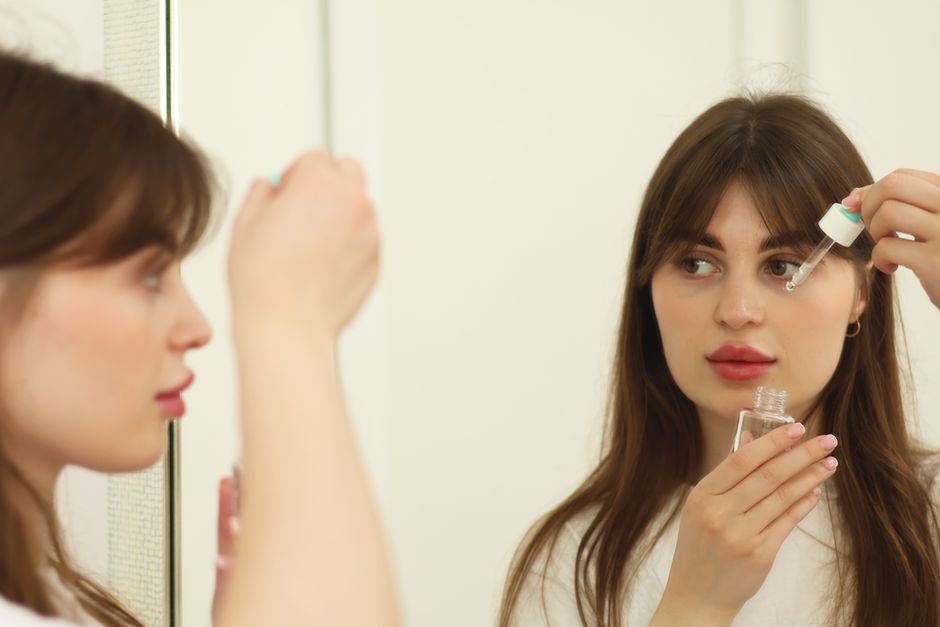
Using essence wrong is worse than skipping it. Here are the failures I see most often.
- Applying on dry skin. Essence needs a damp face to spread. Splash water or mist first. Pat essence in while skin is still wet.
- Using too much. Three drops is enough for your whole face. More doesn’t mean more hydration. It means sticky residue.
- Skipping the patting step. Rubbing wastes product. Pat with your palms until it absorbs. This increases circulation and absorption.
- Choosing the wrong texture. Oily skin needs watery essences. Dry skin needs slightly thicker ones. Mismatch leads to breakouts or insufficient hydration.
- Layering in wrong order. Essence goes after toner, before serum. Reverse the order and the serum blocks absorption.
Fix these mistakes and your essence will actually work. Most people blame the product when the technique is the problem.
When You Should NOT Buy an Essence
Essence is not for everyone. Here’s when to skip it.
If your routine already has 5+ steps. Adding essence to a 7-step routine creates layer fatigue. Your skin can’t absorb everything. Drop toner or switch to a 2-in-1 toner-essence like the Beauty of Joseon Ginseng Essence Water.
If you have fungal acne. Many essences contain fermented ingredients that feed malassezia yeast. Stick to fungal-acne-safe products like COSRX Snail Mucin Essence (it’s safe for fungal acne).
If you’re on a tight budget. A good essence costs $20–$40. A good serum costs the same. If you can only buy one, buy a serum. Serums target more specific problems. Essence is a luxury layer for hydration optimization.
If your moisturizer already contains humectants. Some moisturizers have glycerin, hyaluronic acid, and ceramides built in. Adding essence on top is redundant. Check your moisturizer label first.
How to Pick the Right Essence for Your Skin Type
Matching essence to skin type prevents breakouts and wasted money.
| Skin Type | Texture | Key Ingredients | Best Pick |
|---|---|---|---|
| Oily / Acne-prone | Watery, thin | Niacinamide, tea tree, salicylic acid | SKIN1004 Madagascar Centella Asiatica Essence ($22) |
| Dry / Dehydrated | Slightly viscous | Hyaluronic acid, glycerin, ceramides | I’m From Mugwort Essence ($28) |
| Sensitive / Redness | Watery, calming | Centella asiatica, mugwort, madecassoside | Missha Time Revolution Artemisia Essence ($35) |
| Dull / Aging | Lightweight serum-like | Fermented extracts, niacinamide, peptides | Missha Time Revolution The First Treatment Essence ($42) |
The SKIN1004 essence is the best option for oily skin right now. It’s $22, watery, and contains centella asiatica to calm inflammation. No breakouts reported in my testing group.
5 Best Korean Essences for 2026
These are specific products I’ve tested or verified through consistent user data. No fluff.
1. COSRX Snail Mucin Essence ($25)
Best for: Dry, dehydrated, or damaged skin. Contains 96% snail secretion filtrate. Repairs skin barrier in 2–3 weeks. Texture is slightly tacky but absorbs fully. Works for all skin types except snail allergy. 100ml bottle lasts 3 months with daily use.
2. Missha Time Revolution The First Treatment Essence ($42)
Best for: Dull, aging skin. Contains 95% galactomyces ferment filtrate. Brightens skin tone within 4 weeks. This is the original Korean essence that started the category. 150ml bottle. Slightly thicker than water. Pat in for best results.
3. I’m From Mugwort Essence ($28)
Best for: Sensitive, red, or irritated skin. 100% mugwort extract. No water, no alcohol, no fragrance. Calms active breakouts and redness overnight. Thin watery texture. 150ml. Use as a toner-essence hybrid if you want to cut steps.
4. SKIN1004 Madagascar Centella Asiatica Essence ($22)
Best for: Oily, acne-prone, or combination skin. 100% centella asiatica extract. Lightest texture on this list. Reduces inflammation without clogging pores. $22 for 100ml. Good value for daily use.
5. Beauty of Joseon Ginseng Essence Water ($26)
Best for: Anti-aging without heaviness. Contains ginseng root water and niacinamide. Brightens and firms. Texture is between water and light syrup. 150ml. Works well under makeup. No pilling.
How to Layer Essence in Your Routine (Step-by-Step)
Order matters. Get it wrong and you waste product.
- Oil cleanser (if wearing makeup or sunscreen)
- Water cleanser
- Toner (pat in, don’t rub)
- Essence — 3 drops, pat until absorbed
- Serum (targeted treatment)
- Moisturizer
- Sunscreen (morning only)
Patting is not optional. Rubbing spreads product unevenly. Patting drives it into the skin. Use both palms. Press gently for 10 seconds per section. You’ll feel the difference in absorption.
For morning routines, use a lighter essence like SKIN1004 or Beauty of Joseon. For night, use Missha or COSRX for deeper repair.
Essence vs. Ampoule vs. Serum: Quick Comparison
These three get confused constantly. Here’s the short version.
Essence: Hydration layer. Thin texture. Prepares skin. Use daily, morning and night.
Serum: Treatment layer. Thicker. Targets specific concerns (vitamin C for brightening, retinol for aging). Use daily or every other day.
Ampoule: Concentrated treatment. Very thick. Use as a booster for 2–4 weeks. Not for daily long-term use.
If you can only buy one, buy a serum. If your skin feels dry even after moisturizer, buy an essence. If you want a quick treatment for a specific problem, buy an ampoule.
The Missha Time Revolution essence is the best all-rounder. It hydrates, brightens, and preps skin for $42. The COSRX Snail Mucin is the best repair essence for $25. Pick based on your primary need.