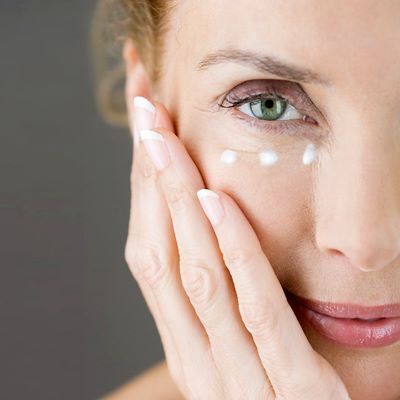
The verdict is simple: use broad-spectrum SPF50 on exposed skin during June, even when Britain serves up grey skies, light rain, or a cool 16°C afternoon. Clouds reduce visible sunlight and can lower UVB levels, but they do not remove ultraviolet exposure, especially UVA, which contributes to pigmentation and long-term skin ageing. Your daily risk rises when you walk to work, sit beside a bright window, eat lunch outside, drive, garden, or spend several hours near reflective surfaces such as water and pale paving. The right habit is not to panic and reapply every few minutes; it is to apply enough sunscreen before daylight exposure, then top it up when time outdoors, sweat, rain, swimming, or towel drying removes part of the layer. For June 2026, the strongest routine for most adults is SPF50 on the face, ears, neck, and other uncovered areas, plus clothing and shade when the UV index reaches a level that makes exposure meaningful. A low UV reading and a short indoor day may call for less fuss, but grey weather alone is not a reason to skip protection.
Cloud cover lowers brightness, not your SPF duty
UVA and UVB behave differently
Sunburn is mainly linked to UVB, while UVA reaches deeper into the skin and plays a large role in persistent pigmentation and photoageing. Cloud cover can reduce UVB more noticeably than UVA, which is why a cool day may feel harmless while uncovered skin still receives meaningful exposure. The effect changes with cloud type, thickness, time of day, altitude, and reflection from nearby surfaces.
The UV index is the useful daily number
Temperature is a poor guide to sun exposure. A chilly June day can have a higher UV index than a warm spring morning. Check the Met Office or another trusted local forecast before a long walk, outdoor lunch, sports session, or day trip. When the UV index reaches 3 or above, take sun protection seriously. The number does not tell you how much sunscreen to apply; it tells you how much environmental exposure deserves protection.
Windows and short trips still count
A five-minute trip to the station is not the same as six hours at a summer festival, so the routine should match the exposure. A person working beside a sunny window, commuting by car, or walking between meetings may accumulate more daily UVA than someone who stays in a shaded room. The clear recommendation is SPF50 for exposed facial skin on June days with regular outdoor movement. Add a hat, sunglasses, or shade when the UV index is high. Sunscreen works as one layer of protection, not as permission to stay outside indefinitely.
How much sunscreen should you apply in June?
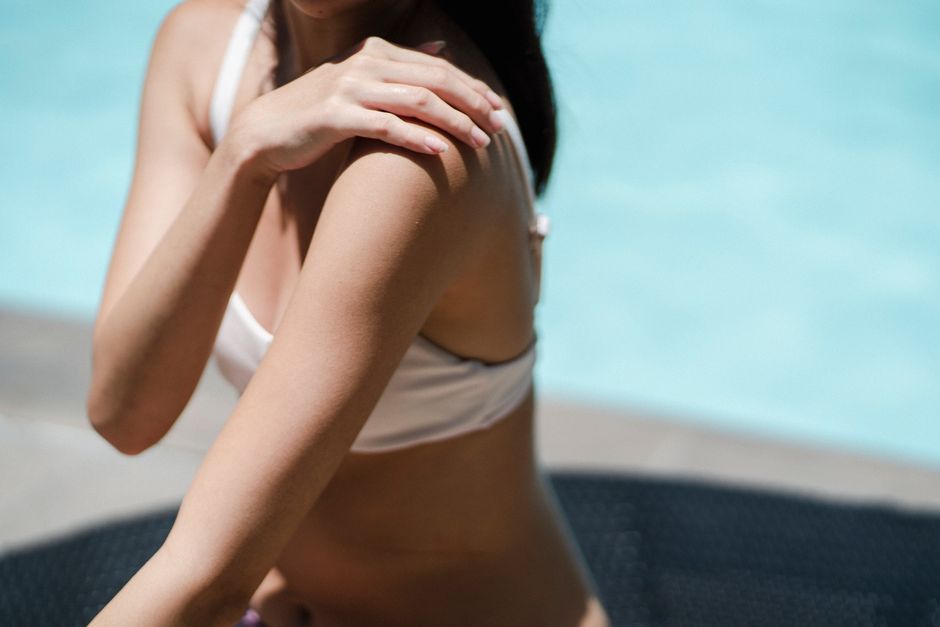
Most sunscreen failures come from an uneven, thin layer rather than a weak label. Use this practical routine for the face and nearby exposed areas:
- Apply before leaving home. Put sunscreen on after moisturiser and before makeup, ideally 15 minutes before walking into sustained daylight. Give the film time to settle, especially if the formula feels wet or slippery at first.
- Use a two-finger amount for face and neck. Squeeze two lines of product along the length of your index and middle fingers. This is a simple estimate for an adult face and neck. Larger faces, exposed ears, or a low hairline need more.
- Split the application into two passes. Apply half across the forehead, cheeks, nose, and chin, then apply the rest after the first layer settles. This reduces missed edges and makes pilling less likely.
- Cover forgotten zones. Ears, eyelids if the product is suitable, hairline, lips, neck, and the backs of hands are common gaps. A face-only routine leaves the neck and ears exposed.
- Reapply after removal. Top up after swimming, heavy sweating, towel drying, wiping your face, or several hours outside. During ordinary office time, a fixed two-hour alarm is not always needed if the original layer stayed intact, but outdoor activity changes the calculation.
- Do not trust makeup alone. Foundation or moisturiser with an SPF may add support, but people rarely apply enough makeup to reach the labelled protection. Treat dedicated sunscreen as the main protective layer.
The practical verdict is quantity over clever packaging. SPF30 applied thinly can give less real protection than SPF50 applied generously, and a high number cannot rescue a patchy application. If the formula pills, stings, or feels so heavy that you use a tiny amount, the problem is the routine, not your skin.
Which SPF formulas suit different skin concerns?

What works for dry or dehydrated skin?
For dry or normal skin, Beauty of Joseon Relief Sun: Rice + Niacinamide SPF50+ PA++++ comes in a 50ml size and has a creamy, moisturising texture. Its rice extract and niacinamide formula suits people who dislike the tight feel that some high-protection fluids leave behind. The clear verdict is that this is the most appealing option of these examples for a dry-skin routine, provided the dewy finish does not make makeup slide. Its 50ml size also makes the two-finger method easy to measure, although the product can run out quickly when used correctly.
What is the safer starting point for sensitive skin?
La Roche-Posay Anthelios UVMune 400 Invisible Fluid SPF50+ is a 50ml facial sunscreen designed for very high UVA and UVB protection. The formula uses Mexoryl 400 and is described as resistant to water, sweat, and sand. For sensitive skin, it is the clearest starting point among these products because the light fluid format and high protection suit daily exposure without a heavy cream layer. Still, sensitive skin can react to any formula. Patch test near the jaw before committing to the full face, and stop if burning or a lasting rash appears.
Which option suits oily or blemish-prone skin?
Garnier Ambre Solaire Super UV Niacinamide Anti-Imperfections SPF50+ comes in a 40ml format and combines niacinamide, salicylic acid, and zinc PCA in a stated 3.5% blend. Garnier gives the formula a 12-hour mattifying claim. That makes it the sharpest pick for oily skin among these examples, especially for someone who rejects sunscreen because of shine. The trade-off is that salicylic acid may feel drying or irritating when paired with strong acne treatments, so it is not the automatic choice for a damaged skin barrier.
What suits someone who wants a simple hydrating fluid?
Garnier Ambre Solaire Super UV Hyaluronic Acid SPF50+ Protection Fluid is a 40ml facial formula with hyaluronic acid and a lightweight finish. It is the most practical choice here for someone who wants a familiar daily texture without a rich cream feel. Product selection should follow wearability: a formula that allows the correct amount every morning beats a premium sunscreen that sits unused in a drawer.
Common cloudy-weather SPF mistakes and when to change the plan
My strongest recommendation is to build the routine around exposure, not weather mood. A grey sky is not a reliable exclusion from UV protection, but sunscreen is not a substitute for sensible limits outdoors.
- Skipping sunscreen because it is raining: rain changes comfort, not the basic need to check the UV index or protect exposed skin during long outdoor periods.
- Using one small pump for the whole face: a thin film lowers the protection you actually receive. Measure with two finger lengths for face and neck, then adjust for exposed ears and a low neckline.
- Applying once before an all-day event: sweat, rubbing, swimming, and towel drying remove product. Carry enough for a proper top-up instead of treating the first application as permanent.
- Choosing SPF by texture alone: a pleasant finish matters because it affects use, but SPF50 with strong UVA protection should remain the starting point for prolonged June exposure.
- Buying more actives when the skin barrier is sore: stinging, cracking, or a rash calls for a simpler routine and medical advice if it persists. A higher number on the bottle will not fix irritation.
- Ignoring clothing: hats, sunglasses, sleeves, shade, and timing reduce exposure in ways sunscreen cannot match. This matters most for long walks, gardening, sport, and travel.
Do not buy a new sunscreen simply because it has a fashionable ingredient, a glowing finish, or a large protection claim. Change formulas when the current one causes irritation, pills under makeup, leaves you unable to apply enough, or fails to suit the day’s activity. For most cloudy British June days, the specific recommendation is SPF50 on exposed skin every morning, a generous two-finger application, and a reapplication after meaningful outdoor exposure or product removal.