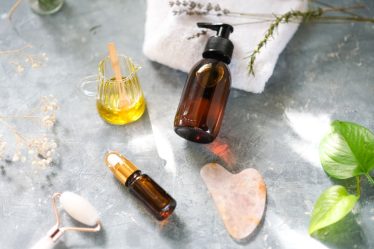
Is your skin tight, flaky, stingy, and somehow oilier at the same time every January? Mine used to be. I kept adding acids, masks, new serums, and stronger moisturizers, then wondered why my face burned when I applied plain water. The fix was less exciting and far more useful: stop chasing every symptom, reduce the routine, and seal in moisture with one gentle oil or balm.
This is my January dry-skin rescue plan after years of testing products that looked soothing on the label but made my face angrier. The clear winner for most dry, sensitive skin is a short routine built around a gentle cleanser, a plain moisturizer, and one final sealing layer.
My verdict: January dryness needs fewer actives, not a stronger routine
Why cold-weather dryness feels worse than ordinary dryness
January combines several problems at once. Cold air holds less moisture than warm air, indoor heating dries the room further, and wind strips water from the skin’s surface. Hot showers add another hit because heat can wash away some of the oils that help keep the outer layer comfortable. The result is not always simple dryness. You may see flakes around the nose, rough cheeks, sudden sensitivity, tightness after cleansing, or small bumps caused by an overloaded routine.
The skin barrier is the first thing to protect. Think of it as a flexible wall made from skin cells, fats, and water. When that wall has enough lipids and moisture, products feel normal. When it is irritated, even a familiar vitamin C serum or retinoid can sting. Adding more treatment at that point rarely solves the root problem.
What fewer actives actually means
For two weeks, pause exfoliating acids, scrubs, retinoids, strong vitamin C, clay masks, and fragranced face oils. Keep sunscreen in the morning if you will be outside. A pause does not erase your progress. It gives you a clean baseline, so you can tell the difference between real improvement and temporary shine.
My rule is simple: if a product tingles on calm skin, it does not belong on cracked or burning skin. Wash with lukewarm water, pat instead of rubbing, and apply moisturizer while the face is still slightly damp. Use an oil or ointment last. Oil cannot add water to dry skin by itself; it mainly slows the water already present from leaving.
My verdict: choose an oil as a seal, not as your whole moisturizer
Does dry skin need oil or water?
It needs both, but they do different jobs. Water-based products add water and humectants. Creams add softening ingredients and barrier-supporting fats. Oils smooth the surface and help reduce moisture loss. If you apply oil to completely dry, tight skin, you may get a smoother finish without much comfort. That is why the best order is damp skin, cream, then a few drops of oil or a thin balm.
Which oil texture is safest for a reset?
Start with a one-ingredient or very short ingredient list. Squalane is my first choice because it feels light, spreads easily, and does not smell like a salad dressing. Jojoba oil is another reasonable option for people who want a slightly richer slip. Rosehip oil can feel pleasant, but it has more natural compounds that may bother reactive skin, so I would not make it the first test during a flare.
Skip essential oils, heavily scented blends, and products that promise instant brightening through a mix of ten botanical extracts. A winter rescue should be boring. Patch test on the jaw or behind the ear for three nights, then use one drop on one cheek before applying it everywhere. If the area becomes itchy, hot, swollen, or more textured, stop.
My product verdict: The Ordinary Squalane wins for a simple oil step
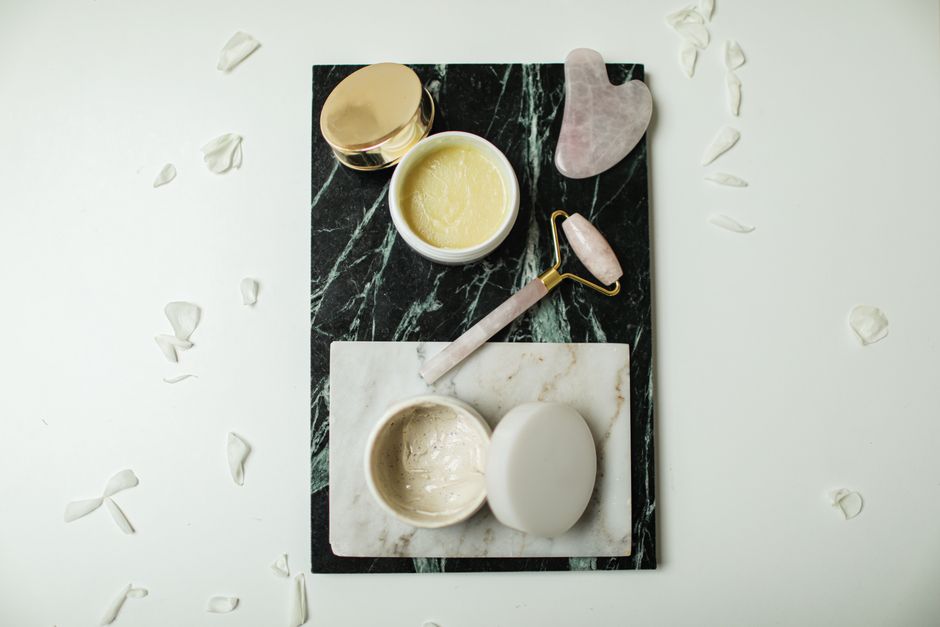
Shortlist for January dry skin
| Product | Size and typical price | Why I would buy it | Best use |
|---|---|---|---|
| The Ordinary 100% Plant-Derived Squalane | 30 ml, $10.40 | One ingredient, water-free, light texture | Final layer over moisturizer |
| CeraVe Healing Ointment | 5 oz, about $19.99 | 46.5% petrolatum, ceramides, fragrance-free | Cracks, lips, nose, overnight sealing |
| Vanicream Moisturizing Cream | 16 oz, usually $14–$18 | No botanical extracts or essential oils | Plain cream for face and body |
| La Roche-Posay Lipikar AP+M Triple Repair Cream | 13.52 oz, usually $20–$25 | Rich body cream with a comfortable spread | Very dry cheeks, neck, and hands |
| Pai Rosehip BioRegenerate Oil | 30 ml, usually $44–$49 | Richer rosehip oil texture | Non-reactive dry skin that dislikes light oils |
The best first buy is The Ordinary Squalane. At $10.40 for 30 ml, it is cheap enough to test and simple enough to troubleshoot. Use two drops over moisturizer at night. If your face still feels tight, the missing step is probably a richer cream or ointment, not five more drops of oil.
How I would spend the money
For the lowest-cost reset, buy Vanicream Moisturizing Cream and The Ordinary Squalane. For cracked skin, replace the oil with CeraVe Healing Ointment on the worst patches. I would choose Pai Rosehip Oil only after the skin feels calm, because a richer botanical oil is a preference purchase rather than the safest emergency option.
My strongest advice: stop buying exfoliating products when your skin is already peeling
The mistakes that keep January dryness going
Do not scrub flakes off. Flakes are not a challenge to remove; they are a sign that the surface needs a gentler routine. Scrubbing can leave tiny irritated areas that make every later product sting.
Do not layer oil under a strong active. A heavy oil layer can make some treatments feel more intense by slowing how quickly they sink in. Save the oil for the end of the routine, and pause the active until the skin feels normal.
Do not confuse fragrance with comfort. A rose, citrus, or lavender scent may make a product feel luxurious, but fragrance can be a poor match for cracked skin. During a rescue period, bland is a feature.
Do not cover your whole face in ointment by default. Petrolatum works well as a protective seal, but a thick layer may feel too heavy and can worsen congestion for some people. Start with the mouth corners, nostrils, eyelids, or individual dry patches.
When I would choose something else
Skip facial oil if you have an active rash, swelling, oozing, or intense itching that does not settle. Choose medical advice instead of experimenting. Skip rosehip oil if scented or botanical products have caused reactions before. Skip a rich ointment over areas that repeatedly develop clogged pores; use it only on the cracked zones and keep a lighter cream elsewhere.
My clear buying rule is this: if a product offers ten benefits but contains several fragrant extracts, it is the wrong January purchase. Buy the plain moisturizer first.
January dry-skin questions I would answer before buying anything
Can I use The Ordinary Squalane every night?
Yes, if your skin tolerates it. Start with one drop over moisturizer for three nights. Increase to two or three drops only if the skin still feels tight. The formula is 100% plant-derived squalane in a 30 ml bottle, so there is no need to build a complicated routine around it. If you develop itching or small new bumps, stop for a week and test your moisturizer alone.
Is CeraVe Healing Ointment better than oil?
For cracks, chafing, or skin that burns in cold wind, yes. CeraVe Healing Ointment uses 46.5% petrolatum and also contains ceramides and hyaluronic acid. It forms a stronger protective layer than a light facial oil, which is why I prefer it around the lips, nostrils, and broken-feeling patches. It is not my favorite full-face daytime product because it can feel heavy and shiny.
What if my skin is dry but acne-prone?
Use the smallest effective amount. Vanicream Moisturizing Cream is the better starting point than a rich botanical oil because its formula has no essential oils or botanical extracts and comes in a 16 oz size that keeps the cost per use low. Apply cream to the whole face, then use one drop of squalane only on the cheeks. Do not put ointment over every blemish.
For January 2026, my routine stays simple: gentle cleansing at night, a plain cream on damp skin, and one sealing layer where dryness actually appears. If the skin is painful, persistently red, or cracked enough to bleed, a dermatologist is more useful than another product order.