Your cheeks feel hot after a ten-minute walk. Your nose itches, your eyelids sting, and the moisturizer that worked all winter suddenly burns. Then the wind picks up, pollen counts rise, and you start adding stronger products to fix the rough patches. That move often makes the problem larger. Seasonal skin trouble usually comes from …

Skin Care
What Age to Start Anti-Aging Cream: The Skin Timeline Explained
Picture this: you’re 24, standing in a pharmacy aisle, holding a retinol night cream. The woman beside you — clearly in her 50s — glances over and says, “You’re too young for that.” Two weeks later, your 38-year-old coworker announces she’s still waiting until she “actually needs it.” Both of them are operating on outdated …
Atomy Body Lotion Review: Hydration, Texture, and Skin Comfort
The average humidity level inside a commercial aircraft cabin during a long-haul flight typically fluctuates between 10% and 20%. To provide context, the Sahara Desert maintains an average humidity of approximately 25%. For daily users, this environment represents a sustained assault on the skin’s moisture barrier, leading to transepidermal water loss (TEWL) that can cause …
Minimalist Herbal Skincare Routine for Busy Mornings Under 5 Minutes
Discover how to build a minimalist herbal skincare routine for busy mornings with quick natural steps for glowing, healthy skin.
March Skin Reset: One Gentle Active at a Time
By the first warm week of March, my skin usually looks confused: dry around the mouth, shiny across the forehead, and suddenly annoyed by products I used all winter. The tempting response is to scrub harder, add a new acid, start retinol, and buy a brightening serum in the same week. I have made that …
March Skin Reset: One Active, Fewer Reactions
Skin renewal is often described as a 28-day process, but adult epidermal turnover can take roughly 40 to 56 days. That makes a four-day product challenge a poor test. A March skin reset works better as a controlled trial: keep the cleanser, moisturizer, and sunscreen stable, then add one active at a time. The goal …
Patch Testing for Sensitive Skin: A February Calm Plan
February is a risky month for a sensitive-skin experiment: cold air pulls moisture away while indoor heating leaves cheeks tight, itchy, or suddenly red. That is when a new serum can turn a small hope into a week of damage. The safest answer is not to avoid every new product. It is to test one …
Lip And Hand Care Indoor Heating: Lip and Hand Care That Survives Indoor Heating
You sit beside a radiator or forced-air vent for eight hours, drink coffee, wash your hands, and finish the day with tight skin, peeling lips, and painful splits around your knuckles. The common mistake is blaming dehydration alone. Indoor heating dries the air, but the bigger problem is repeated moisture loss from warm air, hot …
The Truth About January Dry-Skin Rescue With Fewer Actives
Is your skin tight, flaky, stingy, and somehow oilier at the same time every January? Mine used to be. I kept adding acids, masks, new serums, and stronger moisturizers, then wondered why my face burned when I applied plain water. The fix was less exciting and far more useful: stop chasing every symptom, reduce the …
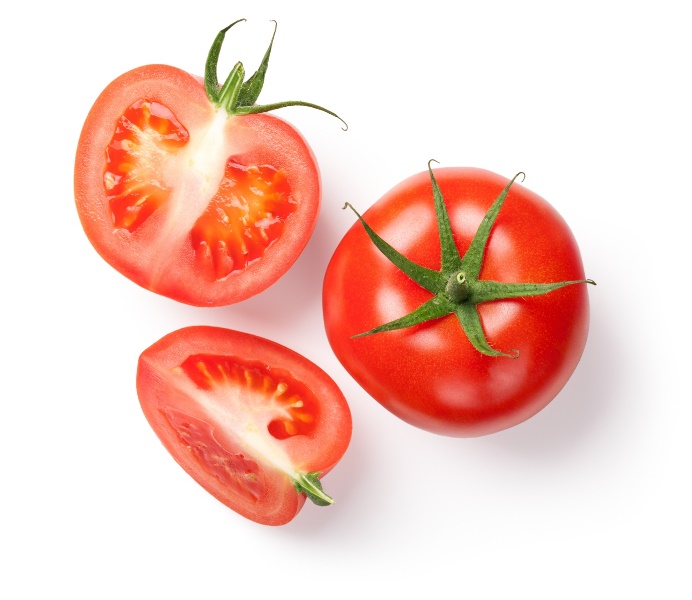
Tomatoes are a great source of vitamins and minerals for the skin.
The tomato is a slightly acidic fruit and contains large amounts of vitamin C and potassium. This transforms dull skin and brings back its glow. Lycopene is also found in tomatoes, an antioxidant that fights free radicals. Tomato skin care is a natural way to treat skin issues related to sun damage, aging, and skin …