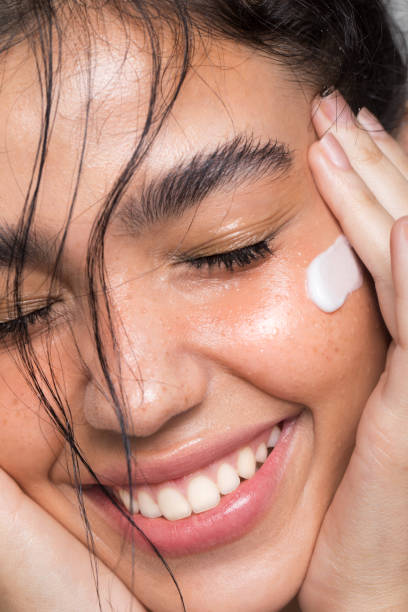
Have you ever applied a light moisturiser before leaving for lunch, only to feel your cheeks tighten as soon as wind and sunlight hit your face? A watery gel can feel elegant indoors but leave dry, sensitive skin exposed to the very conditions that make it uncomfortable outside. The answer is not always a thick cream. It is a formula that adds water, slows water loss, and provides reliable UV protection without making you want to wipe your face clean.
This guide discusses consumer skincare, not a state-specific cosmetics law. Product labels, sunscreen rules, and approved claims can differ by country and by state. This is not legal advice — consult a licensed attorney. The skincare recommendations below are based on listed ingredients, stated SPF ratings, texture claims, and current US list prices checked in October 2026; prices can change.
Why light moisturisers can fail outdoors
Outdoor discomfort starts with water loss
Skin does not become uncomfortable outside simply because a product feels light. Wind, low humidity, heat, and repeated contact with clothing or hands can all change how the surface behaves. The outer barrier contains water-binding substances, fatty acids, cholesterol, and ceramides. Together, they slow the movement of water from the deeper layers of skin to the air. When that barrier loses too much water, the result can be tightness, rough patches, stinging, or a greasy rebound as the skin tries to compensate.
A very thin gel may add humectants such as glycerin or hyaluronic acid, but humectants alone do not always hold up in dry wind. They attract water, while the skin still needs a light film to reduce evaporation. That is why the best outdoor moisturiser often feels slightly more substantial than a basic summer gel. It should spread quickly, then leave a flexible layer that stays comfortable under sunscreen or makeup.
Protection means more than a rich texture
A creamy feel does not prove that a product protects the skin. Protection comes from several separate jobs: reducing water loss, limiting UV exposure, resisting rapid breakdown from sweat, and allowing enough product to remain on the skin. A dense balm may reduce dryness but offer no SPF. A high-SPF lotion may protect against UV but feel too greasy for daily use. The strongest choice is the lightest formula that still meets the demands of the setting.
Verdict: choose a light lotion or gel-cream with humectants plus barrier-supporting ingredients, and use a separately tested facial sunscreen or SPF moisturiser for daytime exposure. A barely-there gel is not the winner if it leaves your face tight within an hour.
What outdoor protection actually requires
Use this four-part test before buying
- Check the UV label. For ordinary daytime errands, choose broad-spectrum SPF 30 or higher. For long outdoor periods, high-altitude travel, or intense sun, SPF 50 gives more protection on the label, provided you apply enough.
- Check the finish. A soft satin finish usually works better outdoors than a wet, glossy film that attracts hair, dust, and fingerprints. A fully matte finish can feel dry on dehydrated skin.
- Check the wear limits. A daily moisturiser with SPF is not automatically water resistant. If the label does not state water resistance, treat it as unsuitable for swimming, heavy exercise, or long periods of sweating.
- Check the reapplication plan. The product must be comfortable enough to apply again. A heavy cream that looks impressive at 8 a.m. but cannot be reapplied at noon has poor practical value.
SPF moisturiser and sunscreen are not identical
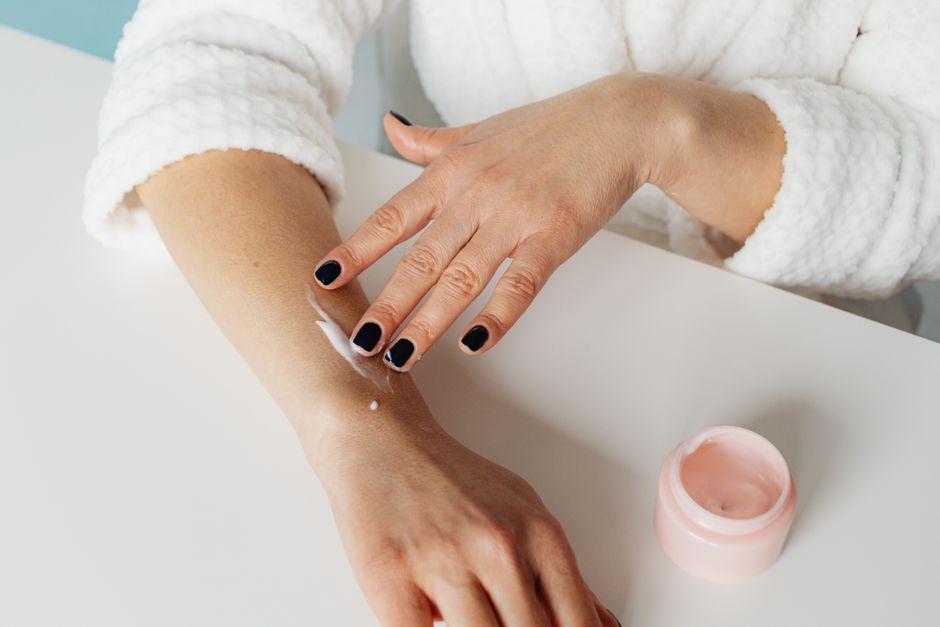
An SPF moisturiser can combine hydration and sun protection in one step, but the protection depends on applying a sufficient amount across the face, ears, hairline, and neck. Many people apply a thin layer because they are treating the product like a normal moisturiser. That creates a gap between the protection shown in testing and the protection received on the face.
For a short commute, desk work, and a few minutes outdoors, an SPF moisturiser may be a practical choice. For a beach day, hiking, gardening, or outdoor sport, a dedicated broad-spectrum sunscreen is the safer category. Add a hat, sunglasses, shade, and clothing. No moisturiser can turn prolonged direct sunlight into a low-risk situation.
Heat and wind change the texture you need
Hot, humid weather usually rewards a fluid or gel-cream with a low-tack finish. Cold, windy weather calls for more emollient support, even if the product still feels light after it settles. The clearest recommendation is to match the formula to the exposure, not to a fixed idea that lightweight always means better.
Which formula wins for each skin type
For most people who want one reliable daily answer, choose La Roche-Posay Toleriane Double Repair SPF 30. It has the best balance of barrier support and outdoor practicality for dry, normal, and sensitive skin. The other products win only in narrower situations, and those tradeoffs should be stated clearly.
Dry, sensitive, or wind-exposed skin
Choose La Roche-Posay Toleriane Double Repair SPF 30 first, with CeraVe AM SPF 30 as the lower-cost alternative. Both make more sense than a very thin gel if cold air or wind causes visible flaking. Apply a light hydrating layer underneath only if your skin still feels tight; piling on multiple products can create pilling and may tempt you to use too little SPF moisturiser.
For a dewier finish, Beauty of Joseon Relief Sun is the better pick. Its 50 ml tube and SPF50+ PA++++ rating suit ordinary commuting and bright daytime errands. It is not my choice for a sweaty hike because the product is positioned as a comfortable daily sunscreen, not a water-resistant sport formula.
Oily, acne-prone, or makeup-wearing skin
EltaMD UV Clear SPF 46 is the strongest specialist choice when oil, blemishes, or rosacea concerns make richer lotions unpleasant. It is not cheap, but the oil-free 1.7 oz formula and 5% niacinamide give it a clear reason to cost more. Isntree is the lighter-feeling alternative where it can legally be purchased, although its more hydrated finish may look shiny by midday on very oily skin.
For makeup, apply a thin but complete layer, allow it to settle, then press foundation over the face instead of rubbing aggressively. A product that pills under makeup is not automatically defective; it may be reacting to the products beneath it or to too much rubbing during application.
Why light moisturisers fail outside
The five mistakes that matter most
- Applying too little. A thin swipe cannot deliver the tested SPF. Use a generous, even layer over the face and extend it to the ears, hairline, and neck.
- Skipping reapplication. Sweat, wiping, touching, and time reduce the practical film on the skin. Reapply after heavy sweating and during long outdoor exposure.
- Treating SPF 30 as a water shield. Unless the label gives a water-resistance time, do not use a daily moisturiser as your only product for swimming or sport.
- Choosing a finish you dislike. If a formula feels sticky, you may avoid using enough of it. A slightly less elegant product that you apply correctly is the better legal and practical position.
- Changing several products at once. If your skin reacts, you will not know which formula caused the problem. Introduce one item, use it for several days, and stop if burning or persistent redness develops.
When not to buy an SPF moisturiser
Do not buy an SPF moisturiser as your main outdoor product for a beach day, long hike, open-water activity, or heavy training session unless the label clearly supports that use. Choose a dedicated broad-spectrum sunscreen with stated water resistance, then use a hat, sunglasses, shade, and protective clothing. The moisturiser category exists for convenience and daily comfort. It is not a substitute for every form of sun protection.
The strongest failure-mode verdict
The biggest mistake is buying for texture alone. A silky gel that you apply once at 7 a.m. may provide less real-world protection than a modest lotion that you apply evenly and reapply at lunch. For outdoor skincare, consistent use beats an impressive first impression.
Questions to settle before you leave home
Can a light moisturiser replace sunscreen?
Sometimes, for short everyday exposure, if it carries a broad-spectrum SPF and you apply enough. For prolonged direct sun, sweat, water, or sport, choose a dedicated sunscreen with the wear claims that match the activity. The product label sets the legal claim; your application amount and exposure set the practical result.
Should I moisturise before applying SPF?
If your SPF moisturiser already leaves your skin comfortable, no extra cream is required. If your skin is dry, apply a thin, fragrance-free moisturiser first and let it settle before the SPF layer. Do not add several rich products simply because the weather is cold; too many layers can pill, migrate into the eyes, or make you under-apply the protective layer.
Which product should I choose for the original tight-cheek problem?
Choose La Roche-Posay Toleriane Double Repair SPF 30 for sensitive or wind-exposed skin, CeraVe AM SPF 30 for the best lower-cost barrier-supporting option, or Beauty of Joseon Relief Sun SPF50+ PA++++ if you prefer a lighter, dewier finish. The person who started with tight cheeks does not need a heavy balm. They need enough barrier support, a properly applied SPF layer, and a formula comfortable enough to use again when lunch turns into an afternoon outdoors.