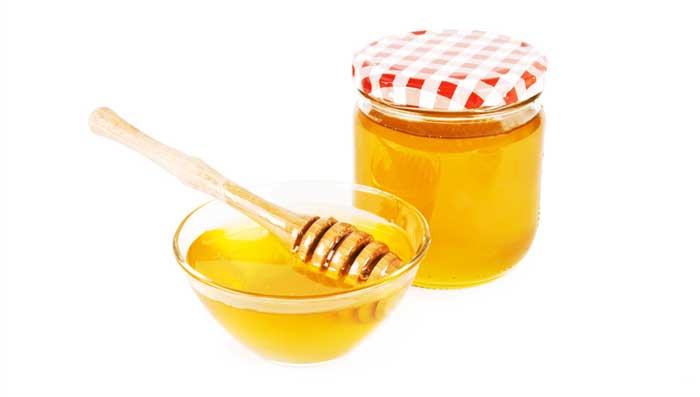
I’ve been using honey on my face for five years. Not as a gimmick — as a legit replacement for three products I used to buy. The question is: does honey actually do anything for your skin, or is it just sticky Instagram hype?
Short answer: it works, but only if you use the right type and apply it the right way. Get it wrong and you’re just wasting time and making a mess. Here’s what I’ve learned.
Why Honey Works for Skin (The Science Without the Fluff)
Honey isn’t magic. It’s a humectant — it pulls moisture from the air into your skin. That’s the same mechanism in hyaluronic acid serums that cost $60 a bottle. A jar of raw honey costs $8.
But here’s what most articles don’t tell you: not all honey is created equal. The antibacterial properties that people rave about come from hydrogen peroxide, which is naturally produced when honey comes in contact with moisture. That only happens in raw, unprocessed honey. The clear, filtered honey in the bear-shaped bottle at the supermarket? It’s been heated to 160°F, which kills the enzymes that produce hydrogen peroxide. You’re basically putting sugar water on your face.
The Three Things Honey Actually Does
- Moisturizes without clogging pores — humectant action means water gets drawn into the stratum corneum. Unlike oils, honey won’t trigger breakouts for most people.
- Gentle antibacterial action — the hydrogen peroxide effect is mild enough not to damage skin barrier, strong enough to reduce surface bacteria that cause acne.
- Enzymatic exfoliation — raw honey contains glucose oxidase, an enzyme that gently breaks down dead skin cells. It’s not as strong as glycolic acid, but it’s far less irritating.
Manuka honey (the kind from New Zealand, with a UMF rating of 10+) takes this further. It has additional antibacterial activity from methylglyoxal that doesn’t rely on hydrogen peroxide. A jar of Manuka honey UMF 15+ runs about $45 for 250g. I use it only for spot treatments on cystic acne — the regular raw honey works fine for daily use.
How to Use Honey as a Face Wash (The Method That Actually Works)
I replaced my morning cleanser with honey two years ago. Here’s the exact routine I’ve settled on after plenty of trial and error.
Start with dry hands and a dry face. Take about half a teaspoon of raw honey — I use Y.S. Eco Bee Farms Raw Honey ($12 for 16oz) — and warm it between your palms for five seconds. Press it onto your face, don’t rub. Let it sit for 30 seconds. Then add a few drops of water and massage gently for another 30 seconds. Rinse with lukewarm water.
Why This Works Better Than the “Honey Mask” Trend
Most people slap honey on their face, leave it for 20 minutes, and rinse. That’s fine for a mask, but as a daily cleanser, the key is the emulsification step. Honey is water-soluble but thick. When you add water and massage, it creates a light emulsification that lifts dirt and excess oil without stripping your skin. My combination skin went from needing a moisturizer after every wash to not needing one half the time.
The downside: honey is sticky. If you have long hair, tie it back. If you’re in a hurry, skip this — it adds about 90 seconds to your routine. I don’t use it as a makeup remover either. For that, I still use Banila Co Clean It Zero Cleansing Balm ($18) first, then follow with honey.
Honey Face Masks for Different Skin Types
Not all honey masks are the same. What works for my oily T-zone would break out my dry-skinned friend. Here’s what I’ve tested and what actually delivered results.
| Skin Type | Honey Mix | Leave On | Frequency | Result |
|---|---|---|---|---|
| Oily / Acne-prone | 1 tsp raw honey + 1 drop tea tree oil (Thursday Plantation, $9) | 10 minutes | 3x per week | Reduced active breakouts by about 40% in 2 weeks |
| Dry / Dehydrated | 1 tsp raw honey + 1/2 tsp avocado oil | 15 minutes | 2x per week | No more flaking around nose after 3 applications |
| Dull / Uneven tone | 1 tsp raw honey + 1/4 tsp turmeric powder (Simply Organic, $6) | 10 minutes | 1x per week | Brighter complexion, but turmeric can stain — use an old towel |
| Sensitive / Redness | 1 tsp Manuka honey UMF 10+ + 1 tbsp colloidal oatmeal (Aveeno, $8) | 12 minutes | 2x per week | Calmed redness within 24 hours |
The turmeric mask is the one I get asked about most. Yes, it works. Yes, it stains everything yellow. Wear a dark shirt, use a dark towel, and rinse in the shower. The stain on your face washes off with your next cleanse — don’t panic.
When Honey Will Make Your Skin Worse (Yes, Really)
I learned this the hard way. Honey is not for everyone, and pretending it is does a disservice to people who try it and break out.
If you have fungal acne (Malassezia folliculitis), skip honey entirely. Honey is a sugar. Sugar feeds yeast. Fungal acne is caused by yeast overgrowth, not bacteria. Putting honey on fungal acne is like pouring gasoline on a fire. I made this mistake for two weeks before I figured out what was happening. The bumps got redder and more numerous. If your “acne” is itchy and appears in clusters on your chest, back, or forehead, see a dermatologist before trying honey.
Also: don’t use honey if you’re allergic to bees or pollen. Obvious, but people ask. The proteins in honey can trigger allergic reactions, including contact dermatitis. Test on your inner arm first.
And one more thing — don’t leave honey on overnight. I see this recommended on Pinterest constantly. Honey is humectant, meaning it pulls moisture from the air. But if the air in your bedroom is dry (below 40% humidity), honey will pull moisture from your skin instead. You’ll wake up with tighter, drier skin. Keep masks to 20 minutes max.
Comparing Honey to Store-Bought Skincare Products
I’m not anti-product. I have a shelf full of serums and moisturizers. But for specific jobs, honey beats them on both price and performance.
Honey vs. Hyaluronic Acid Serum: The The Ordinary Hyaluronic Acid 2% + B5 ($8) is the gold standard for hydration. Honey does the same job for about the same price per ounce, but honey is stickier and less cosmetically elegant. Winner: The Ordinary for daytime wear under makeup. Winner: honey for nighttime or at-home masking.
Honey vs. Salicylic Acid Cleanser: The CeraVe Salicylic Acid Cleanser ($14) is better for active, inflamed acne. Honey is better for maintenance — preventing breakouts rather than treating them. I use both: CeraVe at night, honey in the morning.
Honey vs. Benzoyl Peroxide Spot Treatment: PanOxyl 10% Benzoyl Peroxide ($10) kills acne bacteria faster than honey. But it bleaches towels and pillowcases, and it dries out the surrounding skin. Manuka honey as a spot treatment takes longer (3-4 days vs. 1-2 days) but doesn’t damage skin barrier. I use PanOxyl for emergencies, honey for everyday maintenance.
The One Honey Product Worth Buying vs. The Ones to Skip
I’ve tried at least a dozen “skincare honey” products. Most are overpriced raw honey in fancy packaging. Here’s the breakdown.
Buy: Manuka Health MGO 400+ Manuka Honey ($32 for 250g). This is the sweet spot for price vs. potency. MGO 400+ (equivalent to UMF 10+) is strong enough for therapeutic use but not so expensive that you feel guilty using it as a face mask. I’ve used this for spot treatments on cystic acne for three years. It works.
Skip: Farmacy Honey Potion Ceramide Hydration Mask ($56 for 1.7oz). This is a whipped honey-based mask with ceramides. It smells amazing and feels luxurious. But the first ingredient is glycerin, not honey. You’re paying $56 for a product that’s mostly glycerin and fragrance. A jar of raw honey costs $12 and does more for your skin.
Skip: Glow Recipe Honey Moisturizer ($45 for 1.7oz). Same problem. Honey is far down the ingredients list. The moisturizer is fine — nice texture, pleasant scent — but you’re not getting honey benefits. You’re getting a standard moisturizer with honey marketing.
Buy: Local raw honey from a farmer’s market ($8-12 for 16oz). This is my daily driver. It’s unpasteurized, unfiltered, and contains pollen and propolis — both beneficial for skin. The exact brand varies by region, but look for “raw” and “unfiltered” on the label. If it’s crystallized, that’s fine. Gently warm the jar in warm water (not boiling) to liquefy it.
How to Store Honey for Skincare (Don’t Ruin It)
Most people keep honey in the pantry and forget about it. That works for eating, but for skincare, storage matters.
Heat destroys the enzymes that make honey useful for skin. Keep your skincare honey at room temperature — 60-75°F. Never in the fridge (crystallization speeds up) and never near the stove (heat degrades it). A dark cabinet away from the oven is ideal.
Moisture is the enemy. Honey is hygroscopic — it absorbs water from the air. If you dip a wet spoon into the jar, you’re introducing water that can ferment the honey. Use a clean, dry spatula every time. If you mix honey with other ingredients (like turmeric or oil), mix only what you need for that application. Don’t mix into the whole jar.
Shelf life: raw honey doesn’t spoil, but its enzymatic activity decreases over time. For skincare, use it within 6 months of opening. Mark the date on the jar with a Sharpie. After 6 months, it’s still fine to eat — just less effective on your face.
The most important thing I’ve learned: honey is a tool, not a miracle. It replaces my morning cleanser and my hydrating mask. It doesn’t replace sunscreen, retinol, or a dermatologist. Use it for what it’s good at — gentle hydration and mild antibacterial action — and you’ll save money and simplify your routine. Expect it to cure your acne in three days and you’ll be disappointed.