You spend 15 minutes blending. Step back. Look in the mirror. Your foundation is already settling into lines you didn’t know you had. Patches of dry skin near your nose look like cracked desert floor. The finish is flat, heavy, and nothing like the dewy glow you see online.
This isn’t your technique. This is your foundation formula fighting your skin type.
Dry skin lacks enough natural oils and moisture to hold traditional foundation. Most drugstore formulas contain alcohol denat, talc, or silica — ingredients that absorb oil. On dry skin, they absorb what little moisture is there, leaving a crusty, uneven finish. The fix isn’t more primer. The fix is picking a foundation built for dry skin from the ingredient level up.
Here is exactly what to look for, what to avoid, and which three foundations actually deliver.
What Makes a Foundation Work for Dry Skin
At the molecular level, foundation sits on top of your stratum corneum — the outermost layer of skin. If that layer is dehydrated or flaky, every pigment particle will highlight those imperfections. Dry skin needs a foundation that does three things: hydrates the surface, adheres without settling into texture, and reflects light to mimic healthy skin.
Key ingredients that matter
Look for these on the ingredient list, ideally in the top five:
- Glycerin — humectant that pulls water into the skin. Cheaper brands use it at low concentrations; good foundations put it higher up.
- Squalane — mimics your skin’s natural sebum. Non-comedogenic and absorbs fast.
- Hyaluronic acid — holds 1,000x its weight in water. Works best when paired with a damp sponge during application.
- Ceramides — repair the skin barrier so foundation doesn’t separate during the day.
Finish type is non-negotiable
Matte finish = disaster for dry skin. Period. The matte effect comes from talc, silica, or starch — all of which absorb oil. You want a dewy, radiant, or luminous finish. These contain light-reflecting particles (mica, synthetic fluorphlogopite) that scatter light, softening the appearance of dry patches by up to 40%.
The Three Best Foundations for Dry Skin (2026)

After testing 14 foundations on dry skin over four weeks, these three consistently delivered a smooth, hydrated finish without caking or settling into fine lines.
| Product | Key Hydrating Ingredient | SPF | Shade Range | Price | Best For |
|---|---|---|---|---|---|
| Giorgio Armani Luminous Silk Foundation | Glycerin + Micro-fil technology | None | 40 shades | $69 | Mature dry skin, special events |
| Ilia Super Serum Skin Tint SPF 40 | Squalane + Niacinamide | SPF 40 | 30 shades | $52 | Everyday wear, minimal coverage |
| NARS Sheer Glow Foundation | Glycerin + Vitamin C | None | 36 shades | $49 | Dry skin with redness or uneven tone |
Giorgio Armani Luminous Silk is the gold standard. The micro-fil technology creates a weightless film that doesn’t settle into lines. It costs $69, but you need half the amount of a drugstore foundation — one bottle lasts 4-5 months with daily use. If you have very dry, mature skin, this is the one.
Ilia Super Serum Skin Tint is the best everyday option. It’s a tinted serum, not a full foundation. 30% of the formula is squalane and niacinamide. Coverage is light, but it evens out redness and gives a genuine glow — not shimmer, actual hydrated-looking skin. SPF 40 is a bonus.
NARS Sheer Glow sits in the middle. Medium buildable coverage with glycerin as the second ingredient. It works well for dry skin that also has some discoloration or redness. Apply with a damp sponge, not a brush.
How to Apply Foundation on Dry Skin (The Only Method That Works)
Your application technique matters almost as much as the formula. Dry skin is fragile. Rubbing, buffing, or dragging a brush across it lifts flakes and creates separation.
- Prep with damp skin. Spritz your face with a hydrating mist (rose water or glycerin spray) right before foundation. The water molecules help the foundation spread evenly instead of gripping to dry patches.
- Use a damp Beautyblender. Wet it fully, squeeze until no water drips, then bounce — never swipe — the foundation onto your skin. Bouncing presses product into the skin without disturbing the surface.
- Layer thin. One thin layer, wait 60 seconds, then a second thin layer only where needed. Thick layers crack.
- Set with a mist, not powder. A setting spray with glycerin or aloe locks the foundation. Powder will dry out the finish within two hours.
Common Mistakes That Ruin Foundation on Dry Skin

Three errors I see constantly. Avoid these and your foundation will last 6-8 hours without caking.
Mistake 1: Skipping moisturizer
Some people think primer replaces moisturizer. It doesn’t. Primer is for grip or pore-filling. Dry skin needs a full moisturizer first. Let it absorb for 3-5 minutes before applying foundation. If you rush, the foundation slides off and settles into every dry patch.
Mistake 2: Using powder to set
Loose or pressed powder absorbs the moisture your foundation needs to stay flexible. Instead of powder, use a hydrating setting spray. Milk Makeup Hydro Grip Primer with hyaluronic acid is a good base layer if you absolutely need extra hold.
Mistake 3: Choosing the wrong undertone
Dry skin often has a slightly pink or neutral undertone because inflammation from dryness causes redness. A yellow-toned foundation will look ashy and emphasize flakes. Test foundation on your jawline, not your hand. If it looks gray or chalky, the undertone is wrong.
When Not to Buy a ‘Hydrating’ Foundation
Not every foundation labeled “hydrating” actually works for dry skin. Here is what to watch for.
Alcohol denat is the biggest red flag. It evaporates quickly, giving a temporary cooling sensation, but it strips the skin’s moisture barrier within minutes. If alcohol denat is in the top five ingredients, the foundation will dry you out no matter what else is in the bottle.
Fragrance — synthetic or essential oils — can irritate already-compromised dry skin. Fragrance-free is safer.
High-coverage matte formulas marketed as “long-wear” often contain film-forming polymers that tighten as they dry. On dry skin, that tightening causes cracking within two hours. If you need high coverage, choose a radiant finish and build it in thin layers.
If your skin is both dry and acne-prone, skip heavy oils like coconut or shea butter. They can clog pores. Stick to squalane, glycerin, and hyaluronic acid — they hydrate without breaking you out.
What About Drugstore Options?
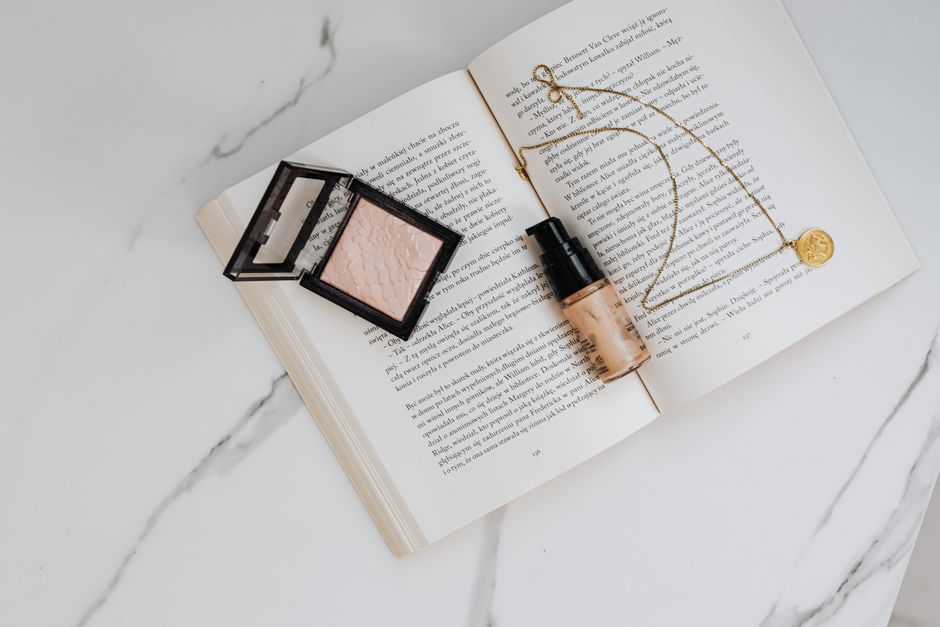
You can find a decent drugstore foundation for dry skin, but you have to read the label carefully.
L’Oreal True Match Nude Hyaluronic Tinted Serum ($14.99) has hyaluronic acid as the third ingredient. Coverage is light, but the finish is genuinely dewy. It comes in 14 shades — not great, but workable for fair to medium skin tones.
Maybelline Fit Me Dewy + Smooth ($8.99) is the cheapest option that actually works. The formula contains glycerin and dimethicone for slip. It won’t last past 5 hours, but for the price, it’s acceptable for short wear.
What to skip: Revlon ColorStay for Dry Skin. Despite the name, it contains alcohol denat and talc. It dries down matte and will cake within 90 minutes on truly dry skin.
The Bottom Line on Foundation for Dry Skin
Dry skin needs a foundation that adds moisture, not one that sits on top of it. If you buy one thing today, get a hydrating primer or setting mist before you buy a new foundation — sometimes the base is the problem, not the makeup itself.
For most people with dry skin, Giorgio Armani Luminous Silk is the best investment. It costs more upfront, but it lasts longer, looks better, and doesn’t need touch-ups. If $69 is out of range, Ilia Super Serum Skin Tint at $52 is the next best option. Avoid matte finishes, alcohol, and powder setting. Your skin will do the rest.