You run your hands through wet hair, and a clump comes out. Every. Single. Shower.
That clogged drain isn’t just annoying. It’s scary. And the internet is full of miracle shampoos that promise to fix it overnight.
Here’s the truth: no shampoo regrows hair on a bald spot. But the best shampoo for hair fall control can reduce breakage, strengthen strands, and create a healthier scalp environment. That buys your hair follicles time to recover.
The key is matching the shampoo to why your hair is falling out. Let’s cut through the marketing and get to what works.
Why Your Hair Is Falling Out (and Why Shampoo Matters)
Hair loss has many triggers. A shampoo can’t fix hormonal imbalances or genetics. But it can address the surface-level factors that accelerate shedding.
The Three Main Causes a Shampoo Can Help
- Scalp inflammation: Dandruff, seborrheic dermatitis, or product buildup irritate follicles. Hair falls out faster when the scalp is angry.
- Weak hair shafts: Over-processed or brittle hair breaks off at the root. This looks like hair loss but is actually breakage.
- Poor circulation or DHT sensitivity: Some ingredients (caffeine, ketoconazole) can temporarily block the hormone DHT that shrinks follicles.
If your hair loss is sudden, patchy, or accompanied by itching or burning, see a dermatologist. Shampoo is a support tool, not a cure.
But for the 80% of people with gradual thinning or excess shedding? The right wash routine can make a real difference in 8–12 weeks.
Key Ingredients That Actually Reduce Hair Fall
Scan the back of any hair fall shampoo bottle. You’ll see a dozen botanical extracts. Most are filler. These four ingredients have real science behind them.
| Ingredient | What It Does | Best For | Found In |
|---|---|---|---|
| Caffeine | Stimulates hair follicles and blocks DHT at the root level | Early-stage thinning, temporary shedding | Alpecin Caffeine Shampoo C1 |
| Ketoconazole (1%) | Anti-fungal and anti-inflammatory; reduces scalp DHT | Dandruff-related hair fall, seb derm | Nizoral Anti-Dandruff Shampoo |
| Biotin | Strengthens keratin structure; reduces breakage | Brittle, over-processed hair | Pura D’Or Original Gold Label Shampoo |
| Niacinamide | Improves scalp microcirculation and barrier function | Sensitive, thinning scalps | The Ordinary Multi-Peptide Serum for Hair Density |
One ingredient to avoid: sulfates (SLS/SLES). They strip natural oils and inflame the scalp. Look for gentle cleansers like cocamidopropyl betaine or sodium cocoyl isethionate.
How to Pick the Right Shampoo for Your Scalp Type
This is where most people go wrong. They buy a “hair fall” shampoo without considering their scalp condition. That’s like buying running shoes for swimming.
Oily scalp with thinning hair: You need a clarifying shampoo with salicylic acid or ketoconazole. Nioxin Cleanser Shampoo System 2 ($12 per 10 oz) is a solid pick. It removes excess sebum that traps DHT near the follicle.
Dry, flaky scalp: Avoid harsh detergents. Look for moisturizing bases with niacinamide or tea tree oil. Kérastase Spécifique Bain Anti-Pellicéaire ($38) treats flakes without stripping.
Sensitive or itchy scalp: Fragrance-free is non-negotiable. Aveeno Scalp Soothing Apple Cider Vinegar Shampoo ($8) uses oat to calm inflammation. No sulfates, no parabens.
Normal scalp but seeing more shedding: A caffeine-based shampoo like Alpecin Caffeine Shampoo C1 ($10) is your entry point. Use it daily for 3 months before judging results.
One hard rule: If your scalp burns, stings, or turns red after washing, stop using that shampoo immediately. That’s irritation, not “detox.”
The 3 Biggest Mistakes People Make With Hair Fall Shampoo
I’ve seen people spend $60 on a bottle and toss it after two weeks because “it didn’t work.” Here’s what they did wrong.
Mistake #1: Expecting results in under 8 weeks. Hair cycles last 3–6 months. A shampoo that reduces shedding takes at least 2 months to show visible change. If you quit at week 3, you never gave it a chance.
Mistake #2: Using too much product. A dime-sized amount is enough for short hair. A quarter-sized blob for longer hair. Overloading the scalp with shampoo doesn’t clean better — it just causes buildup and irritation.
Mistake #3: Only washing once a week. If you have an oily or flaky scalp, infrequent washing lets sebum and dead skin accumulate. That clogs follicles. Wash every other day at minimum. Dry scalp? Every 2–3 days with a gentle formula.
And here’s a controversial take: do not buy a “natural” shampoo with essential oils if you have a sensitive scalp. Peppermint and rosemary oils can cause contact dermatitis in 15% of people. Stick to fragrance-free until you know your tolerance.
When a Shampoo Won’t Fix Your Hair Loss (and What to Do Instead)
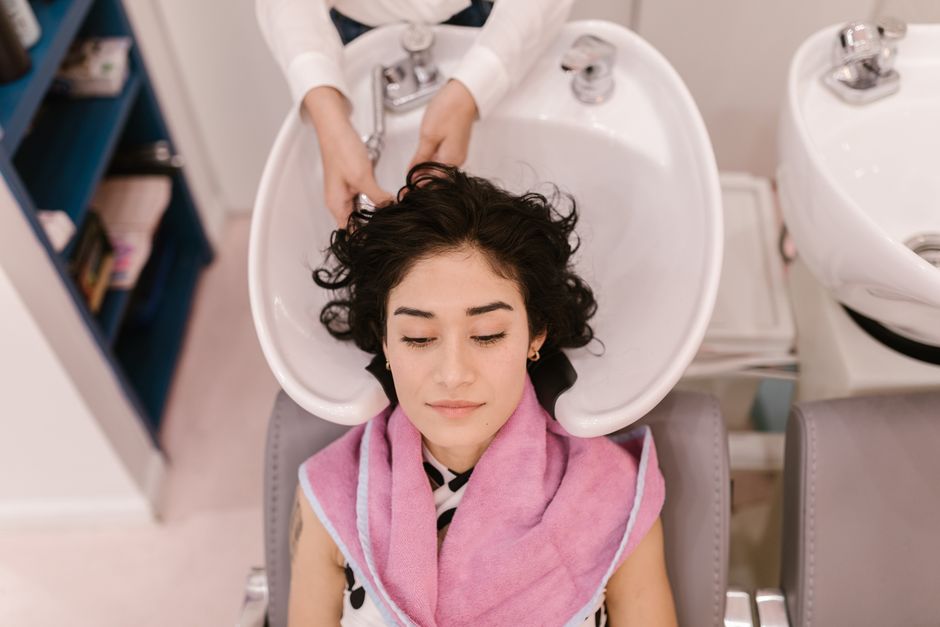
Shampoo sits on your scalp for 60 seconds. That’s not enough time for most active ingredients to penetrate deeply. If your hair loss is aggressive, a shampoo is a maintenance tool, not a solution.
You need to see a doctor if:
- You’re losing hair in circular patches (alopecia areata)
- Your hair is falling out in clumps with no clear trigger
- You have redness, scaling, or pain on the scalp
- You’ve recently started a new medication (hair loss can be a side effect)
For genetic thinning (androgenetic alopecia), a shampoo alone won’t cut it. You’ll need a topical treatment like minoxidil (Rogaine) or low-level laser therapy. The shampoo just creates a clean canvas for those treatments to work better.
And if you’re using a medicated shampoo like Nizoral? Don’t use it daily. Twice a week is enough. Overuse dries out the scalp and can trigger more shedding. Rotate with a gentle, sulfate-free shampoo on other days.
The hair care industry is flooded with $50 bottles that smell like a spa and do nothing. But the right shampoo, chosen for your specific scalp condition and used consistently for 3 months, can slow the drain clog. That’s a win worth chasing.