You wake up, look in the mirror, and your skin feels dull. Maybe it’s the humidity, maybe it’s the late nights. You want that natural glow your grandmother had — without spending a fortune on jars of chemicals. This guide walks you through real, time-tested natural beauty tips for glowing skin in Tamil tradition, using ingredients you can find in any local kitchen or market.
Why Traditional Tamil Skincare Works at the Cellular Level
South Indian skincare isn’t about fancy packaging. It’s about understanding what your skin needs. The heat and humidity here mean your pores open wider, sweat mixes with oil, and dirt settles in. Traditional Tamil remedies focus on three things: cooling, cleansing, and nourishing.
Turmeric contains curcumin, a compound that reduces inflammation and evens out skin tone. Sandalwood cools the skin and tightens pores. Neem fights bacteria without stripping natural oils. These ingredients work because they target the root causes of dullness — not just the surface.
Think of your skin like a fabric. Harsh soaps are like bleach. They clean but damage the weave. Natural ingredients are like gentle soap and cold water. They clean without breaking the fibers.
The 3-Step Morning Routine That Takes 10 Minutes

Most people skip morning skincare because they think it takes too long. This routine takes less time than brewing your morning coffee.
Step 1: Cleanse with Rose Water and Gram Flour
Mix 1 tablespoon of gram flour (kadalai mavu) with enough rose water to make a paste. Apply to your face. Let it sit for 2 minutes. Rinse with cold water. Gram flour absorbs excess oil without drying. Rose water restores pH balance. Cost: about ₹30 for a bag of gram flour that lasts two months.
Step 2: Tone with Aloe Vera Gel
Use fresh aloe vera gel from a leaf. Apply it directly to your face. Let it absorb for 3 minutes. Don’t rinse. Aloe vera contains vitamins C and E, which protect against pollution damage. A single aloe leaf costs ₹15 at any vegetable market.
Step 3: Moisturize with Coconut Oil (Only If Needed)
If your skin feels tight after the aloe, apply 2 drops of virgin coconut oil. Warm it between your palms first. Coconut oil has lauric acid, which mimics your skin’s natural sebum. But skip this if you have oily skin. The aloe alone is enough for most people in humid weather.
Three DIY Face Packs for Specific Skin Problems
Not all face packs work for everyone. Here are three targeted options.
For Dull Skin: Turmeric and Yogurt Pack
Mix 1/4 teaspoon of turmeric powder with 2 tablespoons of plain yogurt. Apply for 15 minutes. Rinse with warm water. The lactic acid in yogurt gently exfoliates dead skin cells. Turmeric brightens. Do this twice a week. Warning: turmeric can stain clothes and nails. Wear old clothes and apply with a brush.
For Acne-Prone Skin: Neem and Honey Pack
Grind 10 fresh neem leaves into a paste. Add 1 tablespoon of raw honey. Apply to affected areas only. Leave for 10 minutes. Rinse. Neem kills acne-causing bacteria. Honey is a natural humectant that keeps moisture locked in. Don’t use this if you’re allergic to bee products.
For Oily Skin: Sandalwood and Cucumber Pack
Grate half a cucumber. Squeeze out the juice. Mix 2 tablespoons of sandalwood powder with enough cucumber juice to form a paste. Apply for 20 minutes. Rinse with cold water. Sandalwood reduces sebum production. Cucumber tightens pores. This pack also works as a cooling mask after sun exposure.
What You Eat Matters More Than What You Apply

You can layer the best face packs on your skin. If your diet is full of fried foods and sugar, your skin will still look tired. Here’s the simple rule: eat foods that are high in water content and antioxidants.
Traditional Tamil meals already have many of these. Ragi (finger millet) is rich in amino acids that repair skin cells. Coconut water hydrates from the inside. Curry leaves contain iron and zinc, which help heal blemishes. Amla (Indian gooseberry) has more vitamin C than oranges — eat one daily for brighter skin.
One practical change: replace your evening tea with a glass of warm water with lemon and a pinch of turmeric. This simple swap reduces inflammation over time. You’ll notice the difference in about three weeks.
Common Mistakes That Sabotage Your Glow
Here are three things people get wrong when following natural Tamil skincare.
Mistake 1: Using Too Much Turmeric
More turmeric doesn’t mean more glow. A pinch is enough. Too much can cause a yellow tint that’s hard to remove. Stick to 1/4 teaspoon per application.
Mistake 2: Leaving Face Packs On Too Long
Natural ingredients can dry out if left beyond 20 minutes. Gram flour packs become hard and pull moisture from your skin. Set a timer.
Mistake 3: Skipping Sun Protection
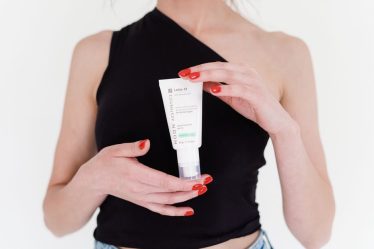
Natural remedies don’t replace sunscreen. After any morning routine, apply a broad-spectrum SPF 30 sunscreen. Lotus Herbals Safe Sun SPF 50 (₹195 for 60g) is a reliable option that doesn’t leave a white cast on Indian skin tones.
When Natural Remedies Are Not Enough
Natural ingredients work for maintenance and mild issues. But they have limits. If you have persistent acne, deep wrinkles, or a skin condition like eczema, see a dermatologist.
For example, neem can reduce mild acne, but it won’t treat cystic acne. Coconut oil moisturizes dry skin, but it can clog pores for people with very oily skin. In those cases, a dermatologist might recommend a salicylic acid cleanser or a niacinamide serum. These are not replacements for natural care — they are tools for specific problems.
Think of natural remedies as your daily maintenance. Professional treatments are for repairs. Both have a place.
Comparison: Natural vs. Commercial Skincare for Indian Skin
| Aspect | Natural Tamil Remedies | Commercial Products |
|---|---|---|
| Cost per month | ₹50–₹100 | ₹500–₹2,000 |
| Results time | 3–6 weeks for visible glow | 1–2 weeks for quick fixes |
| Side effects | Rare (if used correctly) | Possible irritation from chemicals |
| Best for | Daily maintenance, mild issues | Specific problems, quick results |
| Shelf life | Fresh ingredients, short | 6–24 months |
For most people, a mix works best: natural remedies for daily care, and one targeted commercial product (like a vitamin C serum or sunscreen) for specific needs. The key is consistency, not complexity.