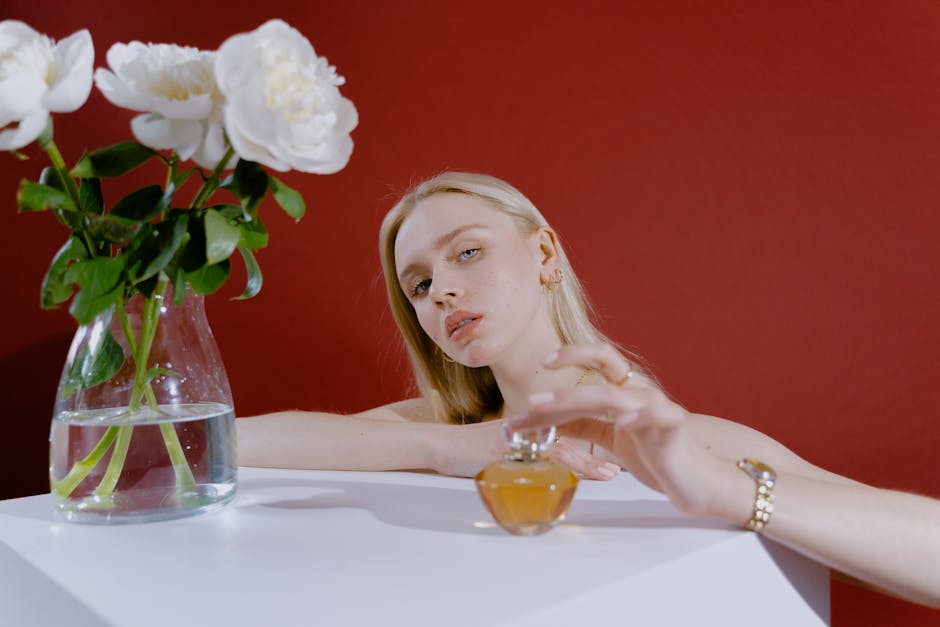
Over 80% of mainstream perfumes sold globally contain ethanol — an alcohol derived from fermentation. For Muslim women navigating fragrance choices, that single ingredient complicates almost every department store counter.
The question isn’t just about halal certification. It’s about scholarly opinion, ingredient sourcing, context of use, and what “wearing fragrance” actually means within Islamic guidance. Most articles give you one answer. The reality is more layered — and, ultimately, more practical.
The Alcohol Question: Where Islamic Scholars Actually Disagree
There are four major Sunni schools of Islamic jurisprudence, and they do not all agree on alcohol in fragrance. This isn’t a fringe debate — it directly shapes which perfumes are considered permissible, and it explains why two observant Muslim women can reach completely different conclusions standing at the same perfume counter.
| School (Madhab) | Position on Synthetic Ethanol | Position on Wine-Derived Alcohol | Practical Result |
|---|---|---|---|
| Hanafi | Generally permissible — not intoxicating in use | Prohibited (najis) | Many mainstream perfumes are acceptable |
| Maliki | Permissible | Prohibited for consumption; debated for skin use | Relatively flexible on fragrance overall |
| Shafi’i | Prohibited — treated as najis regardless of source | Prohibited | Alcohol-free only |
| Hanbali | Prohibited | Prohibited | Alcohol-free only for consistent followers |
The key distinction most guides miss: mainstream perfumes use synthetic ethanol — SD alcohol, denatured alcohol, or isopropyl — not wine or grape-derived khamr. Chanel No. 5, Dior Miss Dior, and YSL Libre all use this type. From the Hanafi position, which represents the largest Muslim following globally, these alcohols fall outside the prohibited category because they derive from non-khamr sources and serve a function that has nothing to do with intoxication.
Why “Denatured Alcohol” Changes the Calculation
Denatured alcohol is ethanol rendered undrinkable through chemical additives. It evaporates quickly and serves as the carrier that lets fragrance molecules disperse in a fine mist. From a strict Shafi’i or Hanbali perspective, the chemical structure classifies it as najis regardless of source. From a Hanafi perspective, origin and function both matter — and synthetic ethanol clears both considerations.
This scholarly gap is real and legitimate. Following one position over another doesn’t make someone careless or extreme. It means they’re applying the rulings of their school consistently.
The Makruh Middle Ground
Some scholars place synthetic-alcohol perfumes in the category of makruh tanzihan — discouraged but not outright forbidden. This is a meaningful distinction. It means wearing such a perfume doesn’t invalidate prayer, doesn’t render a person ritually impure, and isn’t classified as sinful. Avoiding it is considered preferable, but the act itself sits below the threshold of prohibition. For women who want caution without dismissing Hanafi flexibility, this middle position is worth understanding before reaching a conclusion.
What this means practically: if you follow the Shafi’i or Hanbali school, your most straightforward path is alcohol-free formulations from the start. If you follow the Hanafi school, you have more latitude — though many Hanafi scholars still recommend caution as a matter of taqwa.
The Public vs. Private Rule That Changes Everything
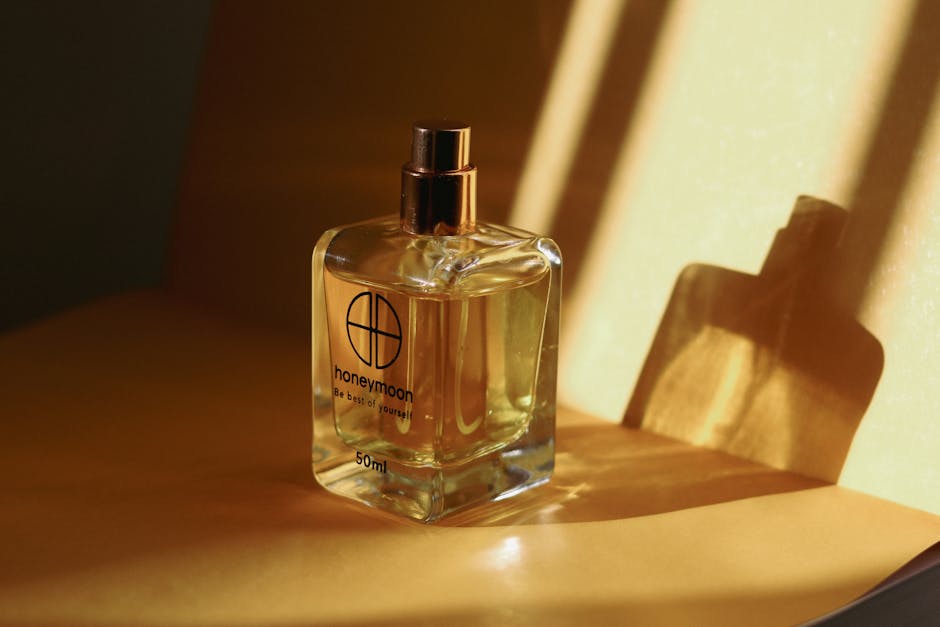
Even a fully alcohol-free, halal-certified perfume can be worn incorrectly according to Islamic guidance.
The rule is direct: applying strong fragrance before going into public spaces where non-mahram men are present is discouraged across most scholarly opinion — based on multiple narrations in Sahih Muslim and Abu Dawud. This applies regardless of what the perfume is made from. Meanwhile, wearing fragrance for one’s husband at home is explicitly encouraged in Islamic tradition. The same bottle, applied in a different context, produces an entirely different ruling.
Most scholars draw the line at projection. Light fragrance that stays close to the skin and doesn’t announce itself to people nearby is treated more leniently than heavy application designed to leave a trail. Intent matters in this analysis, but so does the practical effect of how much scent you’re putting on and where you’re going.
What “Halal Fragrance” Actually Means — And Where Buyers Go Wrong
The phrase “halal perfume” gets used loosely in marketing. Understanding what it certifies — and what it doesn’t — prevents real purchasing mistakes that even careful buyers make repeatedly.
Ingredients Beyond Alcohol That Require Checking
Alcohol is the headline concern, but several animal-derived fragrance ingredients carry their own compliance questions:
- Civet musk: Historically extracted from civet cats through methods that caused significant harm to the animals. Most scholars who’ve addressed this directly consider traditional civet sourcing problematic. Synthetic civet has replaced it almost entirely in modern commercial perfumery and is uncontroversially permissible.
- Ambergris: A natural secretion produced by sperm whales, found floating at sea rather than harvested directly. Maliki scholars generally permit it on the grounds that it’s found in a state of purity; other schools differ. In practice, nearly all commercial “ambergris” in modern fragrances is synthetic — the scholarly debate rarely comes up in real purchasing decisions.
- Castoreum: Derived from beavers, used in some vintage and niche formulas for its leathery quality. Rarely encountered in current mainstream perfumery but worth checking in artisanal or heritage compositions. Generally considered impermissible.
- Musk deer gland: The original musk source, essentially absent from commercial fragrance now due to conservation restrictions. Synthetic musks — galaxolide, iso E super, white musk bases — dominate the market completely and carry no compliance issue.
What Halal Certification Actually Covers
Third-party halal certification from bodies like ISWA, IFANCA, or regional halal authorities verifies ingredient sourcing, production line separation from non-halal products, and the absence of prohibited substances. It does not certify that the fragrance is appropriate to wear outside the home. That’s a behavioral ruling, not an ingredient one.
A woman could own a perfectly halal-certified perfume and still apply it in a way that contradicts Islamic guidance on modesty in public. Certification answers the “what is this made of” question. It cannot answer the “how and where should I wear this” question — that requires applying the scholarly guidance on public fragrance separately.
Brands like Swiss Arabian, Ajmal Perfumes, and Al Haramain have built large catalogues specifically around alcohol-free attar oils and spray formats. These use carrier oils — fractionated coconut oil or jojoba — instead of ethanol. That formulation choice sidesteps the alcohol debate for all four schools simultaneously, making them the lowest-friction option for women who want certainty without having to research madhab positions first.
The “Natural Equals Halal” Mistake
This is the most common error, and it catches otherwise careful buyers. Many women assume organic or natural perfumes are automatically permissible. They’re not. Natural perfumes frequently use ethanol derived from organic grain as a carrier — it’s still ethanol, just from a “clean” source. A bottle labeled “100% natural ingredients, no synthetics” can contain the exact same alcohol that concerns Shafi’i and Hanbali scholars. The marketing language and the ingredient list are telling you different things. Read the ingredient list.
The inverse is equally true. Fully synthetic fragrances with zero animal derivatives and no alcohol — like the alcohol-free spray lines from Rasasi or the concentrated attars from Ajmal — are often the clearest halal choice despite containing no “natural” ingredients. Halal compliance tracks ingredient identity, not how the ingredient was grown or processed.
Fragrance Brands and Specific Options Muslim Women Actually Use
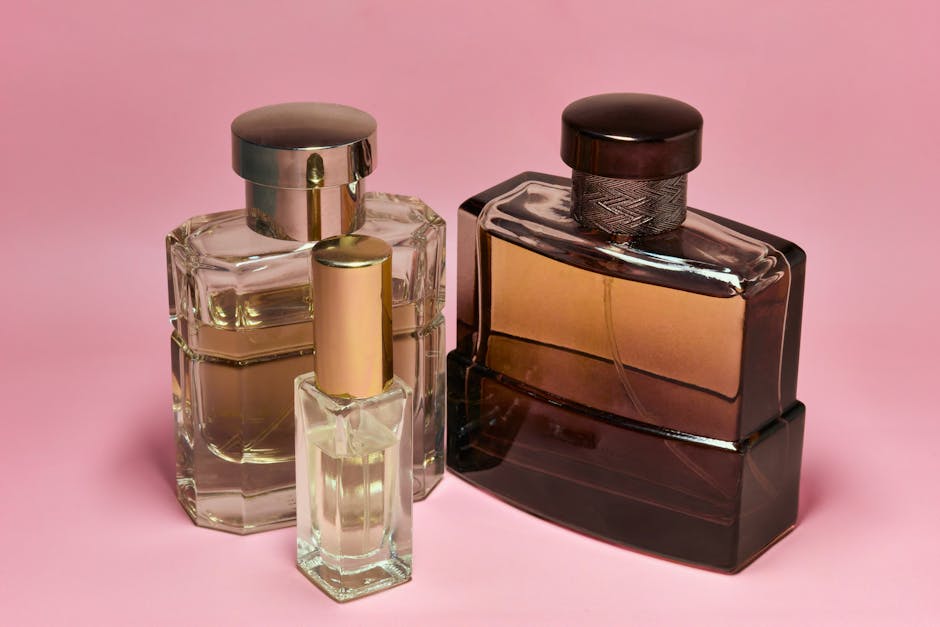
Alcohol-free and halal-conscious fragrance has become a serious market, particularly in the Gulf, South Asia, and diaspora communities. These are real products with documented formulations.
- Swiss Arabian Shaghaf Oud Aswad — Alcohol-free attar oil. Deep oud base with woody resin and a faint smokiness underneath. Applied via stopper directly to pulse points. No spray mechanism means no carrier alcohol by design. Extremely long-lasting on skin — a small amount goes further than most spray perfumes applied heavily.
- Ajmal Dahn Al Oudh Moattaq — Pure oud oil from Ajmal, a Dubai house with over 70 years in the business. No alcohol in the formulation. Rich, dense, and intense — better suited for evenings or occasions than everyday wear. Represents what oud-based fragrance culture looks like at its most traditional.
- Rasasi La Yuqawam Amwaaj — Spray format from a UAE brand that produces dedicated alcohol-free spray lines. Floral-aquatic character, significantly lighter than typical heavy oud options. The better pick for women who find pure oud too dense for regular, daytime use.
- Al Haramain Amber Oud Gold Edition — Alcohol-free spray. Warm amber, vanilla, and a restrained oud note that doesn’t overwhelm. Consistently recommended across Muslim fragrance communities for both longevity and clean sourcing. Works across climates better than heavier attars.
- Junaid Jamshed Anaya — From J. (Pakistan), a brand built with Muslim women as its specific audience. Alcohol-free, floral-oriental profile. More accessible price point than Gulf brands. Widely available in South Asia and in diaspora communities across the UK, Canada, and the United States.
For women who follow the Hanafi position and are comfortable with mainstream perfumes containing synthetic ethanol, brands like Lattafa produce affordable spray alternatives. These remain in the gray area for stricter interpretations but are a real option for Hanafi followers who’ve reached that conclusion through their own scholarly consultation.
Specific Questions That Come Up Most
Does wearing perfume invalidate wudu or prayer?
No. Skin contact with alcohol-based perfume does not invalidate wudu according to the majority scholarly position. The concern about alcohol in Islamic law centers on consumption — not topical contact. Scholars who consider alcohol-based perfume impermissible say the prayer itself remains valid, but applying the perfume beforehand was wrong. These are two separate questions with two separate answers that don’t cancel each other out.
Can I wear fragrance to the mosque?
Most scholars apply the same public-space guidance to the mosque as to other mixed settings. Strong fragrance that projects to non-mahram men is discouraged. Light fragrance that stays close to the body is treated differently. Some scholars make additional distinctions depending on whether the women’s section of the mosque is physically separated from the men’s section — which changes the analysis meaningfully, since proximity to non-mahram men is central to the original ruling.
Is oud always halal?
Pure oud oil — agarwood oil, the raw material distilled from Aquilaria trees — is alcohol-free and permissible across all four schools without significant disagreement. The complication arises with oud-based spray fragrances that use alcohol as a carrier. The oud itself is fine; the surrounding formulation may not be, depending on your school. Check the full ingredient list, not just the lead note.
What about scented lotions and hair products?
Most scholars apply the same halal ingredient standards to scented lotions and hair products as to perfume — the alcohol question is the same. From a behavioral standpoint, these products are generally viewed more leniently than dedicated perfume because neither intent nor projection are the same. A scented shampoo rinsed out in the shower was not what the guidance on public fragrance was addressing. Leave-in scented products applied before going out sit closer to the perfume analysis.
The clearest path for women who want certainty: alcohol-free attar oils and certified spray formats from established halal fragrance houses remove the ingredients debate entirely, leaving only the behavioral question of context — and that’s a judgment call no bottle of perfume can make for you.