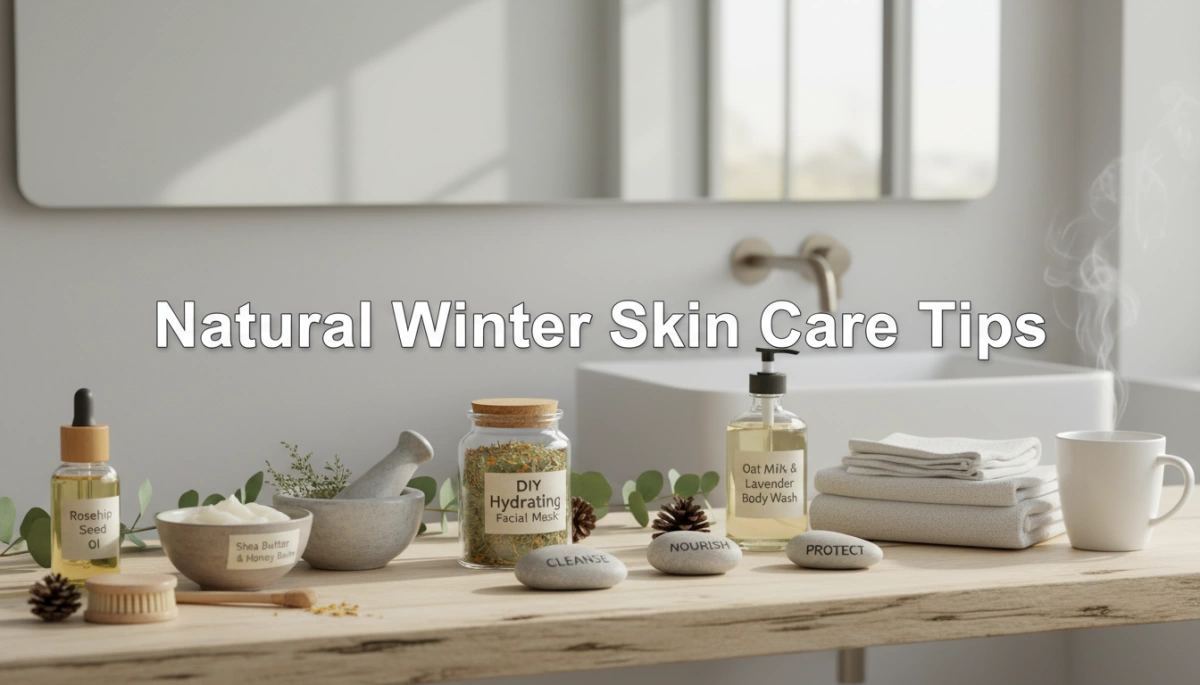
Why Natural Methods Work Best for Winter Skin Challenges
Tired of tight, flaky skin by midday? Winter’s cold air and low humidity can wreak havoc on your skin barrier—the outer layer that protects your skin from moisture loss and irritants. When this barrier is disrupted, dryness and irritation take hold, leading to discomfort and sometimes more serious issues.
Natural winter skincare works in harmony with your skin’s needs. Ingredients like plant-based humectants (which draw moisture in), emollients (which soften and smooth), and occlusives (which seal in hydration) help restore and protect your skin without harsh chemicals. For example, honey and aloe vera gently hydrate and calm inflammation, while oils from coconut and jojoba mimic your skin’s natural oils to reinforce the barrier.
However, if you notice severe itching, persistent redness, or eczema flare-ups that don’t improve with home remedies, it’s important to seek professional help. A dermatologist can provide targeted treatment to manage these conditions effectively.
Choosing natural moisturizers for winter not only soothes your skin but supports long-term health, making these remedies the best choice to combat winter dryness naturally.
Daily Habits to Prevent Dryness and Irritation
To combat winter dryness naturally, start by adjusting your shower routine. Use lukewarm water instead of hot, and keep showers short—around 5 to 10 minutes—to avoid stripping your skin’s natural oils. After bathing, pat your skin dry gently rather than rubbing, which can cause irritation.
Choose gentle, natural cleansers like oil-based or milk cleansers instead of harsh soaps that dry out your skin. These options help maintain your skin’s barrier and moisture. Right after showering, while your skin is still damp, layer on a moisturizer to lock in hydration effectively.
Adding a home humidifier to keep indoor humidity between 40-60% can dramatically improve skin hydration during dry winter months. Also, protect any exposed skin by wearing gloves, scarves, and hats. Don’t forget to apply lip balm frequently to prevent chapped lips.
Finally, stay hydrated from the inside out. Drink plenty of water, enjoy herbal teas, and include omega-rich foods like fatty fish and nuts in your diet to help keep skin supple and healthy all season long.
For a gentle approach to cleansing, consider natural options like those detailed in the Youth to the People cleanser, which is well-suited for sensitive winter skin.
Top Natural Ingredients and How to Use Them
Winter-proof your skin by embracing natural moisturizers that work in harmony with your skin’s barrier. Here are some of the best natural winter skincare ingredients and how to use them effectively:
Coconut oil: Use it as a body moisturizer or an overnight treatment. Its antibacterial properties help soothe irritation and combat dryness naturally.
Aloe vera: Apply pure aloe vera gel to calm redness and inflammation. For extra hydration, mix it with natural oils like jojoba or almond oil.
Honey (raw or manuka): A powerful humectant, honey locks in moisture and has anti-inflammatory benefits. Use it as a mask on your face or body to heal cracked, dry areas.
Oatmeal: Add colloidal oatmeal to baths or make a soothing oatmeal mask to relieve itching and restore your skin’s natural pH balance.
Shea butter: This rich emollient is perfect for very dry patches, especially on elbows, knees, and hands. It deeply nourishes and protects.
Avocado: Mash ripe avocado into a creamy face mask full of healthy fats and vitamins, great for replenishing dry winter skin.
Natural oils (jojoba, almond, olive, argan): These oils closely mimic your skin’s natural sebum, making them excellent for facial serums or body oils to lock in moisture and keep skin supple.
Using these natural ingredients consistently can help you combat winter dryness naturally and keep your skin hydrated, soft, and irritation-free throughout the cold months.
For more tips on hydrating facial care, check out this guide on 5 must-try ingredients in hydrating facial serums.
Targeted Remedies for Problem Areas
Winter dryness can hit certain areas harder, so it helps to have targeted natural remedies to keep your skin smooth and irritation-free.
Hands and cuticles: Try an overnight oil treatment using natural oils like almond or jojoba. Apply a generous amount, then wear cotton gloves to lock in moisture. This helps repair cracked skin and soothe irritation.
Lips and face: DIY balms made from beeswax, shea butter, and a few drops of gentle essential oils (if your skin tolerates them) work wonders for preventing chapped lips and dry patches. These natural moisturizers for winter create a protective barrier that locks in hydration.
Body dryness and itchiness: Soothing baths with added ingredients like oatmeal or honey can calm itchy, flaky skin. These natural remedies for dry irritated skin restore the skin’s pH balance while deeply moisturizing.
Flaky scalp: Before washing, try a pre-wash treatment with natural oils such as coconut or argan oil to hydrate dry scalp areas. This helps prevent flaking and irritation during cold weather.
For more on using natural oils effectively in your skincare, check out this detailed guide on the benefits of almond oil for skin.
Seasonal Winter Skincare Routine
A solid natural winter skincare routine keeps your skin hydrated and protected through the cold months. Here’s a simple daily and weekly plan to combat dryness naturally:
Morning:
Start with a gentle cleanse, using a mild, natural cleanser to avoid stripping oils.
Apply a natural serum or oil like jojoba or argan to lock in moisture.
Follow up with a rich, plant-based moisturizer to nourish the skin barrier.
Don’t skip sun protection—even in winter, UV rays can damage your skin.
Evening:
Consider a double cleanse if you wear makeup or sunscreen: begin with an oil-based cleanser, then a gentle wash to thoroughly clean without drying out your skin.
Use targeted treatments for dry or irritated areas, such as aloe vera gel or honey masks.
Seal everything in with a thick occlusive layer like shea butter or coconut oil to prevent moisture loss overnight.
Weekly:
Exfoliate gently once or twice a week using natural options like oatmeal or sugar scrubs. This removes dead skin cells without causing irritation—just be careful not to overdo it.
Additional Lifestyle Tips for Long-Term Skin Resilience
Building winter skin resilience goes beyond creams and oils—it starts from within and around us. Here’s how to boost your skin’s natural defenses over time:
Eat anti-inflammatory, skin-boosting foods: Incorporate fatty fish like salmon, nuts, seeds, and plenty of leafy greens. These are packed with omega-3 fatty acids and antioxidants that help reduce inflammation and support skin hydration naturally.
Steer clear of common skin irritants: Avoid direct contact with hot drinks on your skin, scratchy wool fabrics, and alcohol-based skincare or cleaning products. These can strip moisture and worsen dryness or irritation during the cold months.
Prioritize exercise and restful sleep: Regular movement improves blood flow, delivering oxygen and nutrients to skin cells for faster repair. Quality sleep also supports cellular regeneration, crucial for maintaining a healthy skin barrier.
Taking these lifestyle steps, combined with natural winter skincare practices, creates a strong foundation to combat winter dryness naturally and keep your skin hydrated in cold weather.