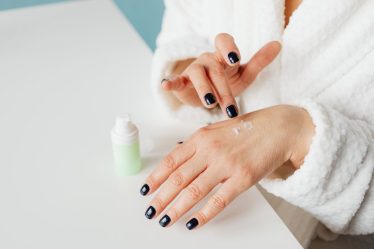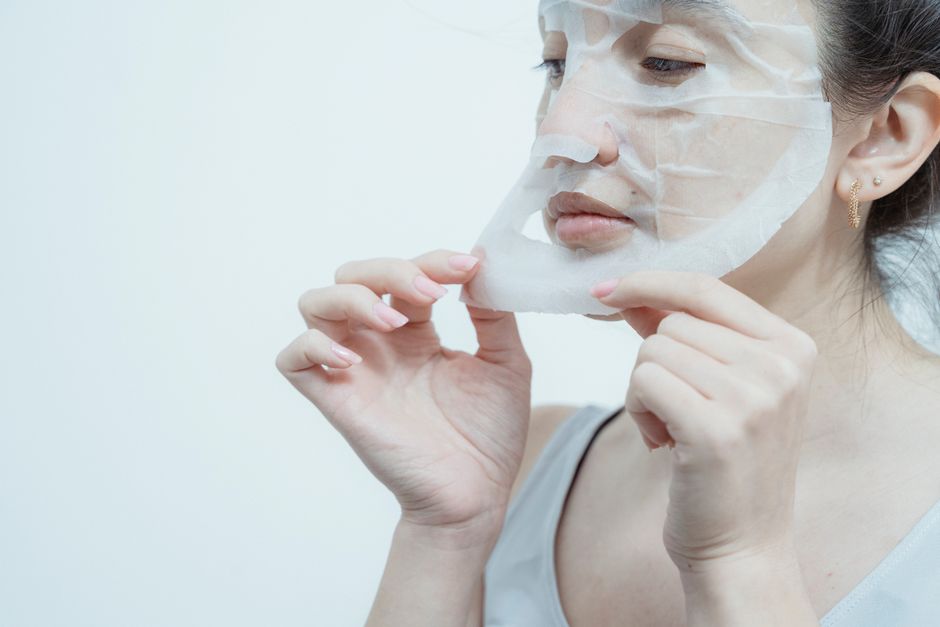
By the first warm week of March, my skin usually looks confused: dry around the mouth, shiny across the forehead, and suddenly annoyed by products I used all winter. The tempting response is to scrub harder, add a new acid, start retinol, and buy a brightening serum in the same week. I have made that mistake more than once. The better move is a short reset that gives your skin one clear job at a time.
Why March skin needs a reset, not a bigger routine
My verdict: March is the right month to reduce variables before adding treatment. The weather is shifting, indoor heating may still be running, humidity is changing, and many people are moving from a heavier winter routine toward lighter layers. Skin can react to that change even when the products themselves are familiar.
The barrier problem in plain English
Your skin barrier is the outer system that helps hold water in and irritants out. When cleansing, cold wind, dry air, exfoliation, and strong treatment products all pile up, that system becomes less comfortable. You may feel tightness after washing, see flaky patches under makeup, or notice that a normal moisturizer suddenly stings. Those signs do not mean your skin needs more treatment. They mean the routine is asking for more than the barrier can handle.
A reset works because it removes the guessing. Keep cleansing gentle, moisturize consistently, and use sunscreen in the morning. Once the skin feels calm for several days, one active can do a specific job without competing with three other new formulas.
Why spring is a poor time for product pileups
Spring also brings more daylight and more outdoor time. That makes daily sunscreen more important, especially when you start using ingredients that can increase irritation. Adding an exfoliating toner, a retinoid, and a vitamin C serum together makes it impossible to know which product caused redness or peeling.
I prefer a two-week baseline. The goal is not a dramatic overnight change. The goal is skin that feels normal after cleansing, tolerates moisturizer, and does not burn when you apply sunscreen. That baseline gives you a reliable signal when you introduce the first active.
How long should you calm your skin before adding an active?

What is the fastest safe starting point?
Give your skin at least seven calm days with a simple cleanser, moisturizer, and broad-spectrum sunscreen, then add only one active on two nonconsecutive nights during the first week. If tightness, burning, or fresh patches appear, remove the active and return to the baseline until your skin feels ordinary again.
What counts as calm skin?
Calm skin is not flawless skin; it can still have a clogged pore, a dark mark, or mild uneven texture. My test is practical: water does not sting, moisturizer feels comfortable, makeup does not catch on new flakes, and redness does not keep spreading after cleansing.
That is the whole rule. A product cannot show its real value when your skin is already irritated, so patience gives you a cleaner result than pushing through discomfort.
How to add one gentle active without losing control
My preferred method is boring on purpose: change one thing, use a small amount, and keep the rest of the routine fixed. This makes the routine easier to judge and keeps a mild reaction from turning into a full reset.
A four-week introduction schedule
- Week one: use the active once at night after cleansing and drying your face completely. Apply a pea-sized amount for the whole face, avoiding the corners of the nose and mouth.
- Week two: use it twice, with at least two nights between applications. Keep those off-nights simple and do not add another exfoliant.
- Week three: stay at two nights if your skin is comfortable. More frequent use is not automatically better, especially with retinoids and acids.
- Week four: decide if the active is helping the original problem. Take a clear photo in the same light instead of judging your skin every morning.
- Use sunscreen every morning. A brightening or texture routine cannot make steady progress if new sun exposure keeps adding discoloration.
- Patch test first when the formula is unfamiliar. Test behind the ear or along the jaw for several nights, then move to the full face.
Where products fit into the workflow
The more experienced beginner can choose Geek & Gorgeous A-Game 5, a 0.05% retinal serum priced around €13.80. I would start with the Ordinary formula for easily irritated skin and move to A-Game 5 only after the two-night schedule feels uneventful.
Do not use both. Do not pair either one with a peel on the same night. If you are pregnant or trying to conceive, ask a qualified clinician before using a retinoid product.
Which gentle active should lead your March skin reset?

The best first active is the one that matches the problem you can name clearly. My table gives each option a job, a starting pace, and a reason to leave it alone for now.
The practical comparison
My clear winner for most beginners
Azelaic acid is my first pick when the main complaint is redness or leftover marks, because it covers more than one concern without the same learning curve as a retinoid. For a nose and forehead full of blackheads, Paula’s Choice 2% BHA is the better tool, but I would use it only on those areas instead of spreading it over dry cheeks.
Retinal has the strongest long-term appeal in this table, yet it is not the best opening move for skin that is already flaky. Choose it after the barrier feels steady, not because a higher-intensity routine sounds more impressive.
What I would pair with the active, and what I would skip
My strong opinion: spend the first skincare money on a reliable moisturizer and sunscreen, not a second serum.
The boring products that make the reset work
It has hyaluronic acid and five ceramides, feels light enough for daytime, and avoids essential oils and fragrance.
Choose the formula you will apply generously every morning; the most elegant sunscreen is useless when you save it for sunny weekends.
When not to buy another treatment
- Skip a new acid if your skin burns when you apply plain moisturizer.
- Skip a retinoid if you are already peeling from a recent facial, waxing session, or aggressive scrub.
- Skip fragrance-heavy formulas when your skin is reacting and you are trying to identify the cause.
- Skip a full-face BHA if only the nose has clogged pores. Treating clear cheeks creates extra irritation without solving the original problem.
- Skip a product that promises instant glass skin. A fast visual change often comes from temporary surface effects, not a stronger long-term routine.
The common failure is not choosing the wrong brand. It is adding the active before the basics are stable, then treating the irritation with another product.
March skin reset questions I still get asked

Should I exfoliate during a skin reset?
Only if exfoliation is the exact problem you are solving, and even then start with one small area. I would choose salicylic acid for visible congestion and leave the rest of the face alone; I would not combine it with retinal, a scrub, or a strong peel during the first month.
How do I know if an active is working?
Use the same lighting, distance, and angle every two weeks. Azelaic acid may help redness and marks gradually, while a retinoid needs more time for texture; judge comfort first, then consistency, then visible change.
What should I do if my skin reacts?
Stop the new active, wash gently, moisturize, and wear sunscreen. A little dryness can settle, but swelling, hives, intense burning, or a rash that keeps spreading calls for medical advice rather than another skincare purchase.
That is how I handle the March morning when my skin looks dry, shiny, and generally fed up: I do not attack it with a shelf of new bottles. I return to the calm baseline, pick one job, and give one gentle active enough time to prove itself.