The common mistake with winter travel skincare is assuming you need miniature versions of your entire bathroom shelf. You do not. Cold air, indoor heating, wind, hot showers, and unfamiliar water usually create one main problem: your skin loses water faster than it can hold on to it. A good weekend kit should protect the barrier, remove sunscreen and makeup, add moisture, and stop there.
I have packed enough skincare for short trips to know what earns space. The winners are boring, reliable, and easy to replace. The losers are expensive minis, new actives opened beside a hotel sink, and anything that needs a complicated routine to feel useful.
Why winter travel dries your skin faster than a normal weekend
Winter skin is not always asking for more products. It is often asking for fewer things that disturb it. The outer layer of your skin contains oils, fats, and water-binding compounds that help slow moisture loss. Cold outdoor air has low humidity, and heated rooms can be even drier. Add wind, long showers, airplane air, and repeated face washing, and the surface loses water before you notice the tight feeling.
Cold air changes the job your routine must do
At home, a light lotion may be enough because your bathroom, bedroom, and office have familiar temperatures and humidity levels. On a winter weekend, your face can move from freezing pavement to a heated train, then into a dry hotel room within an hour. That repeated change makes a simple moisturizing routine more useful than a shelf of brightening serums.
The first job is to keep cleansing gentle. The second is to add water and humectants while the skin is still slightly damp. The third is to slow evaporation with a cream or a small amount of an oil-based product. This is why a three-step routine often beats a seven-step routine on a cold trip.
Barrier damage feels different from ordinary dryness
Ordinary dryness usually feels rough or tight. A stressed barrier can sting when you apply products that never bothered you before. You may see flaky patches around the nose, redness on the cheeks, or a sudden dislike of fragrance. That reaction is a warning to reduce friction and stop adding new ingredients.
Do not scrub flaky skin in the hope of making it smooth. Flakes are not always excess skin that needs removal. They can be loose pieces of a surface that needs time, water, and protection. Pat your face dry instead of rubbing it, and keep the water lukewarm rather than hot.
Why a short routine travels better
A weekend routine has a practical limit: every extra bottle creates another chance to leak, forget a step, or use too much. More products also make it harder to tell what caused a reaction. I pack one cleanser, one moisturizer, one sunscreen, and one optional rescue product. That covers the basic problems without turning the trip into a skincare experiment.
The barrier comes first, especially if you are skiing, walking outdoors for hours, or staying somewhere with strong heating. Fine lines, dullness, and a missed serum can wait until you get home. Stinging, cracking, and painful dryness should be handled immediately.
How to pack a two-night winter skincare kit
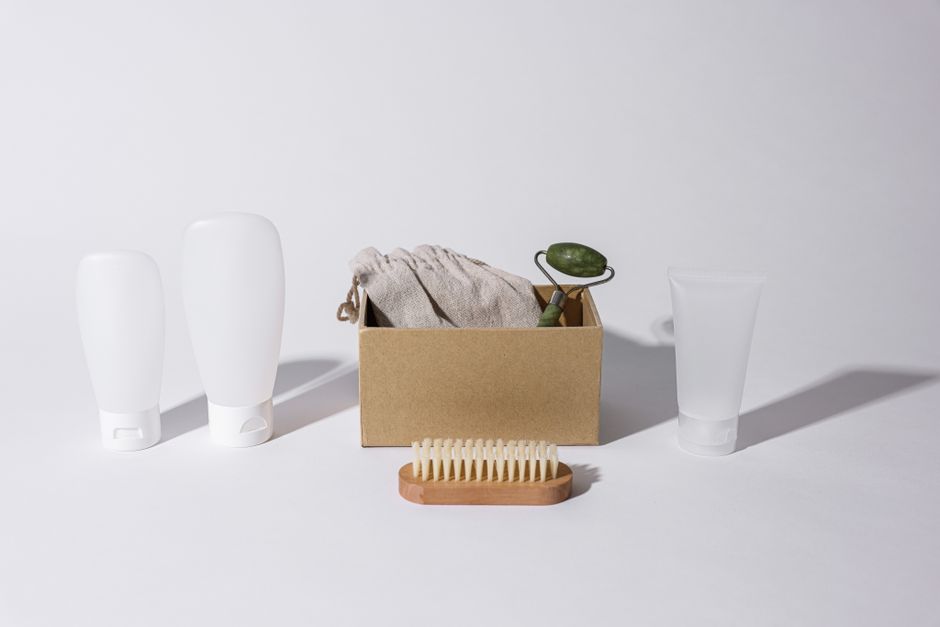
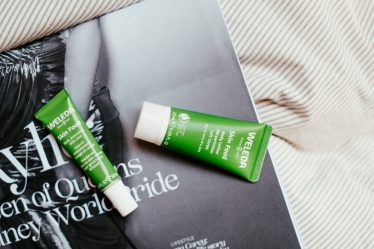
Pack for the number of applications, not for the size of the bottle you already own. A two-night trip normally means three face washes, two evening moisturising sessions, three morning sunscreen applications, and perhaps one midday sunscreen top-up. That is a small amount of product.
- Decant only what you need. Use a 10–15 ml leak-resistant container for cleanser and a 10 ml pot or tube for moisturizer. A full 100 ml bottle is wasted weight for a Friday-to-Sunday trip.
- Keep one product per job. Your cleanser removes sunscreen and makeup. Your moisturizer reduces water loss. Sunscreen protects exposed skin. Do not pack separate products for every small concern.
- Use a 15-minute rule. Apply moisturizer within about 15 minutes of washing your face, while the skin still feels slightly damp. This makes a small amount spread farther.
- Put liquids in a second bag. Even a good cap can loosen after being squeezed inside a coat pocket. Seal bottles in a small zip bag, then place that bag inside your toiletry case.
- Pack one rescue item. Choose a richer cream, plain balm, or face oil only if you already know your skin tolerates it. A trip is the wrong time to test a new formula.
- Leave treatment products at home. Retinoids, exfoliating acids, strong vitamin C products, and peel pads can make cold-weather sensitivity worse when your routine, sleep, and climate all change.
| Item | Amount for two nights | Why it earns space |
|---|---|---|
| Gentle cleanser | 10–15 ml | Enough for three small washes |
| Moisturizer | 10–15 ml | Morning and evening barrier support |
| Sunscreen | 15–20 ml | Face, ears, neck, and reapplication |
| Rescue balm or oil | 3–5 ml | For lips, nose, or cracked dry patches |
| Cotton or reusable cloth | One | Removes makeup without rough rubbing |
For a weekend away, I would rather carry 45 ml of products that I finish than 250 ml of half-used bottles. Label decanted containers with the product name. Clear gel and white cream look identical in a dark hotel bathroom, and guessing is how people put cleanser on as moisturizer.
What should you skip when your face is cold, dry, and irritated?
A winter weekend is a poor time to chase instant glow. The fastest way to make a short trip miserable is to treat every flake as a problem that needs exfoliation.
Should you bring retinol or exfoliating acids?
Skip them if your skin already feels tight, burns after cleansing, or has visible flaky patches. Retinol, glycolic acid, salicylic acid, and strong peel pads can all have a place in a normal routine, but travel adds cold air, wind, dry heating, and disrupted sleep. Those factors can make a familiar product feel far harsher.
If you have used an active for months without irritation and your skin is stable, one scheduled application may be reasonable. I still leave it behind for a two-night trip. The benefit is small, while a reaction can ruin the entire weekend.
Is a face mist enough for hotel-room dryness?
No. A mist can make skin feel temporarily cool, but water on the surface will evaporate unless you follow it with a moisturizer. Spraying your face repeatedly in a dry room can leave you feeling tighter, not softer. Use damp skin under cream instead.
When should you not buy a travel-size set?
Do not buy one when it contains several unfamiliar formulas or when the full-size product is already available in a safe, smaller tube. A set is also poor value if the cleanser, moisturizer, and sunscreen have different fragrance levels that you cannot test first.
Skip any product that makes your skin sting, even if the sting is marketed as proof that it is working. Fragrance, essential oils, scrub particles, and alcohol-heavy formulas are not automatic problems for everyone, but they are unnecessary risks on a cold-weather trip. The best alternative is the routine you have used successfully at home.
My winter weekend packing verdict
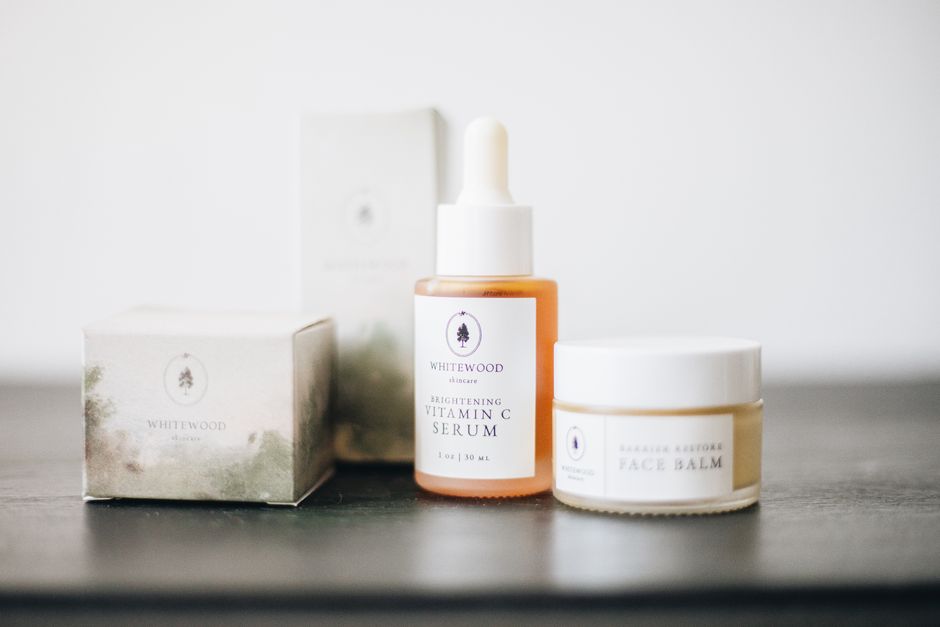
For dry or sensitive skin, pack 15 ml of a gentle cleanser, 15 ml of Vanicream Daily Facial Moisturizer or your trusted equivalent, 15–20 ml of Beauty of Joseon Relief Sun SPF50+, and a 3–5 ml rescue balm for the nose, lips, and cheekbones; that kit handles the real winter problems without asking you to carry a bathroom cabinet.
For makeup wearers, The Ordinary Squalane Cleanser is the product I would buy first because its 50 ml size removes sunscreen and makeup while keeping the routine short, while CeraVe Hydrating Facial Cleanser is the better bargain when two people need to share one bottle.
Leave retinoids, peel pads, face scrubs, scented masks, and experimental serums at home, because a weekend away is for protecting a stable skin barrier rather than forcing a cosmetic result in forty-eight hours.
If I had room for only three products, I would choose a gentle cleanser, a plain moisturizer, and a broad-spectrum sunscreen; that is the smallest winter routine that still cleans, reduces moisture loss, and protects skin exposed to cold streets and bright snow.