Cold weather does not make every skincare layer necessary. It makes the order, amount, and drying time more important. Pilling happens when products form tiny rolls on the surface instead of settling into the skin. The fix is usually fewer layers, lighter pressure, and a better texture match.
This routine works for dry, combination, and sensitive skin. It also helps makeup sit smoothly over winter skincare.
Why does moisturiser pill more in cold weather?
Verdict: cold-weather pilling usually comes from product buildup, not a lack of moisture. Adding another cream often makes the problem worse.
Cold air changes how products settle
Winter air holds less moisture, and indoor heating lowers humidity further. Skin can feel tight, so it is tempting to apply a serum, essence, lotion, cream, balm, and facial oil in one session. Each layer leaves behind film-forming ingredients such as silicones, polymers, waxes, or thick emollients. When the next product cannot spread across that film, rubbing turns the residue into visible flakes or rolls.
Cold skin can also feel less flexible. A thick cream that spreads easily on warm skin may drag on a cool face. Drag creates friction, and friction lifts the layer underneath.
Product residue is different from dry skin flakes
Skincare pilling usually appears as soft, rubbery balls that gather where you rub: around the nose, jaw, and hairline. Dry skin flakes look thinner, irregular, and attached to rough patches. The difference matters. Pilling calls for less product and less rubbing. Flaking may call for a gentler cleanser, a richer moisturiser, or fewer drying actives.
Do not scrub the rolls away with a towel. That can leave the skin red while the original layering problem remains.
What is the correct order for winter skincare?
Use the thinnest water-based layer first and the most protective cream last. A clean, slightly damp face gives humectants enough water to bind, while the final cream slows water loss. The order below is the safest starting point.
Follow the water-to-oil order
- Cleanse with lukewarm water and pat until the skin is damp, not wet.
- Apply one hydrating serum or toner. Use two to three drops, not a soaked cotton pad.
- Wait until the layer feels smooth rather than slippery. This usually takes 30 to 60 seconds.
- Press on a pea-sized amount of lotion or light cream. Spread it with flat fingers.
- Add a second thin layer only to tight areas such as the cheeks. Do not coat the whole face again.
- Apply sunscreen as the final morning skincare step. Give the moisturiser about two minutes to settle first.
Use pressing instead of repeated rubbing
Rubbing is the fastest way to create pilling. Warm a small amount between your fingertips, place it on the cheeks, forehead, and chin, then press and smooth outward once. Stop when the surface feels comfortable. A slightly dewy finish is fine; a wet or tacky finish means you used too much.
For evening skincare, stop after moisturiser unless the skin still feels tight after five minutes. More layers do not always produce more comfort.
How long should you wait between moisturiser layers?
Verdict: start with a 60-second pause between watery layers and a two-minute pause before sunscreen. You do not need to wait until every product feels completely dry.
| Step | Amount | Typical pause | Surface cue |
|---|---|---|---|
| Hydrating toner | Four to six drops | 20 to 30 seconds | Damp, not dripping |
| Hydrating serum | Two to three drops | 30 to 60 seconds | Slippery film has reduced |
| Light lotion | Pea-sized amount | 60 to 90 seconds | Soft and flexible |
| Rich cream on dry patches | Half a pea per cheek | 90 seconds | No visible wet streaks |
| Sunscreen | Two-finger amount for face and neck | Two minutes before makeup | Even, settled film |
Use touch, not the clock, as the final test
Timing changes with room temperature, humidity, and formula. If the layer still slides under a clean fingertip, give it another 30 seconds. If it feels tight before the next step, your previous layer may have been too small rather than too dry.
Short verdict
Waiting five or ten minutes between every step rarely solves pilling. Correct amounts and compatible textures matter more. If a routine still pills after the pauses above, remove one layer and test again.
Which moisturiser texture works best under winter skincare?
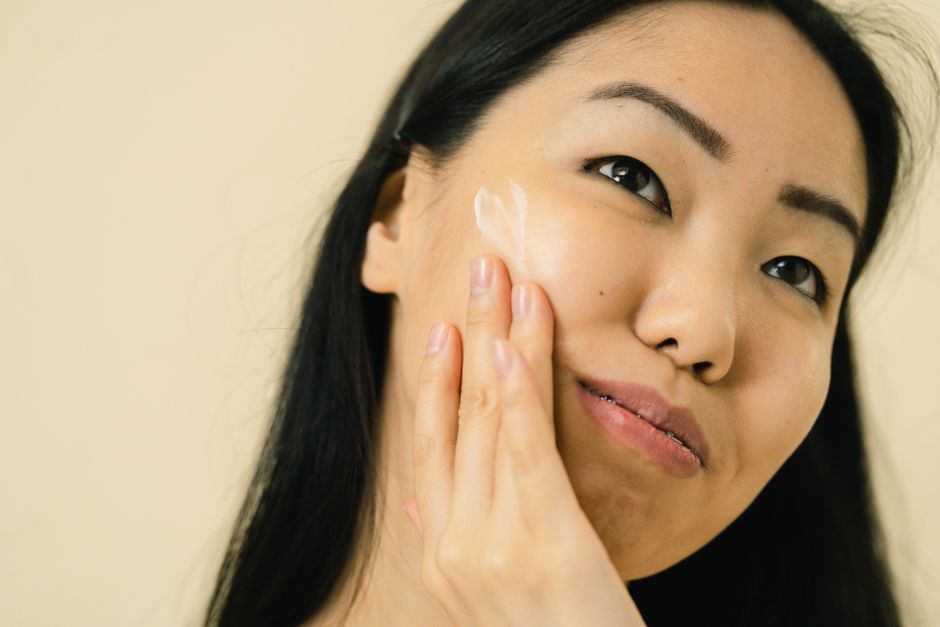
Choose a lotion or gel-cream for the first moisturising layer. Save dense balms for targeted dry patches or nighttime use. The best winter routine leaves a thin, flexible film instead of a heavy coating that the next product has to disturb.
Compare textures before adding another product
| Texture | Best use | Pilling risk | Clear recommendation |
|---|---|---|---|
| Water gel | Oily or combination skin | Low, unless layered heavily | Use one thin layer under sunscreen |
| Light lotion | Normal to dry skin | Low to medium | Best everyday winter base |
| Gel-cream | Dehydrated skin | Medium when over-applied | Use a pea-sized amount and wait one minute |
| Rich cream | Very dry cheeks | Medium to high | Keep it on dry zones, not the entire face |
| Petrolatum balm | Cracked or irritated patches | High under makeup | Use at night or after sunscreen |
Why lighter is often better
Several light layers can look elegant in theory but create more chances for film-forming ingredients to clash. A lotion with glycerin, ceramides, or hyaluronic acid often gives enough comfort without leaving a thick surface. A balm works by slowing water loss, but it can also make sunscreen slide and makeup catch.
For dry skin, place the rich product only where the skin feels rough. Full-face occlusion is not a badge of a good winter routine.
What is a practical no-pilling routine for dry winter skin?
Verdict: use one hydrating step, one moisturiser, and sunscreen in the morning. For evening, add a richer cream only when the skin still feels tight. This simple structure beats a five-layer routine that leaves residue.
Morning routine with real product options
Start with clean, damp skin. Vanicream Daily Facial Moisturizer, 89 mL, is a strong choice for sensitive skin because it combines a light lotion texture with ceramides and hyaluronic acid. Apply a thin layer, wait about two minutes, then use sunscreen.
CeraVe PM Facial Moisturising Lotion, 89 mL, is another good winter base. Its niacinamide, hyaluronic acid, and ceramides suit normal to dry skin, but the amount matters. Use roughly one pump for the face and neck. More than that can leave a slippery film under sunscreen.
Evening routine for rough cheeks
Use La Roche-Posay Toleriane Double Repair Face Moisturizer, 75 mL, when you want a richer lotion with glycerin, niacinamide, and ceramide-3. For very reactive skin, Avène Tolérance Control Soothing Skin Recovery Cream, 40 mL, is the better pick because its short ingredient list keeps the routine simple.
Apply one product across the face, then add a pinhead-sized amount to each rough cheek. Do not layer both creams across the whole face. For dry patches that crack, The Ordinary 100% Plant-Derived Squalane can go over moisturiser at night, but start with one drop. The clear winner for a daytime no-pilling routine is Vanicream Daily Facial Moisturizer because its light finish leaves room for sunscreen.
What should you do when moisturiser starts pilling?

Most pilling can be fixed during the same routine. Stop rubbing first. Then identify the layer that is rolling instead of adding another product to cover it.
Should you wash everything off?
Not always. If the rolls are small and the skin feels comfortable, use clean, dry fingertips to gently lift them away. Press a damp cotton pad only over the affected area, let the skin settle, and apply a smaller amount of moisturiser. If the product feels sticky, hot, or irritating, rinse with lukewarm water and restart with one simple layer.
Which product should you remove first?
Remove the serum first if the routine includes several hydrating products. Serums often contain film-forming polymers that can roll when covered by cream. If the problem continues, test the moisturiser alone on one cheek and sunscreen alone on the other. This simple split-face test shows which product causes the friction.
Also check the basics: expired products, a dirty makeup sponge, rough exfoliation, and applying a full pump to a small face. Do not exfoliate immediately after pilling. That treats the symptom by stressing the skin.
When should you change your winter moisturiser?
Verdict: change the texture before changing the entire routine. If a thin layer still pills after proper pauses and gentle pressing for one week, the formula is a poor match for the products above it.
When a lighter product is the better purchase
Choose a lighter lotion if your forehead and nose become shiny, sunscreen slides, or makeup gathers around the mouth. CeraVe PM Facial Moisturising Lotion or Vanicream Daily Facial Moisturizer makes more sense than buying a heavy night cream for the entire face. Use the richer option only on areas that actually feel dry.
When not to buy another moisturiser
Do not buy a new cream when the real issue is over-cleansing, hot water, frequent exfoliation, or applying too many layers. Simplify for one week: gentle cleanser, one moisturiser, and sunscreen in the morning. If redness, burning, cracking, or persistent scaling continues, stop testing new actives and seek advice from a qualified dermatologist.
The cold-weather fix is not a taller stack of products. It is a thin first layer, a measured pause, and a final cream that suits the next step. That turns the familiar winter scene—a tight face covered in little rolls—into skin that feels comfortable and makeup that stays smooth.